
K-Culture World

Guides · 2026. 9. 6.

A Guide to Korean Culture and Trends Through Drama and Film

BY 김민중

A Guide to Korean Culture and Trends Through Drama and Film

Modern Daily Life and Culture in Dramas and Films

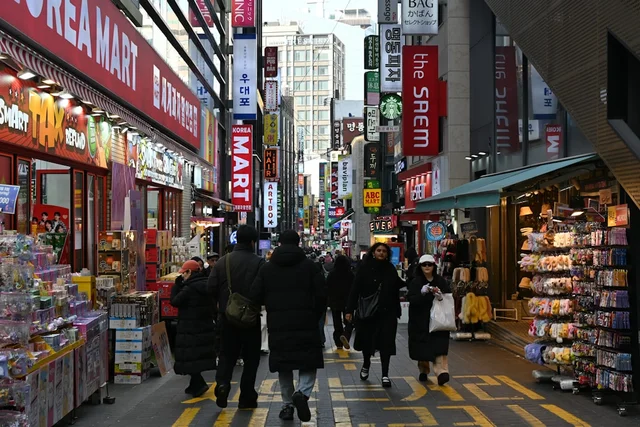
Korean dramas and films, which are enjoying worldwide popularity, are more than just entertainment; they are mirrors reflecting Korean daily life and culture. Through the screen, viewers naturally encounter various social aspects, such as dietary habits, fashion styles, and human relationships. These media contents serve as travel guides for those dreaming of visiting Korea and act as powerful catalysts that spark curiosity about specific places or foods.

  • Identifying seasonal Korean fashion trends through the protagonist's outfits
  • Analyzing the context and styling methods of specific brand products featured in the drama
  • Observing the harmony between modern office looks and casual daily wear

Korean Values Embedded in Storytelling

Korean media content frequently addresses family-centered culture, manners, and the conflicts and reconciliations between generations. These narratives show how traditional values in Korean society collide and coexist with rapidly changing modern values. For example, dining etiquette and the attitude toward elders are elements that well represent the Korean sense of community. Through these narratives, audiences can understand the deeper inner workings of Korean society, forming a foundation for cultural empathy beyond simple viewing. In particular, many recent works reflect values that prioritize women's social advancement and individual happiness, vividly conveying the changing landscape of Korean society.
K-Drama Fashion Items

SHOP THE LOOK: K-Drama Fashion Items

Food Culture and Culinary Experiences in Dramas and Films

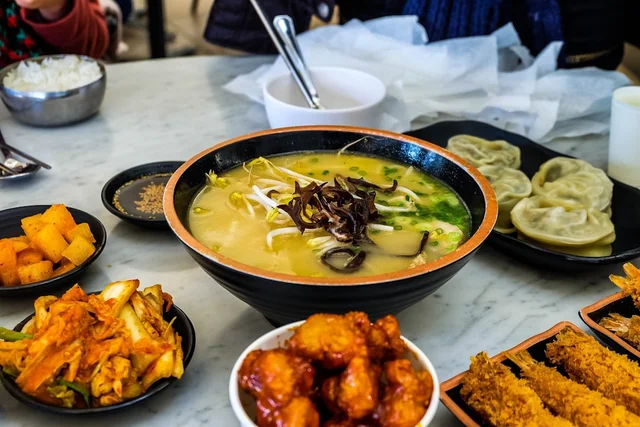
Food is an indispensable element in Korean dramas and films. The meals that characters share while sitting together symbolize the Korean concept of 'Jeong' (affection), stimulating a strong desire for culinary experiences among viewers. From simple instant ramen cooked at home to elaborately prepared traditional Korean table settings, the food on screen is a daily routine for Koreans but a special cultural experience for international viewers.

Characteristics of Key Foods in Content

  • Recipes for popular street food and home-cooked meals like Kimchi Stew and Tteokbokki
  • The meaning behind the combination of Samgyeopsal (pork belly) and Soju in the context of work-related social gatherings
  • The care and meaning behind seasonal health foods and holiday dishes

How to Incorporate Media Food into Daily Life

If you want to experience the food you saw in the media, we recommend first visiting a local Korean grocery store. Recently, many platforms have made it much easier to find Korean ingredients, making it simpler to follow recipes. You can fully enjoy Korean food culture by eating Kimchi and ramen just like the protagonists in a drama, or by hosting a Korean-style barbecue party with friends. Additionally, using meal kits or convenience foods that recreate Korean street food allows you to easily experience the taste of Korea without complex preparation. This culinary experience will be a special time to reflect on the emotions and memories felt while watching the content, going beyond just enjoying the taste.

K-Food Meal Kits

SHOP THE LOOK: K-Food Meal Kits

A Guide to Visiting Drama and Film Filming Locations

Many fans enjoy 'pilgrimages' to locations that served as the backdrop for their favorite dramas and films. From the glamorous city center of Seoul to provincial cities boasting beautiful natural landscapes, filming locations are places that showcase the diverse charms of Korea at a glance. Checking filming location information in advance and planning your route is the key to an enjoyable trip to Korea.

Preparation for Successful Filming Location Visits

  • Searching for key scenes and the names of locations from the work before visiting
  • Checking transportation routes using public transit and nearby amenities
  • Constructing a travel course by combining visits with hidden gems frequently visited by locals

Etiquette for Visiting Filming Locations

Most filming locations are actual residences or public spaces. Therefore, it is important to be careful not to infringe on privacy when taking photos and to follow basic public order, such as not littering. Also, if a specific place becomes famous, it can cause inconvenience to local residents, so it is necessary to observe quietly and support the local economy. This mature viewing culture helps ensure that Korea's beautiful locations are well-preserved for a long time. If you show a kind attitude toward locals you meet during your travels and demonstrate respect for Korean culture, your trip will be much richer and more meaningful. Feel as if you have become the protagonist of the work while visiting these locations, and leave behind your own special travel records.

Essential Travel Items

SHOP THE LOOK: Essential Travel Items

Frequently Asked Questions

How can I study Korean using dramas and films?+

Studying Korean using lines from dramas and films is very effective for learning actual conversational expressions. First, try watching short scenes you like repeatedly and mimic the actors' intonation and pronunciation. You can improve your vocabulary and understanding of sentence structures by alternating between Korean and English subtitles or by finding the script and reading it aloud. Consistent repetition is key.

How can I efficiently find drama and film filming locations?+

You can easily find filming locations by using the official website of the Korea Tourism Organization or the filming location tag function on social media. Searching for the title of a specific work and the keyword 'filming location' will show you visit reviews and directions shared by many fans. Also, saving locations on Google Maps allows you to manage your travel route efficiently for convenient movement and sightseeing.

I would like recommendations for Korean food frequently seen in dramas and films.+

Korean foods that frequently appear in dramas and films include Samgyeopsal, Tteokbokki, fried chicken, and Bibimbap. In particular, Samgyeopsal is often depicted as a symbol of work-related social gathering culture, and Tteokbokki is a 'soul food' for Koreans that can be enjoyed in various forms. If you are trying them for the first time, we recommend starting with Bibimbap or Bulgogi, which are the most popular menus in Korean restaurants. There are many meal kits available that allow you to easily recreate these flavors at home.

Share

Show us your style! Share with #kcultureworld on Instagram & TikTok.

About the author

김민중

Writes practical guides to Korean beauty and food for overseas readers — Olive Young, convenience stores, and how-to tips.

More from 김민중

Comments

No sign-up or login required.

No comments yet. Be the first to comment.