K-Culture World

Guides · 2026. 8. 5.

A Guide to Korean Culture and Trends Through Drama and Film

BY 김민중

A Guide to Korean Culture and Trends Through Drama and Film

An Introductory Guide to Watching Dramas and Films

Korean dramas and films, which are gaining global popularity, go beyond mere entertainment; they encapsulate the sentiments and social landscape of the Korean people. For those new to K-content, it is important to first understand the characteristics of different genres and their historical contexts. Korean content occupies a unique position by balancing fast-paced, emotionally driven dramas with films that offer critical perspectives on society.

Understanding Genre Characteristics

  • Romantic Comedy: The quintessential genre of Korean dramas, focusing on the narratives and delicate emotional shifts between the male and female leads.
  • Thriller and Noir: Highlights the tension-filled direction and plot twists that are the strengths of Korean cinema.
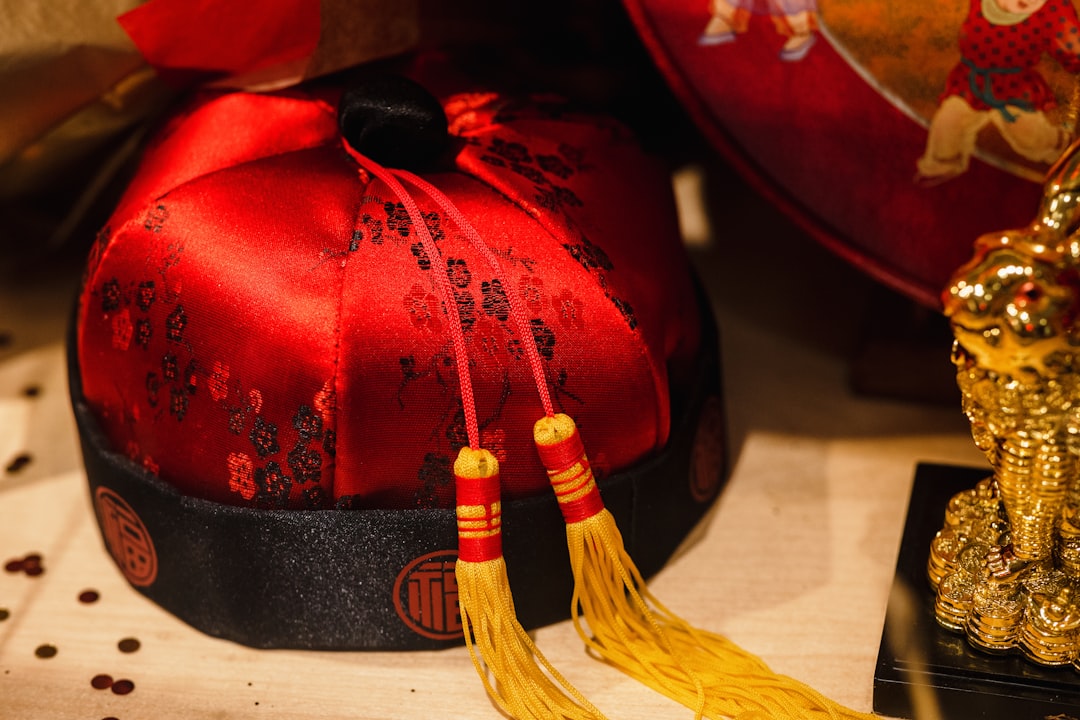
  • Historical Drama (Sageuk): Offers a glimpse into traditional Korean attire (Hanbok), classical architectural beauty, and narratives rooted in history.

Checklist Before You Watch

When choosing a title, the first things to consider are the production year and the platform. Works produced within the last five years are highly helpful for understanding contemporary Korea, as they reflect modern fashion, trendy interior design, and the latest technology. Additionally, following a specific actor's filmography is an efficient way to quickly find works that match your personal taste. Since dialogue often incorporates Korean etiquette or family culture, I recommend paying close attention to the cultural context provided through subtitles.
Understanding K-Food and Dining Culture in Dramas and Films

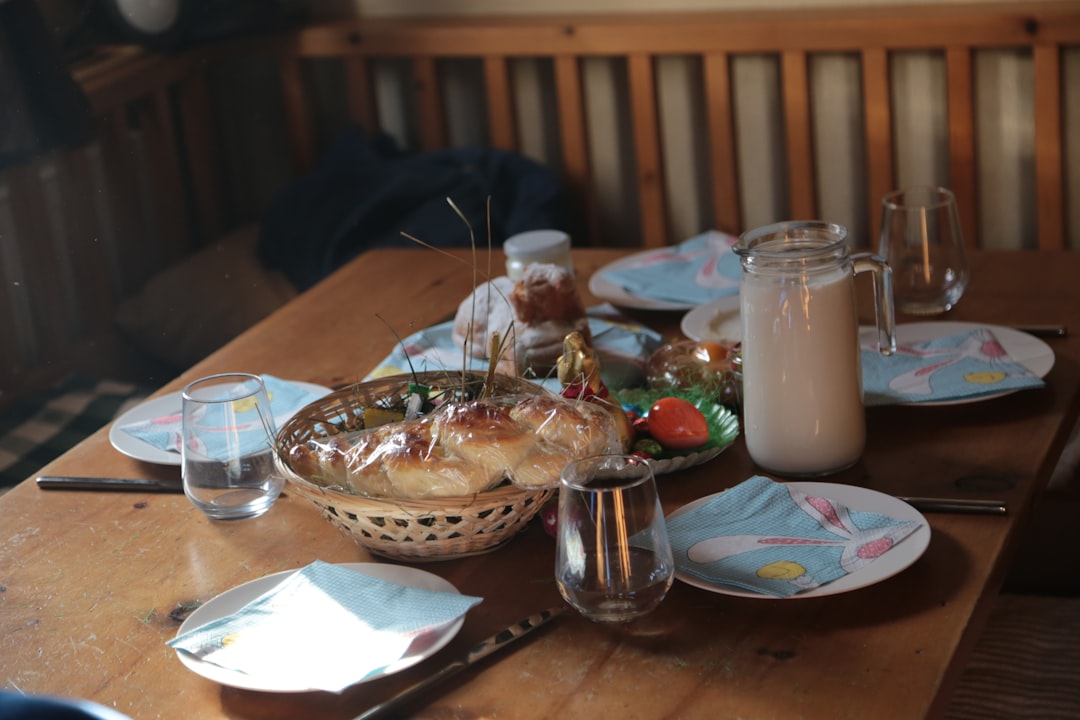
Food in dramas and films is not just a prop; it is frequently used as a medium to build relationships between characters. Korean dining culture values 'Jeong' (affection/connection) through sharing meals, which is well-represented in scenes featuring office team dinners or family meals. Recently, thanks to the global popularity of K-food, specific dishes featured in these works have gained worldwide attention.

  • Bunsik (Snack food): Tteokbokki and Gimbap are iconic Korean street foods, frequently seen in casual date scenes between protagonists.
  • Soup and Stews: Kimchi-jjigae or Doenjang-jjigae are essential household staples, often appearing in scenes where characters resolve conflicts or reconcile.
  • Late-night Snack Culture: The combination of fried chicken and beer (Chimaek) is a unique Korean late-night tradition and a staple in scenes featuring gatherings with friends.

Daily Life Through Dining Culture

Observing how characters eat can help you naturally learn about Korean etiquette. Practices such as waiting for the eldest to pick up their spoon first or sharing a communal stew are daily habits for Koreans, but they can be unfamiliar yet intriguing points for foreigners. By understanding these cultural backgrounds, you can gain a deeper interpretation of the distance or intimacy between characters intended by the director.

The styling of actors in dramas and films serves as an indicator that leads Korean beauty and fashion trends. The makeup of protagonists often emphasizes clear, natural-looking skin, which aligns with the core values of the actual Korean beauty industry. Furthermore, the actors' seasonal outfits and hairstyles are important clues to the styles currently favored by the Korean public.

Key Points of Beauty Styling

  • Natural Makeup: Characterized by subtle tones and a dewy skin finish, this is the beauty style that Korean women pursue in their daily lives.
  • Hair Trends: Perms and hair colors change according to the character's personality, often becoming the most requested styles at Korean hair salons.

Analyzing Characters Through Fashion

Clothing is a visual device that instantly conveys a character's profession, personality, and economic status. Office dramas typically feature 'office looks' with clean suits and shirts, while daily-life dramas lean toward comfortable yet sophisticated 'athleisure' or 'effortlessly chic' (Kku-an-kku) styles. These fashion choices often become viral topics on social media long after the show ends, significantly influencing how viewers consume the latest Korean fashion.

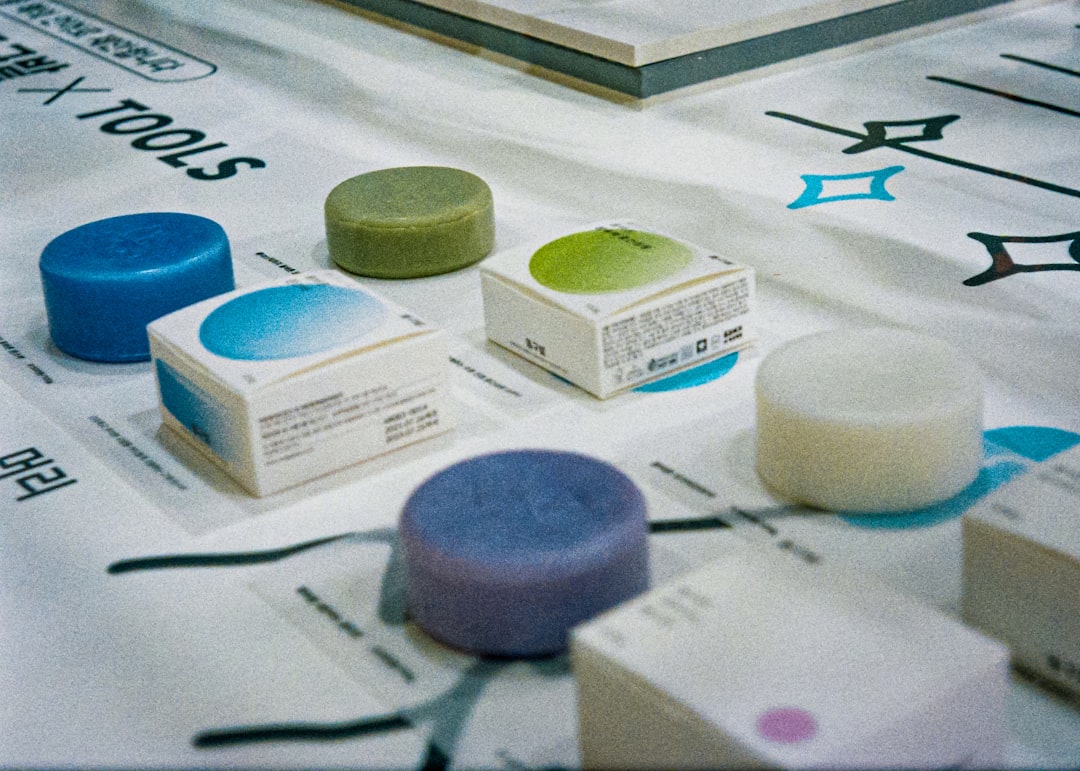
K-Beauty Skincare Sets

SHOP THE LOOK: K-Beauty Skincare Sets

Frequently Asked Questions

What are the criteria for choosing a drama or film for beginners?+

The most important thing when choosing a drama or film is to match your personal taste with your areas of interest in Korean culture. If you prefer romance, try watching a popular recent romantic comedy; if you want to understand the social atmosphere of Korea, start with a critically acclaimed thriller. Checking the popularity rankings on OTT platforms like Netflix or Disney+ is also a great method.

Where can I find information about Korean food seen in dramas and films?+

You can find detailed information about Korean food featured in dramas and films through K-Culture World's content or specialized Korean food websites. Most menus enjoyed by protagonists are dishes that Koreans eat regularly; searching for recipes or restaurant information can lead to a deeper understanding of Korean food culture.

How can I replicate the makeup styles of actors seen in dramas and films?+

The makeup style of actors in dramas and films can be defined as 'natural makeup,' where the key is to build a solid skincare foundation to bring out a natural inner glow. Utilizing base makeup products from Korean beauty brands to even out your skin tone and adding a natural point with lip products is the most effective approach. For specific product information, check the official sponsor list of the drama or refer to beauty communities.

Share

Show us your style! Share with #kcultureworld on Instagram & TikTok.

About the author

김민중

Writes practical guides to Korean beauty and food for overseas readers — Olive Young, convenience stores, and how-to tips.

More from 김민중

Comments

No sign-up or login required.

No comments yet. Be the first to comment.