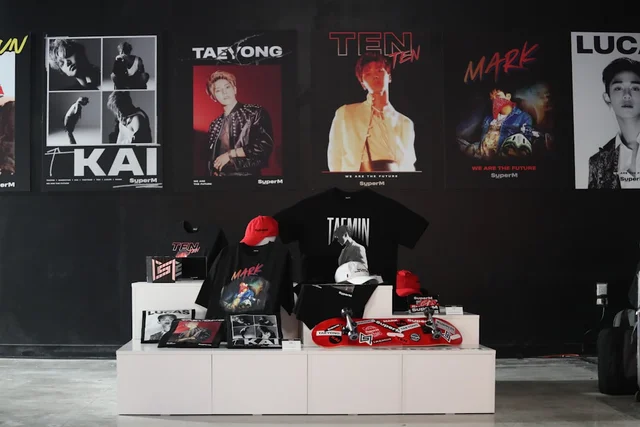
How K-Pop Became a Global Phenomenon
K-Pop is a unique genre that emerged in the early 1990s as Korean popular music combined with modern production systems. It is a comprehensive art form that transcends mere listening, integrating visual performances and elaborate stage production, which has led to its massive global popularity today. The development of digital platforms and the spread of social media were pivotal moments that allowed this genre to spread rapidly across borders.
Major Stages of K-Pop Development
- 1st Generation Idols: Establishment of the agency system and the birth of idol culture
- 2nd Generation Idols: Expansion into Asian markets and the beginning of the Hallyu (Korean Wave) boom
- 3rd and 4th Generation Idols: Targeting the global market using digital platforms
Industrial Success Factors
The Korean entertainment industry operates with a highly systematic process, from artist selection and training to music production and marketing. The trainee system ensures that artists are thoroughly prepared in singing, dancing, foreign languages, and character building before debut, resulting in high-quality output. Furthermore, a culture that prioritizes close communication with fans has become the driving force behind the formation of powerful fandoms. Musically, K-Pop reinterprets diverse genres like pop, hip-hop, and R&B with a distinct Korean sensibility to create an original sound, while vibrant music videos and intricate choreography—often called 'knife-like' synchronization—maximize visual enjoyment.