Everyday Korean Culture Hidden in Dramas and Films
Korean drama and film content, loved globally, is more than just entertainment; it acts as a mirror reflecting facets of Korean society. Through these works, viewers naturally learn about Korean daily eating habits, housing styles, and the subtle emotions of human relationships. In particular, the unique Korean concept of 'Jeong' (affection/attachment) and methods of intergenerational communication are elements that spark fresh interest for many international viewers.
Reading Korean Food Culture in Media
In Korean video content, food is not merely a prop but a key medium that forms relationships between characters. Scenes of sharing stews or soups symbolize a sense of community and intimacy for Koreans. If you are curious about a menu item you saw while watching, refer to the following:
- Snack bar (Bunsik) menu: Tteokbokki, gimbap, and ramyeon are soul foods and common daily snacks for Koreans.
- Dining etiquette: The sight of waiting for an elder to pick up their spoon first reflects Korea's culture of politeness.
- Delivery culture: Korea's highly developed delivery system is frequently depicted in dramas through scenes of characters enjoying late-night snacks.
Housing Environments and Interior Trends
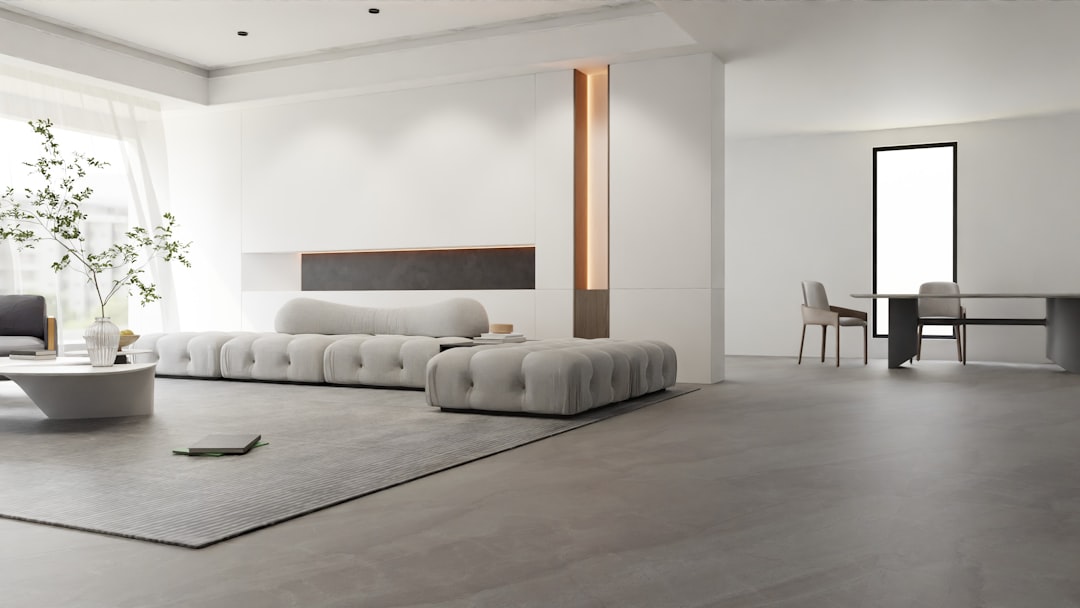
The interiors of apartments and villas featured in dramas reflect the modern Korean lifestyle. In particular, the living room-centered layout and neat storage methods are areas that receive as much attention as Korean beauty and fashion. Korean-style interiors, which utilize space efficiently, are characterized by a pursuit of both minimalism and practicality. By carefully observing the backgrounds in the videos, you can easily identify modern Korean housing trends.