K-Culture World

Guides · 2026. 9. 4.

A Guide to Korean Culture and Trends Through Drama and Film

BY 김민중

A Guide to Korean Culture and Trends Through Drama and Film

Understanding Daily Life in Korea Through Drama and Film

Korean drama and film content, which has recently gained immense global popularity, serves as more than just entertainment; it is an important medium that reveals the lives and mindsets of the Korean people. The Korea seen through these contents is closely connected to the daily lives of actual locals, allowing viewers to observe the changes within Korean society.

Korean Lifestyle in Content

  • Housing Culture: The apartment-centered residential environment and the culture of taking off shoes indoors are naturally depicted.
  • Public Transportation: You can observe the urban landscape of Korea, where public transportation systems such as subways and buses are highly developed.
  • Delivery Culture: Korea's unique food delivery culture is a key element frequently appearing in late-night snack scenes in dramas.

Reading the Values of Korean Society

When watching content, paying attention to relationships and etiquette between characters reveals how Confucian traditions and modern values harmonize in Korean society. For example, manners toward elders or workplace hierarchies are important clues for understanding Korean organizational culture. Furthermore, recent productions sophisticatedly address the conflicts between these traditional values and individual self-realization, resonating deeply with viewers. Understanding these trends adds a new layer of depth to your viewing experience.


K-Drama Essentials

SHOP THE LOOK: K-Drama Essentials

the makeup and hairstyles of protagonists in dramas and films often serve as indicators that lead the beauty trends of the era. Korean video content features advanced lighting and filming techniques that highlight the actors' skin, naturally sparking interest in K-Beauty among viewers.

Characteristics of Natural Makeup

  • Transparent Skin: Base makeup that is not thick but highlights the natural texture of the skin is the mainstream.
  • Use of Point Colors: Adding natural hues to the lips or eyes creates a vibrant impression.
  • Hair Styling: Neat and sophisticated hair styling that harmonizes with the overall outfit is essential.

Rather than simply copying the makeup of characters, it is important to adapt it to your own skin tone and face shape. Korean beauty products are highly segmented by function; using basic product lines like ampoules and moisturizing creams favored by actors in dramas is a great way to build a healthy skin foundation. Recently, skincare-focused beauty looks that emphasize skin health over heavy color cosmetics have become a major trend. Identifying these trends and finding your own style is another way to enjoy Korean beauty culture.

Exploring the Charm of K-Food and Dining Culture

In Korean dramas and films, food is not just a prop but an important device used to connect emotions between characters or explain a situation. It is natural for curiosity about K-Food to arise while watching, which often leads to a desire to experience Korean cuisine firsthand.

Representative K-Food Seen on Screen

  • Bunsik (Snacks): Tteokbokki, gimbap, and eomuk (fish cake) are Korean soul foods that frequently appear in dramas.
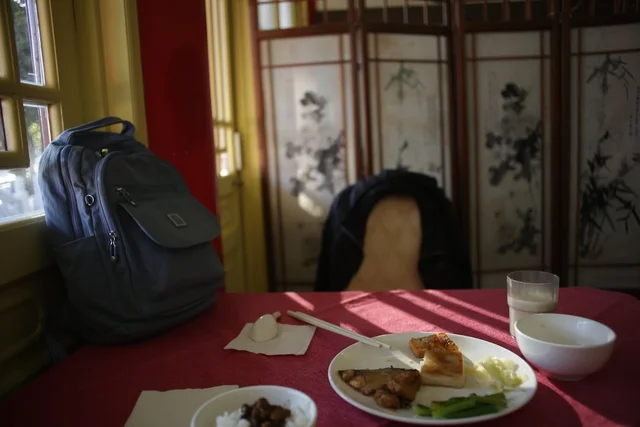
  • Han-sik Table Settings: A table neatly set with stew, kimchi, and various side dishes demonstrates Korean dining etiquette.
  • Street Food: Food enjoyed at markets or street stalls conveys the vibrant energy of Korea.

Tips for Enjoying Korean Food Culture

Scenes where actors eat food with gusto stimulate the viewer's appetite. If you want to try cooking Korean food at home, I recommend starting with simple dishes using fermented foods like kimchi. Since Korean food values the freshness of ingredients and the sincerity of the cooking process, having basic seasonings (gochujang, soy sauce, doenjang) is enough to achieve an authentic Korean taste. Additionally, the Korean dining culture of sitting together and sharing food creates a sense of warmth that goes beyond the meal itself. By understanding this cultural background, you can experience the deeper flavors of Korea.

DIY K-Food Kits

SHOP THE LOOK: DIY K-Food Kits

Frequently Asked Questions

How can I gain a deeper understanding of Korean culture in dramas and films?+

To gain a deeper understanding, it is recommended to focus on the daily behavioral patterns and social context of the Koreans appearing in the works. Beyond just following the plot, observe the nuances of the language used, dining etiquette, and housing types. These elements are important clues that show how traditional values and modern lifestyles coexist in Korean society.

What are the K-Beauty items frequently seen in dramas and films?+

K-Beauty items used by actors in dramas and films are mainly basic skincare products and light color cosmetics that emphasize natural, healthy skin. In particular, highly moisturizing ampoules, cushion compacts that brighten skin tone, and tints that add vibrancy to the lips appear frequently. These products are based on Korea's advanced cosmetic technology and are excellent for creating a transparent skin look.

What do you recommend if I want to try Korean food seen in dramas and films?+

If you are trying Korean food for the first time, we highly recommend starting with popular 'Bunsik' (snack foods) like tteokbokki or gimbap. Tteokbokki is a representative dish where you can best taste the spicy-sweet flavor of gochujang, and gimbap is a convenient yet nutritious dish made with various ingredients. If you want a more authentic Korean meal, try dishes that are relatively easy to make at home, such as kimchi stew or bibimbap, to experience the true taste of Korea.

Share

Show us your style! Share with #kcultureworld on Instagram & TikTok.

About the author

김민중

Writes practical guides to Korean beauty and food for overseas readers — Olive Young, convenience stores, and how-to tips.

More from 김민중

Comments

No sign-up or login required.

No comments yet. Be the first to comment.