K-Culture World

Guides · 2026. 9. 5.

Understanding and Appreciating Korean Culture Through Drama and Film

BY 김민중

Understanding and Appreciating Korean Culture Through Drama and Film

How to Start Watching Korean Dramas and Films

In the global market, Korean drama and film genres have recently secured a unique position. This is because they go beyond mere interesting narratives to capture the unique sentiments and social context of Korea. For viewers new to Korean content, it is important to first understand the characteristics of each genre and their historical backgrounds.

Understanding Genre Characteristics

  • Romantic Comedy: Deals with Korean social views on dating and workplace culture in a light and cheerful way.
  • Historical Drama (Sageuk): Offers a visually spectacular experience of traditional Korean clothing, etiquette, and historical events.
  • Thriller and Social Commentary: Provides sharp insights into the structural problems of modern Korean society and human psychology.

Pre-Viewing Checklist

When choosing a Korean drama or film, it is helpful to check the reputation of the production company or the filmography of the lead actors. Additionally, because Korean content often features a fast pace and high emotional intensity, adding a bit of background knowledge to your subtitles can lead to a much deeper immersion. In modern dramas, elements like Korea's apartment living or delivery food culture appear frequently; paying attention to these everyday details will help you understand the characters' lives more realistically. Once you understand the unique language of each genre, you will discover the true charm of Korean content.
Exploring Korean Food and Culture in Dramas and Films

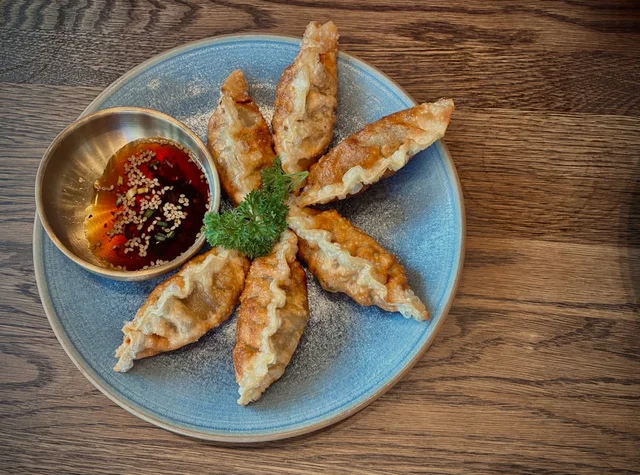
In many Korean dramas and films, scenes where characters share food are essential. This is because in Korean culture, a 'meal' is more than just nutrition; it is an important means of communication to share affection and confirm relationships.

Key Food Culture in Media

  • Hoesik (Work Dinner) Culture: Scenes where colleagues build camaraderie while enjoying pork belly and soju together.
  • Street Food: Tteokbokki, fish cakes (eomuk), and bungeoppang (fish-shaped pastry) are iconic snacks that symbolize the memories and daily lives of Koreans.
  • Home-style Meals (Baekban): The sight of families sitting together to share soup and side dishes highlights Korean familial love.

Understanding the Cultural Context

Pay attention to how food is presented in the work. For example, treating someone to a meal or giving them homemade side dishes is a Korean way of showing deep consideration and care for others. These minor scenes accumulate to complete the narrative of the entire work. Furthermore, seasonal foods or holiday dishes reflect Korea's passage of time and perspective on nature. If you watch with an understanding of these culinary details, which may be unfamiliar to international viewers, it will be a valuable time to glimpse the philosophy of Korean life beyond mere visual entertainment.

A Guide to Visiting Drama and Film Filming Locations

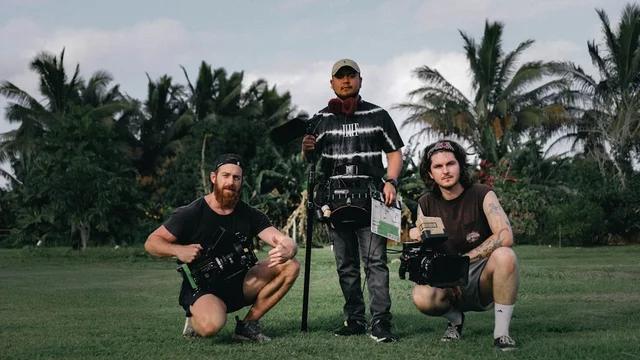
Visiting the places that served as the backdrop for your favorite dramas or films is one of the most active ways to enjoy K-Culture. Across Korea, filming locations that preserve the emotions of the works are waiting for travelers.

Preparing for a Filming Location Tour

  • Preliminary Research: Check in advance which scenes were filmed at the locations you intend to visit.
  • Plan Your Route: Filming locations are often found not only in major cities but also against the backdrop of beautiful natural landscapes in rural areas.
  • Observe Etiquette: Most filming locations are spaces where local residents live or operate businesses, so you must follow basic manners such as avoiding noise and not littering.

Seoul's royal palaces and traditional markets are frequently used as sets for historical dramas, while forests of modern buildings serve as stages for urban-style romantic dramas. While it is fun to take photos as if you were the main character, I recommend also taking the time to feel the history and value of the place itself. Spaces in Korean dramas and films create a unique atmosphere where modernity and tradition coexist. Walking through these locations and sharing the emotions the characters felt will become an unforgettable memory of your trip to Korea. If you also visit hidden spots favored by locals, you can have an even richer travel experience.

Frequently Asked Questions

What Korean works do you recommend for beginners?+

For beginners, we recommend starting with Netflix original series that have gained massive global popularity or high-rated romantic comedies. There are many works where you can feel the modern urban atmosphere of Korea and warm humanism at the same time, which are also very suitable for learning language and culture through subtitles.

What Korean etiquette is frequently seen in dramas and films?+

The core of Korean etiquette in dramas and films is 'respect' and 'sharing.' Scenes like turning one's head away to drink in front of an elder or giving and receiving items with two hands are examples of how Korean Confucian traditions are integrated into daily life. Understanding these etiquettes makes the relationships and conflict structures between characters much clearer.

Where can I find Korean drama and film filming locations?+

You can easily find filming locations through the official website of the Korea Tourism Organization or the 'pilgrimage' boards on various travel communities. Recently, various map services have been provided that organize information on filming locations for popular works, so it is a good idea to search for the latest information and plan your route before visiting.

Share

Show us your style! Share with #kcultureworld on Instagram & TikTok.

About the author

김민중

Writes practical guides to Korean beauty and food for overseas readers — Olive Young, convenience stores, and how-to tips.

More from 김민중

Comments

No sign-up or login required.

No comments yet. Be the first to comment.