3 Ways to Read Korean Culture in Dramas and Films
Korean drama and film content, loved globally, goes beyond mere entertainment; it reflects the social context and sensibilities of Korea. When watching, focusing on the background locations and character props rather than just the plot allows for a much richer experience.
Character Relationships and Korean Etiquette
- Differences in Honorifics: Observe the changes in titles and honorifics, which reveal the hierarchy and relationships in Korean society.
- Dining Etiquette: Meal scenes in Korean dramas are key devices used to illustrate the bond between family members.
- Formal vs. Informal Language: You can understand the depth of the narrative through the linguistic tools used to signify the emotional distance between characters.
Korean Cities and Spaces as Backgrounds
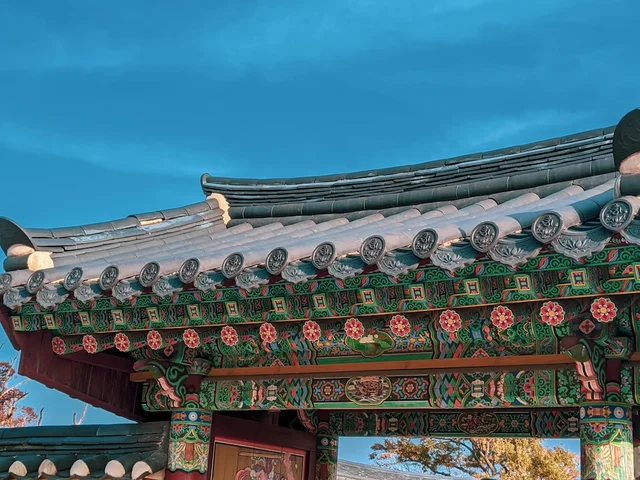
Korean dramas and films feature diverse spaces, from the glamorous downtown of Seoul to quiet rural villages. Recently, many works have captured traditional Korean houses (Hanok) or modern cafe streets with a sensory touch, maximizing visual pleasure. Visiting filming locations is one of the best ways to experience K-culture, and using filming location maps provided by local governments can help you plan an efficient trip. Additionally, the restaurants and cafes seen on screen reflect the latest culinary trends in Korea, so we recommend noting these spots for your future visits.