What is the philosophical background of Korean culture and tradition
Korean culture and tradition began with the wisdom of our ancestors who sought to live in harmony with nature. Korean culture does not stop at simply preserving artifacts of the past; it embodies philosophical contemplation on how humans should live as a part of nature. This spirit is deeply embedded in all aspects of life, including architecture, food, and art.
Architectural aesthetics that coexist with nature
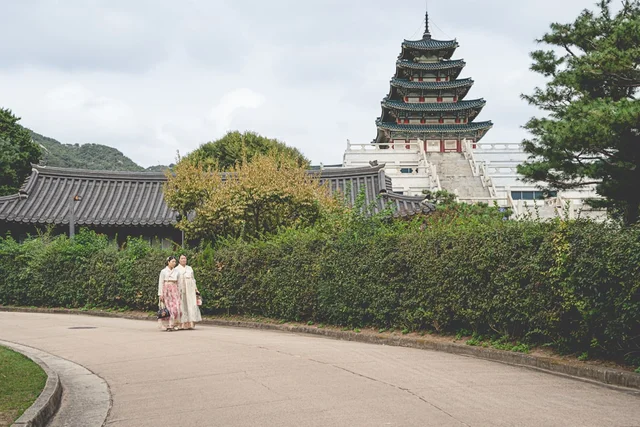
- Placement that respects the terrain: A method of arranging buildings naturally without disrupting mountains or rivers.
- Breathability and Ondol: Designing spaces that are cool in the summer and warm in the winter, tailored to Korea's climate.
- Purity of materials: Maximizing the comfort of a space by utilizing natural materials such as wood, stone, and earth in their raw state.
The aesthetics of harmony and restraint
Korean art and lifestyle value the beauty of empty space (yeobaek-ui mi) that is not overstated. This is connected to a philosophical attitude of filling more by emptying. This aesthetic of restraint can be found in the ceramics and furniture used in daily life, which aligns with the minimalism of modern Korean design. An attitude that focuses on the essence rather than ostentation can be considered a core value of Korean culture.