K-Culture World

Guides · 2026. 8. 23.

4 Key Guides to Understanding Korean Culture and Tradition

BY 김민중

4 Key Guides to Understanding Korean Culture and Tradition

Etiquette and Values at the Heart of Korean Culture and Tradition

Korean culture and tradition have long been shaped by Confucian values. In a society that prioritizes interpersonal relationships, etiquette is more than just formality; it is the most fundamental way to show respect for others. In particular, the culture of respecting elders and observing proper conduct remains an important virtue in modern Korean society.

Etiquette Culture Based on Mutual Respect

  • When interacting with elders, use both hands and bow your head to show respect.
  • At the dining table, it is customary to wait for the eldest person to pick up their spoon before you begin eating.
  • During conversation, use the other person's professional title or appropriate honorifics to express courtesy.

Relationship-Centered Communication

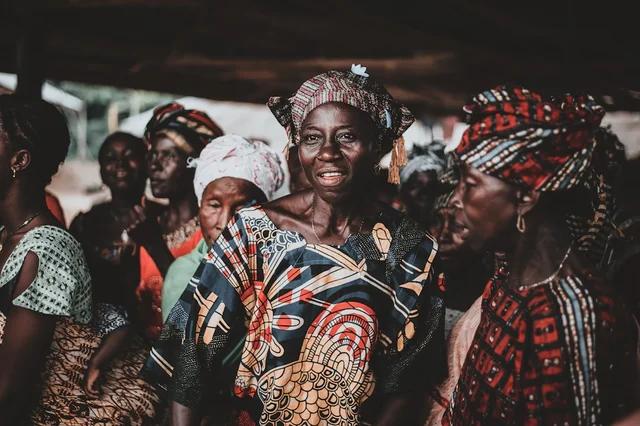
Koreans place great importance on a sense of community and share a unique sentiment called 'Jeong' (affection), which involves checking in on one another. This manifests during the process of building bonds; even when meeting for the first time, asking about someone's age or whether they have eaten is accepted as a sign of friendliness. This culture has been the driving force behind the community cohesion that has allowed Korean society to endure rapid change. Etiquette is not an outdated formality, but a wise social agreement that allows Koreans to live in harmony with others.
Fermentation and Harmony: The Core of Korean Food Culture and Tradition

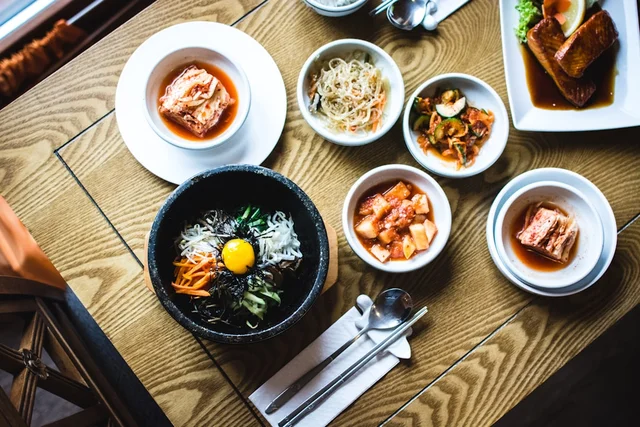
Korean food culture and tradition begin with a nature-friendly approach that brings the changing seasons to the dining table. Ancestors used seasonal ingredients to balance nutrition and employed fermentation techniques to preserve food for long periods while drawing out deep flavors. Fermented foods, represented by kimchi, doenjang (soybean paste), and ganjang (soy sauce), are essential elements of the Korean diet and are scientifically recognized for their excellence.

The World of Deep Flavors Created by Fermentation

  • Kimchi is a representative fermented food rich in probiotics, with unique variations in every region.
  • Jang (sauces) are the fundamental seasonings of Korean cuisine made by fermenting soybeans, providing a deep, savory umami.
  • Namul (seasoned vegetable) dishes are prepared by blanching and seasoning fresh seasonal vegetables to highlight their natural flavors.

Harmonious Diet Utilizing the Five Cardinal Colors

Korean food is not merely a means to satisfy hunger; it pursues both visual beauty and nutritional balance by utilizing the five cardinal colors (blue, red, yellow, white, and black). Dishes like bibimbap or gujeolpan (platter of nine delicacies) exemplify the Korean philosophy of blending various ingredients to create a single, harmonious flavor. This culinary culture offers great inspiration to modern people seeking a healthy lifestyle and is considered one of the most attractive cultural experiences for visitors to Korea.

The Beauty and Modern Adaptation of Korean Clothing Culture and Tradition

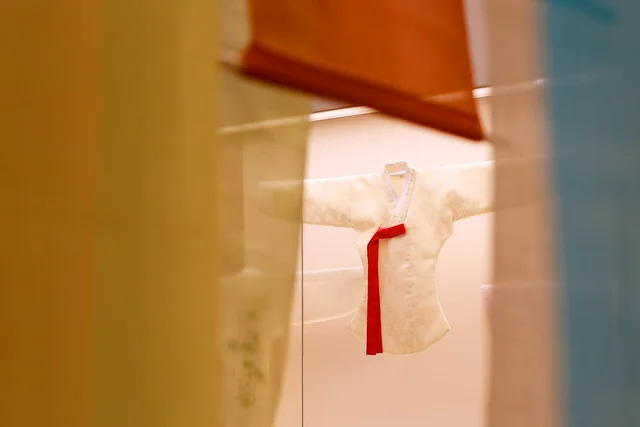
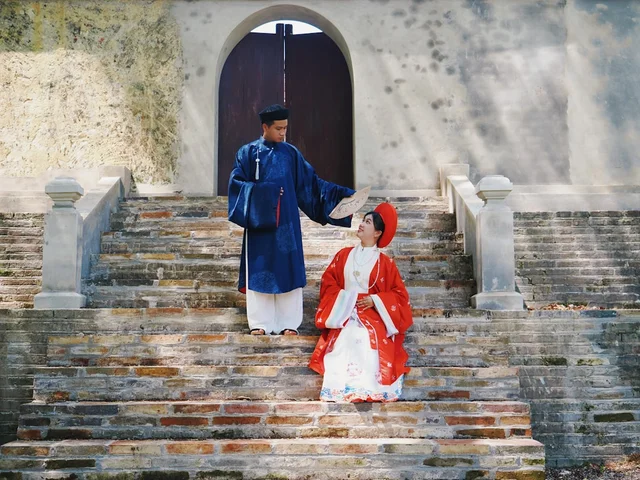
Hanbok, the traditional clothing of Korea, is the most visually recognizable symbol of Korean culture and tradition. Hanbok is characterized by its harmony of straight and curved lines, offering both comfort and an elegant silhouette when worn. While the materials and colors of the garments were strictly distinguished by social status and season in the past, they have now become fashion items that can be enjoyed in daily life.

Structure and Features of Hanbok

  • The Jeogori refers to the upper garment, where the lines of the collar and the dongjeong (white collar band) accentuate the face.
  • The skirts and trousers are designed with generous room for activity, providing excellent comfort.
  • The goreum (ribbons) serve to secure the garment while simultaneously providing a decorative effect.

Reinterpretation of Hanbok Combined with Modern Fashion

Recently, 'modern Hanbok' (saenghwal hanbok), which adds contemporary materials or patterns to traditional designs, has gained significant popularity. This reflects a movement to enjoy tradition as a living, ongoing culture rather than a preserved relic of history. The unique aesthetic sense of Hanbok is drawing attention from the international fashion world, and traditional Korean colors and patterns are serving as inspiration for various designs. Taking a stroll through ancient palaces while wearing Hanbok is one of the most direct ways to experience Korean tradition.

Modern Style Hanbok

SHOP THE LOOK: Modern Style Hanbok

Frequently Asked Questions

What is Korean culture and tradition?+

Korean culture and tradition encompass the lifestyle, etiquette, food, and arts of the Korean people, which have been formed over thousands of years of history. It goes beyond merely preserving relics of the past; it remains deeply rooted in the mindset and daily lives of Koreans today, serving as a value system that prioritizes community spirit and harmony.

How can I better understand Korean culture and tradition?+

To gain a deeper understanding of Korean culture and tradition, it is helpful to explore the customs of Korean holidays like Seollal (Lunar New Year) or Chuseok (Korean Thanksgiving). Additionally, visiting ancient palaces to appreciate the beauty of traditional architecture, or experiencing seasonal foods and fermented products at traditional markets, will greatly help in understanding the lives and spirit of the Korean people.

What traditional Korean experiences do you recommend for foreigners?+

The most popular traditional experience for foreigners is strolling through Seoul's ancient palaces while wearing a Hanbok. Beyond that, taking a kimchi-making class, experiencing a traditional tea ceremony, or participating in a temple stay at a Buddhist temple are very meaningful ways to systematically learn about the quiet beauty and etiquette of Korean culture.

Share

Show us your style! Share with #kcultureworld on Instagram & TikTok.

About the author

김민중

Writes practical guides to Korean beauty and food for overseas readers — Olive Young, convenience stores, and how-to tips.

More from 김민중

Related Posts

A Guide to Understanding and Enjoying the Korean Music Industry for K-Pop Beginners

Guides · 08/23/26

A Guide to Korean Culture and Trends Through Dramas and Movies

Dramas and movies are the fastest and most vivid mediums for conveying Korean culture. This guide provides a detailed look at how to interpret the context of Korean fashion, beauty, and food culture through K-content and apply it to your daily life. It is prepared for those who wish to go beyond simple viewing and gain a deeper understanding of the Korean sentiment.

Comments

No sign-up or login required.

No comments yet. Be the first to comment.