K-Culture World

Guides · 2026. 8. 7.

4 Essential Guides to Understanding Korean Culture and Traditions

BY 김민중

4 Essential Guides to Understanding Korean Culture and Traditions

What is the Significance of Korean Culture and Traditions in Modern Society

Korean culture and traditions are not merely relics of the past; they are deeply embedded in the daily lives of modern people, shaping a unique lifestyle. The Confucian values and sense of community formed throughout long history still serve as important standards for etiquette and interpersonal relationships in Korean society today.

The Aesthetics of Etiquette and Respect

  • Showing respect and courtesy to elders is a core aspect of Korean culture and traditions.
  • The consideration for others shown in dining etiquette and conversation styles is deeply connected to the unique Korean concept of 'Jeong' (affection).
  • In modern society, these traditional manners have evolved and are now applied as digital-age etiquette.

Modern Inheritance of the Community Spirit

  • Traditional forms of cooperation like 'Dure' (communal labor) and 'Pumasi' (labor exchange) have evolved into today's teamwork and organizational culture.
  • Sharing food during holidays or family events serves as a precious opportunity to reaffirm community bonds in an era dominated by individualism.
  • These traditions play a vital role in providing psychological stability in the rapidly changing Korean society.

Understanding Korean Seasonal Customs and Traditions Through Holidays

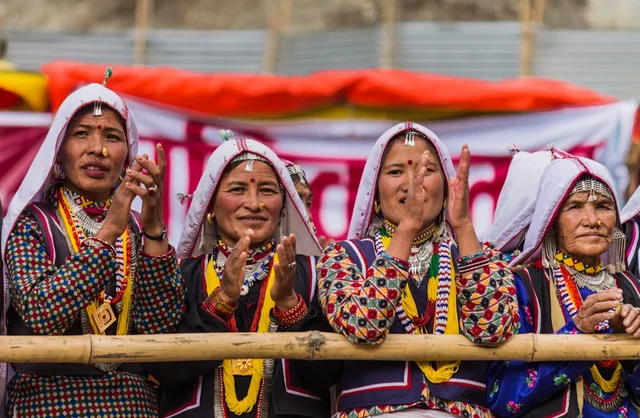
Korean holidays are important venues for culture and traditions where people express gratitude to nature and honor their ancestors in line with the changing seasons. Major holidays like Seollal (Lunar New Year) and Chuseok (Korean Thanksgiving) are significant events where families gather to share affection and enjoy traditional foods, serving as a time to reaffirm Korean identity.

Characteristics of Seollal and Chuseok

  • Seollal marks the beginning of the year, involving ancestral rites and eating Tteokguk (rice cake soup), which symbolizes growing one year older.
  • Chuseok is a harvest festival where people express gratitude to ancestors and share songpyeon (half-moon rice cakes).
  • Wearing Hanbok and enjoying traditional games have become important cultural symbols that promote the beauty of Korea to the world.

Educational Value of Seasonal Customs

  • Traditional folk games passed down through generations, such as Yutnori and Ganggangsullae, contain educational value that goes beyond simple play, teaching cooperation and community spirit.
  • While these holiday scenes have become simplified in modern times, the essential values of honoring ancestors and confirming family love continue to be upheld.
  • Various festivals and events that reinterpret traditional customs with a modern sensibility are held across the country, making it easy for anyone to participate.

Deep Dive into Korean Culture and Traditions Through Food

Korean food culture boasts unique traditions that combine fermentation science with nature-friendly ingredients. Dishes like Kimchi, various Jang (sauces), and Bibimbap have become globally recognized healthy foods, which are products of the wisdom Koreans have used to live in harmony with nature.

The Science of Fermented Foods

  • Fermented foods such as Kimchi, Doenjang (soybean paste), and Ganjang (soy sauce) are the staples of the Korean table, renowned for long-term preservation techniques and healthy nutritional content.
  • The culture of storage foods, which developed to overcome Korea's distinct four-season climate, has enriched the Korean diet.
  • Beneficial bacteria created during the fermentation process promote health and perfectly align with modern well-being trends.

The Philosophy of Table Setting

  • Korean table setting emphasizes the harmonious arrangement of the five colors (Osaek) based on the principles of Eum-Yang and the Five Elements.
  • A meal structure consisting of rice and soup accompanied by various side dishes provides a nutritionally balanced diet.
  • Within the Korean culture and tradition that values eating together, the dining table functions as a space for communication and harmony, going beyond simply satisfying hunger.

Frequently Asked Questions

What exactly do culture and traditions mean?+

Culture and traditions refer to the unique lifestyles, values, arts, and customs that a people have formed and shared throughout their long history. In the case of Korea, etiquette based on Confucian teachings, seasonal customs, and a unique food culture centered on fermentation are core elements that form the foundation of Korean social identity.

How can I practice culture and traditions in modern society?+

Practicing culture and traditions does not require grand gestures. You can start by reflecting on the meaning of holidays while sharing food with family or applying traditional Korean etiquette to daily interpersonal relationships. Additionally, it is important to enjoy our culture in everyday life, such as by attending traditional art performances or wearing modern reinterpretations of traditional clothing like Hanbok.

What Korean culture and tradition experiences do you recommend for foreigners?+

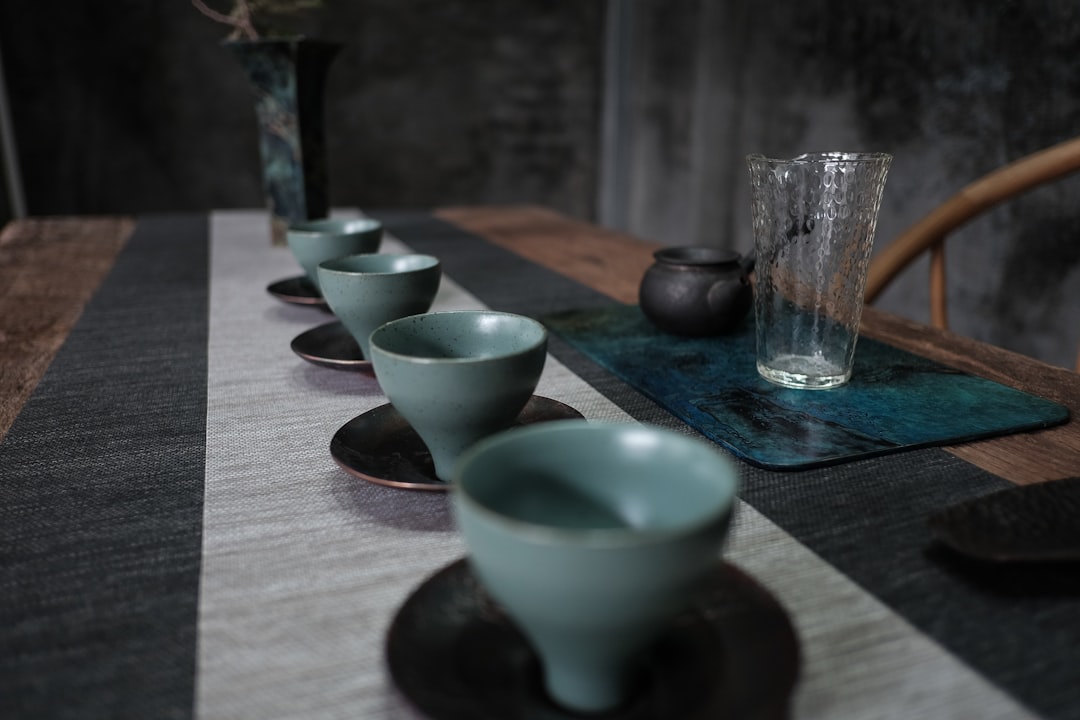
For foreigners, palace tours and Hanbok wearing experiences are the most popular. You can appreciate traditional Korean architectural beauty at palaces like Gyeongbokgung and feel the beauty of Korea firsthand by taking photos while wearing a Hanbok. Also, programs that experience Korean food culture, such as making Kimchi or participating in a traditional tea ceremony, are very helpful for gaining a deeper understanding of Korea.

Share

Show us your style! Share with #kcultureworld on Instagram & TikTok.

About the author

김민중

Writes practical guides to Korean beauty and food for overseas readers — Olive Young, convenience stores, and how-to tips.

More from 김민중

Related Posts

A Guide to Korean Culture and Trends Through Drama and Film

Guides · 08/07/26

A Guide to Korean Culture and Trends Through Drama and Film

Dramas and films are the most vivid mediums for conveying contemporary Korean culture and lifestyle. This guide introduces how to gain a deeper understanding of Korea's social context and trends through K-content, systematically outlining the cultural codes you should look for while watching.

Comments

No sign-up or login required.

No comments yet. Be the first to comment.