K-Culture World

Guides · 2026. 8. 9.

4 Ways to Deeply Understand Korean Culture and Traditions

BY 김민중

4 Ways to Deeply Understand Korean Culture and Traditions

What are the core values that define Korean culture and traditions?

Korean culture and traditions are rooted in a philosophy that emphasizes etiquette and harmony with nature, upheld by our ancestors for generations. Beyond merely preserving artifacts from the past, these values have been passed down into modern life through manners and a sense of community. In particular, the Confucian values that permeate Korean society prioritize respect for others and communication between generations.

Aesthetics in harmony with nature

  • Korean architecture is designed to blend naturally with the surrounding mountains and terrain rather than defying them.
  • The structure of windows that bring the changes of the four seasons into the home is the essence of traditional Korean architecture.
  • In terms of color, the use of the five traditional colors (Obangsaek) reflects the energy of nature.

The spirit of community learned through etiquette

One cannot overlook the etiquette that governs relationships between people in Korean culture and traditions. The mindset of respecting elders and caring for neighbors is deeply embedded in the Korean psyche. The culture of gathering as a family during holidays like Seollal (Lunar New Year) or Chuseok to hold ancestral rites and share food is the most representative ritual confirming this community spirit. Such etiquette is not merely about formality, but serves as a tool for communication that acknowledges the existence of others and conveys warmth.
3 ways to experience culture and traditions in daily life

If you want to experience traditional Korean culture firsthand, it is best to start by visiting museums or ancient palaces. Gyeongbokgung and Changdeokgung in Seoul are the best places to appreciate the beauty of traditional Korean architecture. Additionally, wearing a hanbok while visiting these palaces has become a very popular cultural experience for international tourists.

The experience of wearing a hanbok

  • Hanbok boasts an elegant silhouette when worn, created by the harmony of straight lines and curves.
  • Rent a hanbok from a shop near the palaces, take photos, and feel the beauty of tradition.
  • Observing the changes in the materials and colors of hanbok according to the season is also an interesting point.

A culinary exploration in traditional markets

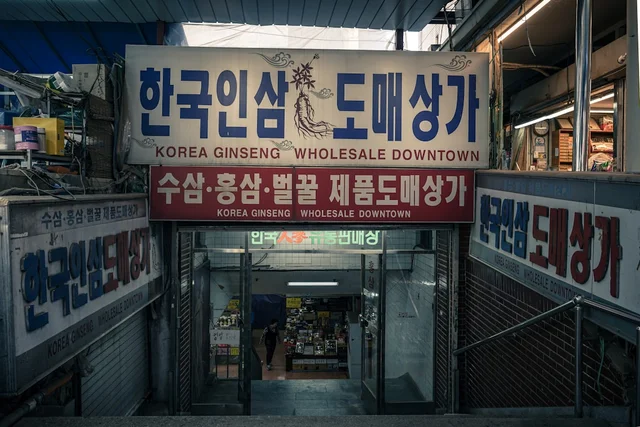
Korean food culture is another important pillar of tradition. Visiting traditional markets like Gwangjang Market or Tongin Market allows you to feel the rustic charm of Korea. Street foods that have been loved for a long time, such as bindaetteok (mung bean pancakes), yukhoe (beef tartare), and tteokbokki, represent the Korean palate. A market is not just a place to sell food, but a precious space where you can experience the warmth of Koreans through conversations with merchants and the lively atmosphere. It is convenient to prepare cash or digital payment methods when visiting these markets.

Precautions for preserving and enjoying culture and traditions

When engaging with long-standing culture and traditions, an attitude of respecting their value is most important. When visiting cultural heritage sites such as temples or ancient palaces, maintain quiet and follow designated paths. Additionally, it is essential to be respectful when wearing traditional clothing and to check in advance whether photography is permitted in the area.

Manners to observe when visiting cultural heritage sites

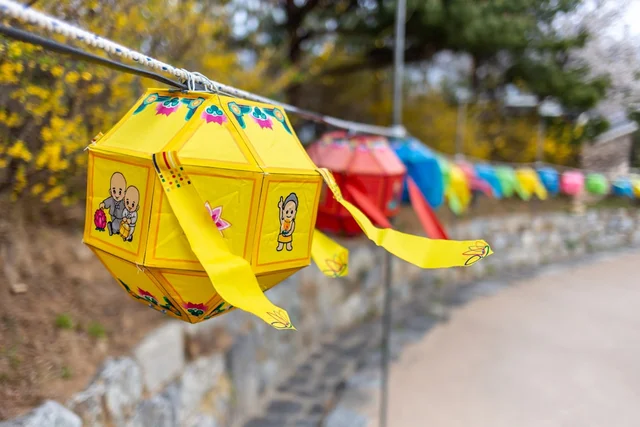
  • It is basic etiquette to walk quietly and avoid loud conversations inside temple grounds.
  • Touching or damaging cultural assets is strictly prohibited.
  • Many places prohibit the use of camera flashes, so please be observant.

Points to note during traditional culture experiences

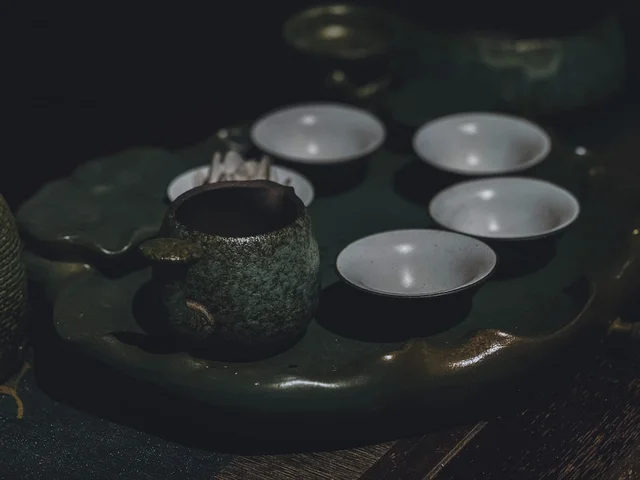
Traditional culture experiences are not just for entertainment, but a process of learning the meaning behind them. For example, when participating in a tea ceremony, it is important to find peace of mind while learning the order of preparing and drinking tea. By following the pace of tradition calmly without rushing, you will gradually come to understand the deep reasons why Koreans have kept these traditions for centuries. Culture and tradition are not a boring past, but a living textbook that imparts wisdom for our lives today.

Frequently Asked Questions

Where are the best places in Korea to experience culture and traditions?+

The best places to experience culture and traditions are the five grand palaces of Seoul: Gyeongbokgung, Changdeokgung, Deoksugung, Changgyeonggung, and Gyeonghuigung. In particular, Changdeokgung is a UNESCO World Heritage site known for its architectural beauty in harmony with nature, making it the most suitable place to experience the essence of traditional Korean architecture.

What activities are recommended for foreigners experiencing culture and traditions?+

The most recommended activity is visiting ancient palaces while wearing a rented hanbok. Experiencing the palaces while feeling the beautiful curves and colors of the hanbok is the best way to visually understand Korean identity, and it is an essential course that many foreign tourists find satisfying.

How can I learn about etiquette related to Korean culture and traditions?+

You can learn about etiquette related to culture and traditions through Korean traditional culture experience centers or Temple Stay programs operated by Buddhist temples. Temple Stay is a program where you can practice and learn about Korean Buddhist culture, tea ceremonies, and etiquette over a short period, which is very helpful for deeply understanding the Korean spirit.

Share

Show us your style! Share with #kcultureworld on Instagram & TikTok.

About the author

김민중

Writes practical guides to Korean beauty and food for overseas readers — Olive Young, convenience stores, and how-to tips.

More from 김민중

Related Posts

A Guide to Korean Culture and Trends Through Drama and Film

Guides · 08/09/26

A Guide to Korean Culture and Trends Through Drama and Film

Dramas and films serve as the most vivid windows into contemporary Korean culture and lifestyle. This guide provides a detailed look at how to enjoy Korean content more deeply, the social context behind the stories, and key points to keep in mind while watching.

Comments

No sign-up or login required.

No comments yet. Be the first to comment.