K-Culture World

Guides · 2026. 8. 18.

4 Ways to Deeply Understand Korean Culture and Traditions

BY 김민중

4 Ways to Deeply Understand Korean Culture and Traditions

Core Values for Understanding Korean Culture and Traditions

Korean culture and traditions contain a unique spirit and lifestyle formed over thousands of years of history. These are not merely relics of the past, but living values that communicate with modern Koreans. To properly understand Korean culture, one must first focus on the two keywords: 'harmony' and 'etiquette'.

Harmony with Nature

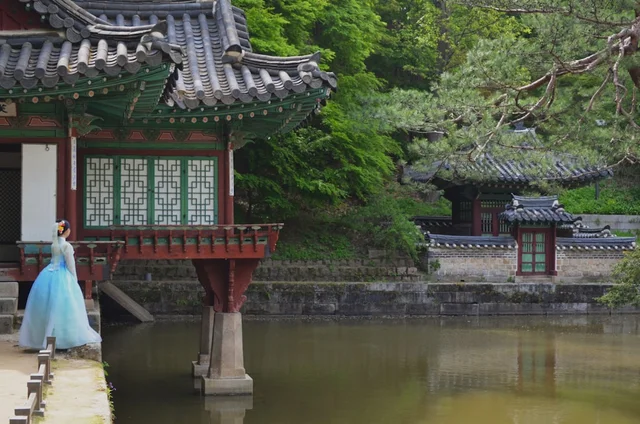
Hanok, Korea's traditional architecture, embodies a philosophy of blending into nature rather than defying it. The method of building houses according to the natural terrain without leveling it reflects the attitude Koreans have toward nature.

  • Utilizing the 'Baesanimsu' topography: Placing mountains in the back and water in the front to take advantage of climate and environmental benefits.
  • The function of the Madang (courtyard): The courtyard is not an empty space, but a multi-purpose area used to regulate ventilation and natural lighting within the home.

Community-Centered Etiquette

Traditional Korean society valued etiquette based on Confucian values. This still has a profound influence on human relationships and workplace culture in modern Korean society today.

  • Respect for Elders: A culture that values age serves as the foundation for forming vertical social structures and bonds in Korea.
  • Sense of Community: Traditions that prioritize collective harmony over the individual, such as village festivals or cooperative labor, continue to this day. These values are deeply rooted in the Korean sentiment and are combined with modern technological advancements to create a unique culture.
Cultural and Traditional Elements in Food, Clothing, and Shelter

Korean food, clothing, and housing have developed based on a climate with four distinct seasons and an agrarian culture. These traditional elements found in daily life are being reinterpreted in modern ways and are receiving global attention.

The Aesthetics of Hanbok

Hanbok is Korea's representative traditional clothing, where straight lines and curves exist in harmony. Beyond mere beauty, it has a scientific structure that considers the wearer's comfort and physical movement.

  • Harmony of Colors: The five traditional colors (Obangsaek) were used to project the principles of Yin and Yang into the clothing.
  • Modern Variations: Recently, 'daily Hanbok' that is comfortable to wear in everyday life has become very popular, especially among the younger generation.

The Science of Fermented Foods

Korean food culture has developed around storage and fermentation. Fermented foods such as Doenjang (soybean paste), Ganjang (soy sauce), and Kimchi are core elements that make up the traditional Korean diet.

  • Seasonality: It contains the wisdom of using seasonal ingredients to supplement nutrition and maintain health.
  • Culture of Sharing: The dining culture of sharing food together symbolizes the affection (Jeong) of Koreans and reflects the mindset of putting one's heart into serving guests. This food culture is gaining global attention as a healthy diet, contributing to enhancing Korea's brand value.

A Practical Guide to Experiencing Korean Culture and Traditions

If you want to experience Korean culture and traditions firsthand, it is important to go beyond just visiting museums and enter the local daily life. Here are some activities where you can best feel Korean traditions.

Visiting Traditional Villages

Traditional villages like Bukchon Hanok Village in Seoul or Yangdong Village in Gyeongju preserve the lifestyle of the past. Here, you can experience staying in traditional houses or drinking tea.

  • Advance Reservation Required: Popular Hanok accommodations fill up quickly, so checking in advance before your trip is necessary.
  • Quiet Observation: Since traditional villages are spaces where actual residents live, maintaining decorum and quiet is important.

Watching Traditional Art Performances

Traditional art performances like Pansori and Samulnori are genres that best express the joys and sorrows of the Korean people. At the performance venue, you can feel the unique, dynamic energy of Korea through the sounds of instruments and the movements of the performers.

  • Check Performance Information: It is recommended to check the schedules for monthly permanent performances or festival dates to plan your visit in advance.
  • Audience Participation: Some performances offer opportunities for the audience to join in with vocal encouragement (chuimsae) or participate, allowing for a more lively experience. This process of direct experience will provide a deep understanding of Korea and unforgettable memories.

Frequently Asked Questions

What is Korean culture and tradition?+

Korean culture and tradition is a concept that encompasses the unique lifestyles, philosophy, art, and social customs formed over thousands of years of history. It includes architectural philosophy that values harmony with nature, etiquette that emphasizes community harmony, and fermented food culture adapted to the four seasons, with these values continuing to this day in the daily lives of modern Koreans.

How can I experience traditional culture?+

The best way to experience traditional culture is to visit a Hanok village, stay in a traditional house, and personally feel Korea's residential culture. Also, wearing a Hanbok while strolling through ancient palaces, watching traditional art performances, or participating in Kimchi-making or tea ceremony experiences are very effective ways to understand Korea's deep history and spirit.

What traditional cultural activities do you recommend for foreigners?+

I recommend visiting ancient palaces like Gyeongbokgung. At the palaces, you can watch the royal guard changing ceremony held at specific times, and if you rent and wear a Hanbok, you can also receive free admission. Additionally, enjoying Korea's tea culture at a traditional teahouse in Insa-dong is a great way to experience the atmosphere of Korea.

Share

Show us your style! Share with #kcultureworld on Instagram & TikTok.

About the author

김민중

Writes practical guides to Korean beauty and food for overseas readers — Olive Young, convenience stores, and how-to tips.

More from 김민중

Related Posts

Comments

No sign-up or login required.

No comments yet. Be the first to comment.