4 Essential Guides to Understanding Korean Culture and Traditions
Culture and traditions are vital elements that define a nation's identity. Over thousands of years, Korean history has developed a unique art and philosophy that is loved by people around the world today as K-Culture. Understanding Korean tradition is not merely about studying artifacts of the past, but a process of learning the spirit and etiquette that are woven into the lives of modern Koreans.
Architectural Philosophy in Harmony with Nature
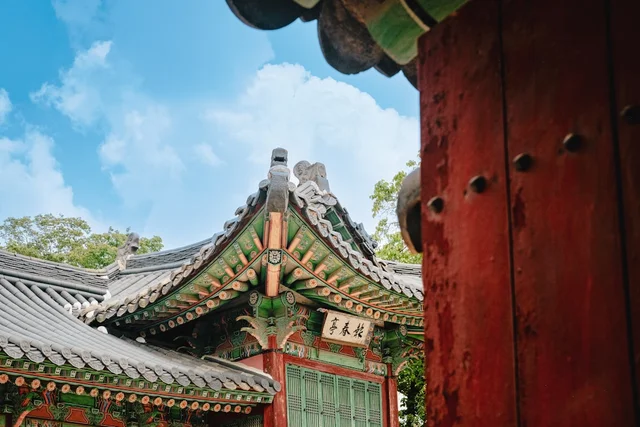
Traditional Korean architecture is based on the principle of blending into nature rather than defying it. Hanok, the traditional house, was designed with the surrounding terrain and climate in mind, and it responds actively to the changing seasons through unique structures like 'ondol' (underfloor heating) and 'maru' (wooden floor).
- Village layouts utilizing the 'baesanimsu' principle (mountain in the back, water in the front)
- Eco-friendly structures using natural materials like wood, stone, and earth
- Open space utilization connecting the interior and exterior through the courtyard
Hanbok: Traditional Clothing Embodying Korean Beauty
Hanbok is Korea's representative traditional attire, where straight and curved lines harmonize. Beyond mere beauty, it was historically used to indicate the wearer's social status or to show respect. Today, 'modernized Hanbok,' designed for comfort in daily life, has gained significant popularity.
- Basic composition of a jeogori (jacket) with a skirt or trousers
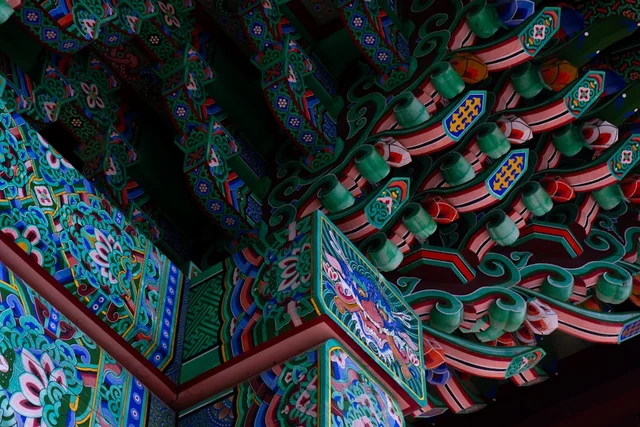
- Aesthetics of the 'obangsaek' (five traditional colors) through color contrast
- Elegant silhouettes created by the flow of restrained lines