K-Culture World

Guides · 2026. 8. 21.

4 Ways to Deeply Understand Korean Culture and Traditions

BY 김민중

4 Ways to Deeply Understand Korean Culture and Traditions

What is the significance of Korean culture and tradition in modern society?

Despite achieving rapid economic growth, South Korea has consistently made efforts to preserve its unique culture and traditions. This goes beyond simply storing historical artifacts; it is about inheriting them in a way that harmonizes with the daily lives of modern people. Korean tradition is rooted in a philosophy that respects community spirit and nature, which is deeply embedded in modern content such as K-beauty and K-food.

Community spirit and human-centered values

  • The concepts of 'Jeong' (affection) and community, which are at the heart of traditional Korean society, continue to manifest as a culture of collaboration and consideration in modern society.
  • An attitude that values etiquette is expressed as a sign of respect in interpersonal relationships, forming the foundation that supports Korea's social networks.

Harmony with nature and aesthetic approach

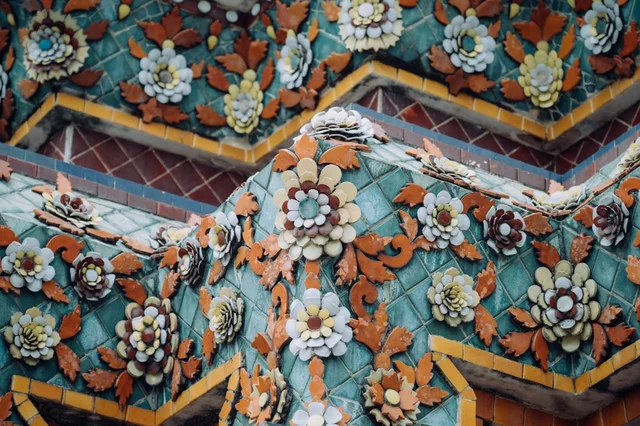
  • Korean architecture and art favor the beauty of curves and simplicity that blends with nature rather than artificial grandeur.
  • These aesthetic values serve as important elements that inspire modern interior design and the packaging design of Korean cosmetics. Traditional colors and patterns are combined with modern technology to create a unique Korean aesthetic.
3 steps to practice Korean culture and tradition in daily life

It is a shame to only encounter Korean traditions in museums. Feeling and practicing the essence of tradition in your daily life is the first step toward deeply understanding Korean culture. Here are specific ways to experience tradition through three aspects: food, clothing, and etiquette.

Experiencing traditional food culture using seasonal ingredients

  • Tasting seasoned vegetables (namul) made with seasonal ingredients or fermented foods like kimchi is the fastest way to understand Korea's nature-friendly food culture.
  • Experiencing a dining culture that respects elders and follows table etiquette is another important way to practice tradition.

Learning the beauty of curves and etiquette through Hanbok

  • Hanbok is Korea's traditional clothing, characterized by a unique form that harmonizes straight and curved lines.
  • By wearing a Hanbok on a special day, you can personally feel the neatness and elegance that Koreans have sought to express through their clothing.

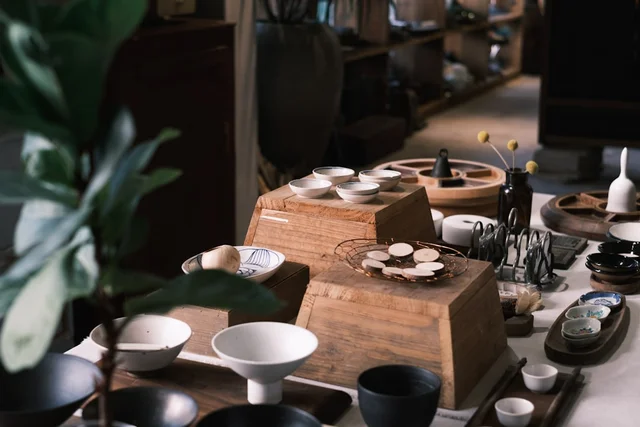
Finding relaxation through traditional tea and tea ceremonies

  • Korean tea ceremony emphasizes the importance of focusing on the sounds of nature and your own inner self while drinking tea.
  • Taking time to enjoy warm traditional Korean tea in a quiet space is an excellent way to find psychological peace in the busy daily lives of modern people.
Traditional tea sets

SHOP THE LOOK: Traditional tea sets

Modern efforts to preserve and inherit culture and tradition

Tradition is not fixed; it changes and develops according to the flow of time. In Korea, various efforts are being made at both the government and private levels to preserve traditional culture, and there is a notable phenomenon where the younger generation is reinterpreting tradition to create new trends. These changes serve as the driving force that establishes tradition not as something old, but as a sophisticated lifestyle.

Combination of cultural heritage protection and digitalization

  • Korea's ancient palaces and cultural heritage sites are being opened to the public more vividly by utilizing digital technology.
  • By reproducing the past through virtual reality or augmented reality, accessibility to history is being enhanced.

Modern reinterpretation of tradition and creative industries

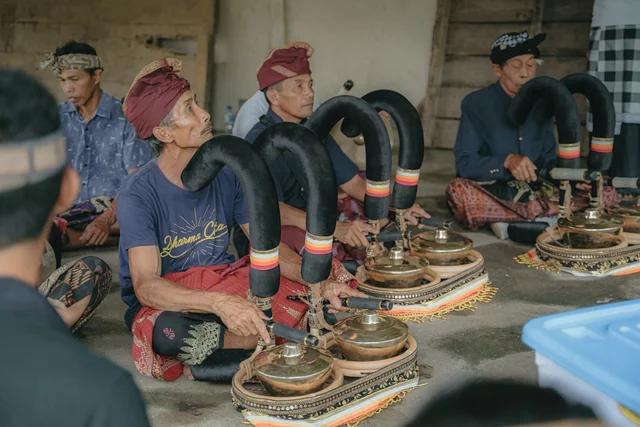
  • Young designers are continuing creative attempts, such as transforming traditional patterns into modern fashion items or incorporating the melodies of traditional instruments into popular music.
  • These activities serve as the foundation for Korean culture to gain global competitiveness and play a role in promoting Korea's charm to many people at home and abroad.

Delivering value through education and experience programs

  • Community cultural centers and public institutions operate programs where anyone can easily learn traditional crafts or arts, helping the public engage with traditional culture.

Frequently Asked Questions

What does culture and tradition mean?+

Culture and tradition is a concept that encompasses the lifestyles, ways of thinking, arts, and etiquette that a people have shared for a long time. It is a core element that constitutes the identity of Korean society, aimed at creating better values by connecting the wisdom of the past with modern ways of life.

Where should I start to learn about Korean culture and traditions?+

If you want to learn about Korean culture and traditions, we recommend first visiting Korea's ancient palaces or traditional markets to feel the local atmosphere. Additionally, utilizing traditional craft, tea ceremony, and Hanbok experience programs offered by Korean Cultural Centers or museums allows you to acquire both theory and practical skills.

How can foreigners respect and enjoy Korean culture and traditions?+

To respect and enjoy culture and traditions, it is good to first understand Korean etiquette. For example, simply learning the manners when dealing with elders or basic dining etiquette can help you form a deeper bond with Koreans, and it is important to have an open mind when experiencing traditional art and food.

Share

Show us your style! Share with #kcultureworld on Instagram & TikTok.

About the author

김민중

Writes practical guides to Korean beauty and food for overseas readers — Olive Young, convenience stores, and how-to tips.

More from 김민중

Related Posts

Comments

No sign-up or login required.

No comments yet. Be the first to comment.