What is Bibimbap and Why is it Loved Worldwide?
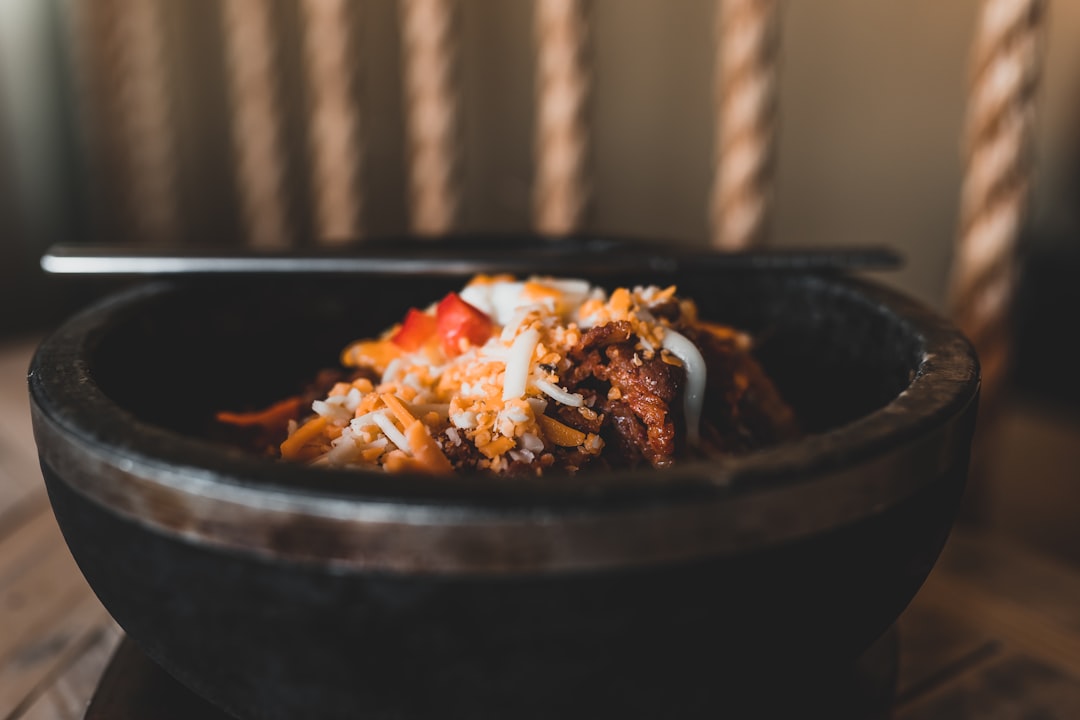
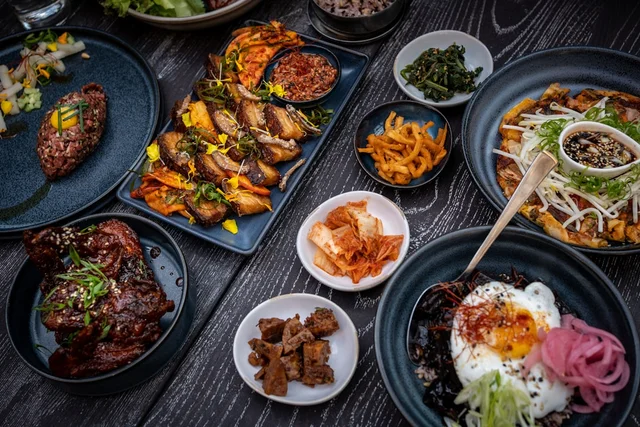
Bibimbap is a representative traditional Korean dish that brings together various seasoned vegetables (namul), meat, and gochujang (red chili paste) in a single bowl. The name 'Bibimbap' is derived from the words 'bibida' (to mix) and 'bap' (rice), highlighting the Korean food culture that values the harmony of ingredients. Recently, it has gained global attention as a healthy plant-based meal, capturing the palates of people all over the world.
Nutritional Balance and Harmony
- It is a complete meal that provides carbohydrates, protein, vitamins, and minerals in one bowl.
- The use of colorful vegetables offers both visual appeal and nutritional diversity.
- The capsaicin in gochujang helps boost metabolism and stimulates the appetite.
Popular Appeal
The global popularity of Bibimbap lies in its versatility. You can add beef, fried eggs, or tofu to the base of rice and vegetables according to your preference, or use a soy sauce-based seasoning instead of gochujang for a milder flavor. This flexibility has made it a menu item that satisfies everyone, from vegetarians to meat lovers. In Korea, there is a traditional custom of making Bibimbap using leftover namul after holidays or feasts, which reflects the wisdom of reducing food waste while maximizing the flavor of the ingredients.