Definition and Cultural Background of Korean Snacks
Korean snacks refer to confectionery items that have evolved within Korean food culture, recently gaining global popularity alongside the K-Food craze. Beyond just their taste, Korean snacks are characterized by the use of ingredients that reflect Korean sentiments and seasonal changes. Having expanded from traditional Hangwa to modern snack varieties, Korean snacks have now become global treats easily found in convenience stores and supermarkets worldwide.
Modern Reinterpretation of Traditional Hangwa
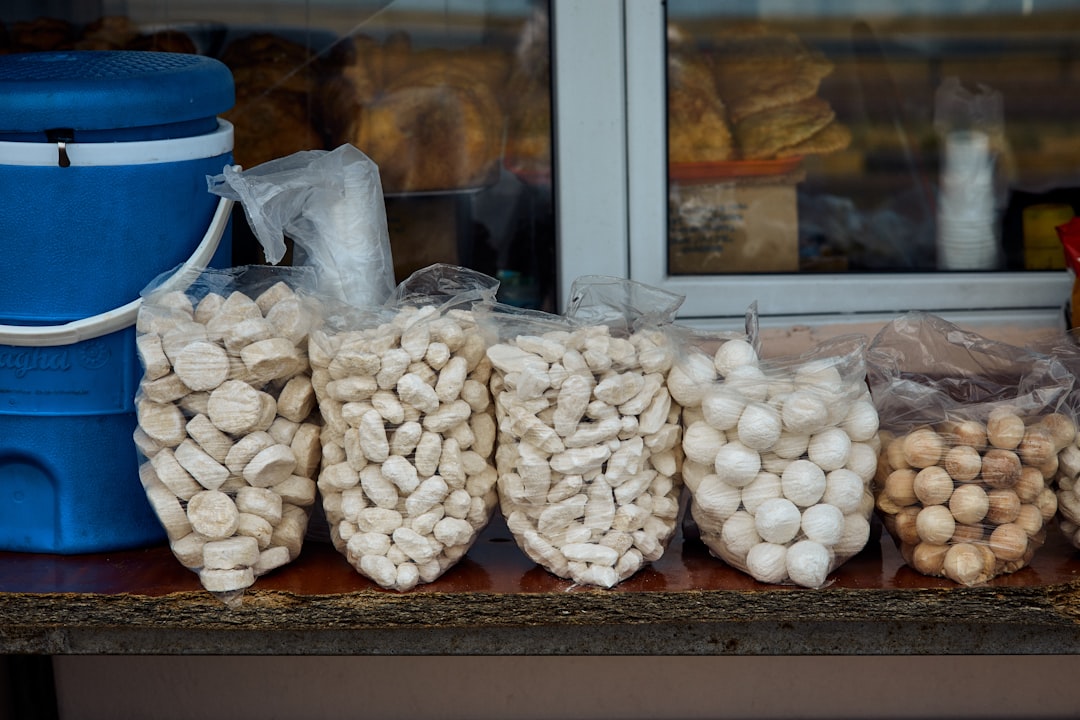
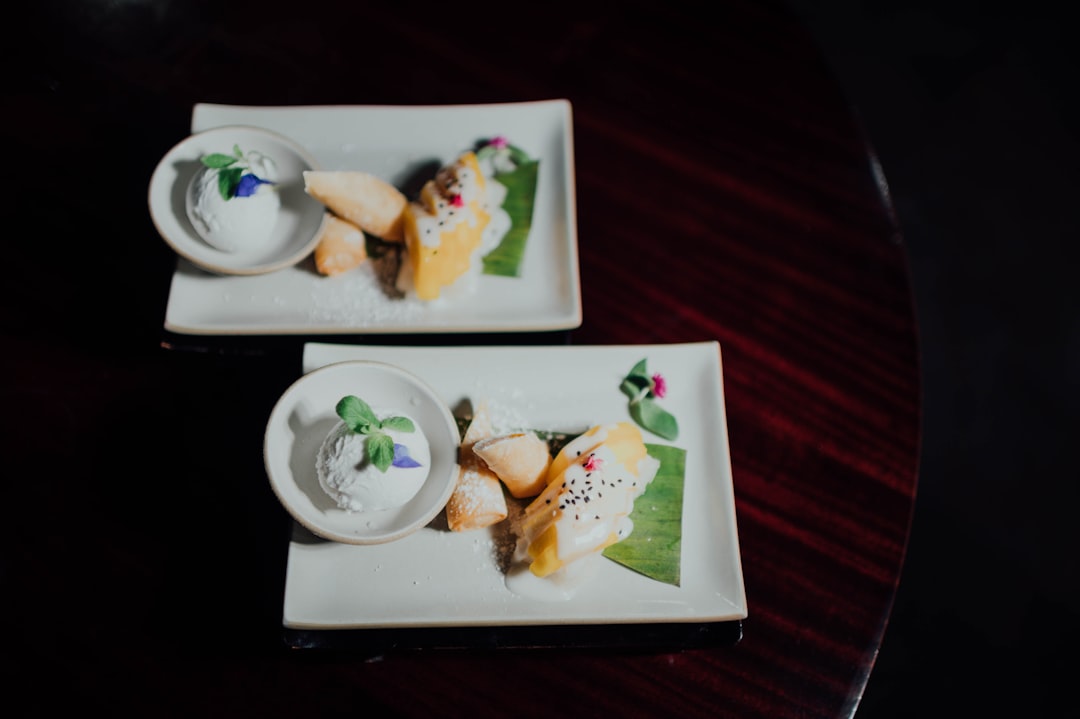
Traditional Korean snacks, known as Hangwa, emphasize healthy flavors by using grains, nuts, and honey as primary ingredients. Recently, fusion desserts utilizing these traditional ingredients have become popular among the younger generation.
- Yakgwa: A fried confection made from a dough of wheat flour, honey, and oil; recently a viral hit as a convenience store dessert.
- Gangjeong: A crispy snack made by coating fried grains with grain syrup.
- Yugwa: A soft and airy snack made by frying glutinous rice dough.
Diversity of Modern Snacks
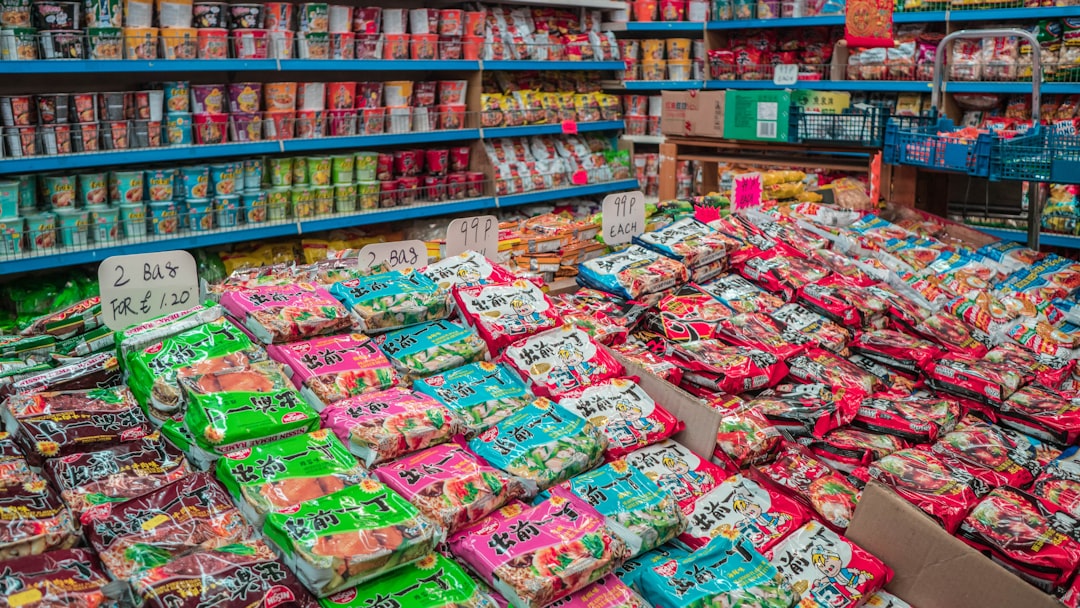
Modern Korean snacks are characterized by a pursuit of extreme flavor harmony, including spicy, sweet, and salty profiles. Products featuring seasonings made with Korean ingredients like Gochujang or Buldak sauce are receiving significant attention in the global market. These snacks, which offer a variety of textures, have now established themselves as icons of Korean culture.