K-Culture World

Food · 2026. 7. 29.

Korean BBQ Culture and 4 Ways to Enjoy It Perfectly

BY 김민중

Korean BBQ Culture and 4 Ways to Enjoy It Perfectly

Characteristics and Appeal of Korean BBQ Culture

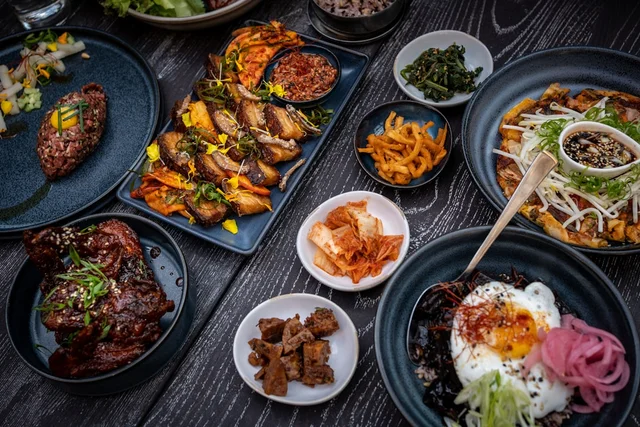
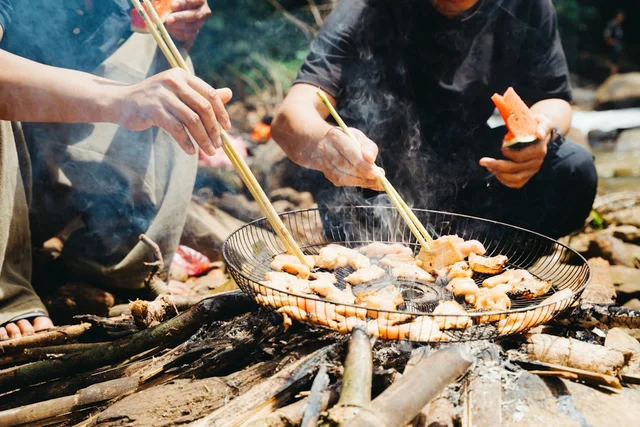
In Korean dining culture, BBQ is more than just eating; it represents a space for connection and harmony. The unique method of placing a grill in the center of the table and having multiple people cook and eat together reflects the Korean sense of community. The process of grilling meat together, sharing conversation, and placing perfectly cooked pieces into each other's wraps is a warm, essential sentiment of the Korean dining table.

Selection Criteria for Main BBQ Cuts

Popular cuts enjoyed in Korean restaurants include pork belly (samgyeopsal), beef ribs (galbi), and beef brisket (chadolbagi). Each cut has a distinct texture and flavor, so it is important to choose according to your preference.

  • Pork Belly (Samgyeopsal): The most popular cut, known for its excellent balance of fat and lean meat.
  • Beef Ribs (Galbi): Characterized by tender texture and savory depth, often enhanced with a marinade to maximize flavor.
  • Beef Brisket (Chadolbagi): Thinly sliced and known for its quick cooking time, as it sears almost instantly on the grill.

Basic Principles for Enjoying BBQ

The key to grilling meat is to ensure the grill is sufficiently hot. If you place meat on a cold grill, the juices will escape, making the meat tough. Additionally, avoid flipping the meat too often; wait until one side is properly browned to lock in the savory flavors. While the meat cooks, grilling garlic or mushrooms alongside allows the rendered fat to flavor the vegetables, creating a deeper taste profile. BBQ is not just about grilling technique, but also the harmony of the sauces and vegetables served with it.
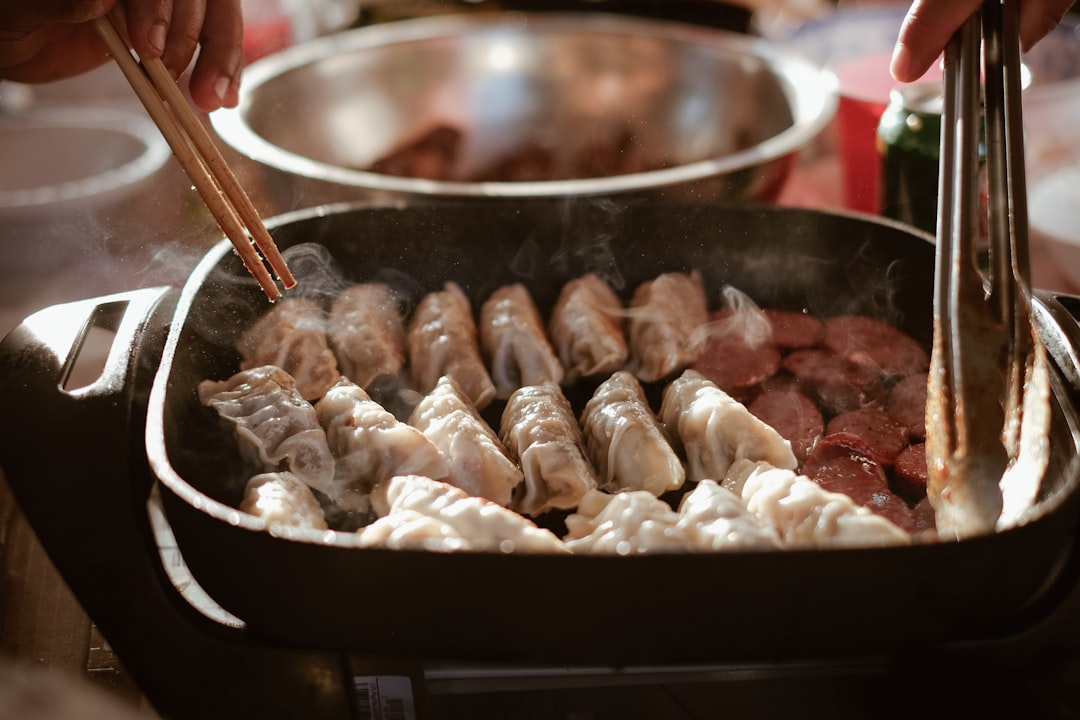
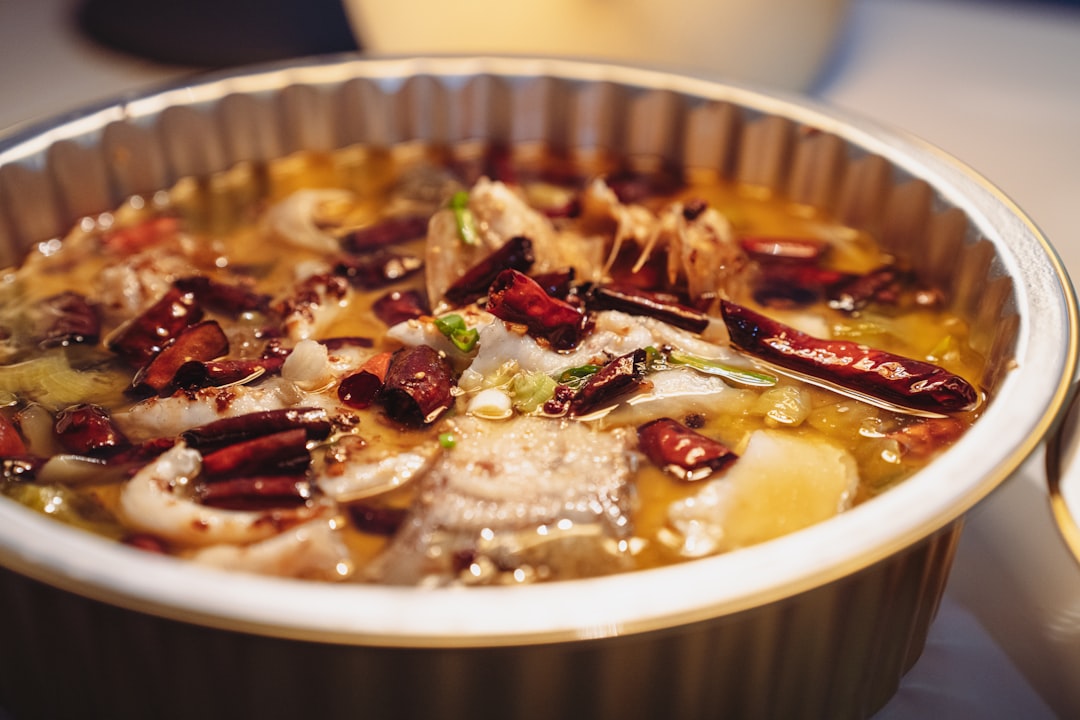
BBQ Kitchen Tools

SHOP THE LOOK: BBQ Kitchen Tools

The Korean Ssam Culture

One cannot talk about Korean BBQ without mentioning the ssam (wrap) culture. Placing well-grilled meat onto fresh lettuce or perilla leaves, along with ssamjang (a traditional fermented paste), garlic, and seasoned scallions, creates a nutritionally balanced meal. The act of wrapping provides a rich texture in every bite, and the freshness of the vegetables balances the richness of the meat, allowing you to enjoy the meal without feeling overwhelmed by the grease.

3 Steps to Making the Perfect Ssam

While everyone has their own style, following these steps generally ensures a harmonious flavor experience:

  • Step 1: Lay a fresh lettuce or perilla leaf flat on your palm.
  • Step 2: Dip a piece of grilled meat lightly into ssamjang and place it on the leaf.
  • Step 3: Add grilled garlic, seasoned scallions, or a small amount of rice, then wrap it carefully into a bite-sized portion.

Health Benefits of Ssam Culture

Ssam helps cool the heat from the grill and aids in digestion. The unique aroma of perilla leaves helps neutralize the gamey scent of meat, while lettuce adds a refreshing finish. Korean restaurants often provide unlimited refills of ssam vegetables, allowing you to enjoy a variety of combinations based on your preference. Recently, using pickled perilla leaves or aged kimchi (mukeunji) as wraps has become popular, adding even more diversity to the flavors of your BBQ.

Ssamjang and Sauces

SHOP THE LOOK: Ssamjang and Sauces

Finishing Your Meal the Korean Way

After finishing the BBQ, it is customary to conclude the meal with soybean paste stew (doenjang-jjigae) or cold noodles (naengmyeon). Known as a 'dessert' or finishing dish in Korea, this is an important step to cleanse the palate of grease and aid digestion. The hot stew and cold noodles provide a perfect balance to the meal and are the most common ways Koreans finalize their dining experience.

The Role of Soybean Paste Stew and Cold Noodles

The choice of finishing dish often depends on the season and personal preference. Soybean paste stew provides a comforting, savory warmth, while cold noodles offer a refreshing broth and chewy texture to cool down the heat of the BBQ.

  • Soybean Paste Stew: The deep, fermented flavor of the soybean paste perfectly cuts through the lingering richness of the meat.
  • Water Cold Noodles (Mul-naengmyeon): The icy broth leaves the palate clean and refreshed after a heavy meal.
  • Spicy Cold Noodles (Bibim-naengmyeon): The sweet and spicy sauce complements the flavor of the BBQ, offering a delightful alternative.

The Importance of the Finishing Course

In Korean restaurants, ordering a finishing dish after BBQ is like completing a course meal. Beyond just filling up, the essence of Korean dining is maintaining a balance of flavors from start to finish. This concluding ritual showcases the meticulous gastronomic philosophy of Korean culture. Choosing the right finishing dish significantly enhances the overall satisfaction of the meal and is a key point in understanding Korean food culture.

Frequently Asked Questions

What is Korean BBQ and why is it famous?+

Korean BBQ refers to the iconic dining culture where fresh meat is grilled directly at the table. It is famous because it transcends the act of eating; it is a communal dining experience where people grill together, converse, and share wraps, which is deeply rooted in the Korean sentiment.

What is the 'ssam' culture I should know about when eating BBQ?+

Ssam culture involves placing grilled meat, ssamjang, and garlic onto lettuce or perilla leaves to eat as a wrap. Ssam neutralizes the richness of the meat, adds nutritional value from vegetables, and provides a rich texture that completes the essential pleasure of Korean BBQ.

What finishing dishes are recommended after Korean BBQ?+

We recommend finishing with soybean paste stew or cold noodles. Soybean paste stew provides a comforting, savory end to the meal, while water or spicy cold noodles are beloved by Koreans for their ability to cleanse the palate and provide a refreshing finish after the heat of the grill.

Share

Show us your style! Share with #kcultureworld on Instagram & TikTok.

About the author

김민중

Writes practical guides to Korean beauty and food for overseas readers — Olive Young, convenience stores, and how-to tips.

More from 김민중

Related Posts

All About Bibimbap: A Guide to Healthy and Delicious Traditional Korean Cuisine

Food · 07/29/26

All About Bibimbap: A Guide to Healthy and Delicious Traditional Korean Cuisine

Bibimbap is a quintessential nutritionally balanced Korean dish consisting of rice topped with various seasoned vegetables, meat, and gochujang. This guide covers the origins of Bibimbap, key steps for making it delicious, and regional variations to help anyone easily experience the authentic taste of Korea.

Comments

No sign-up or login required.

No comments yet. Be the first to comment.