Diverse Characteristics of Korean Dessert Culture
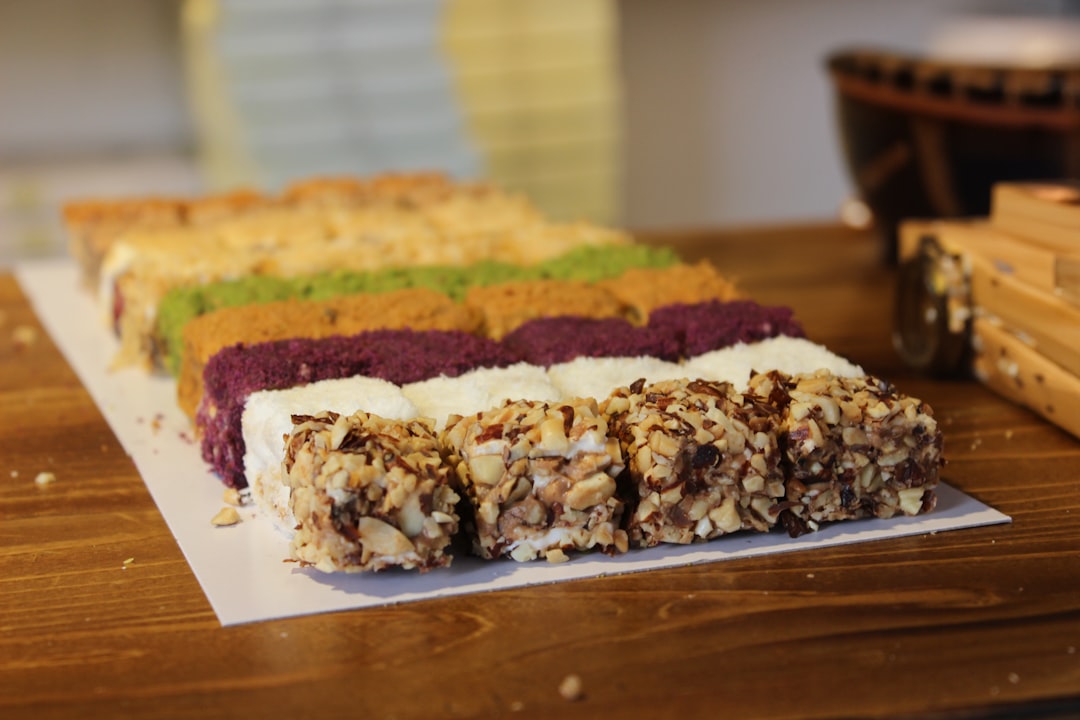
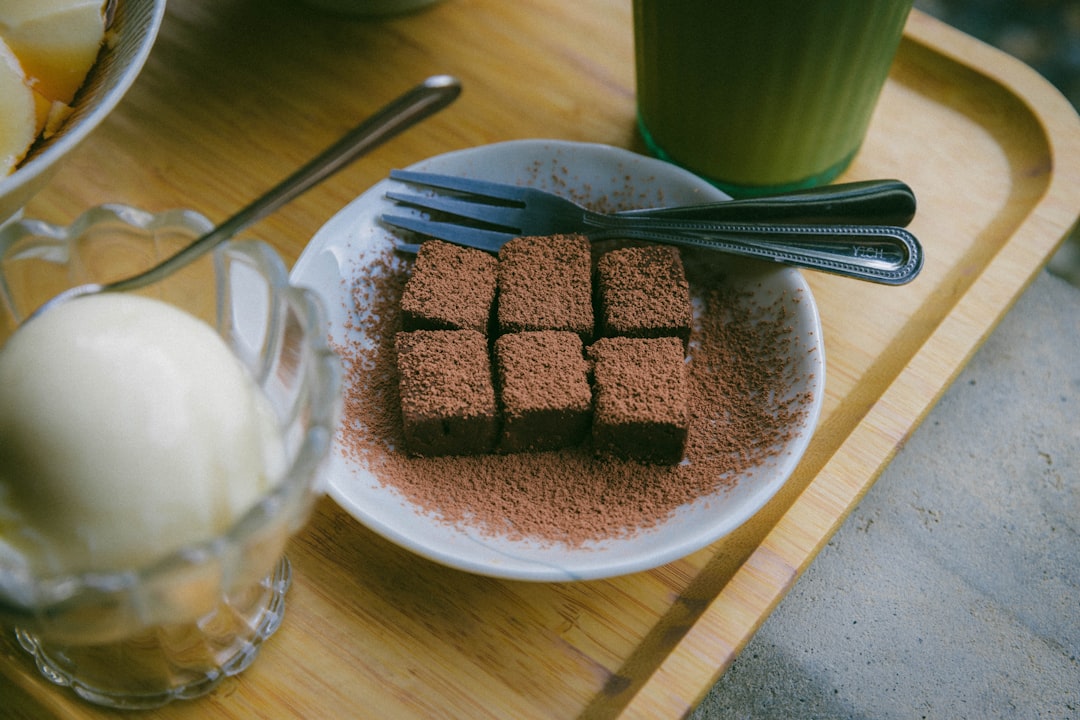
Korean desserts are evolving into unique forms by blending traditional flavors with modern sensibilities. In Korea, dessert culture has grown beyond simple post-meal sweets; it has become a core social activity for spending time with friends. Recently, fusion menus utilizing traditional ingredients like rice cakes (tteok) or yakgwa have gained immense popularity.
Harmony of Tradition and Modernity
- Emphasis on savory flavors using grain powders
- Subtle sweetness achieved by using grain syrup or honey instead of sugar
- A plating culture that prioritizes visual aesthetics
Region-Specific Menu Specialties
Each region in Korea has developed unique snacks by leveraging its specific climate and local specialties. For example, chocolate made with Jeju Island tangerines or the sticky barley bread from Gyeongju have become essential stops for travelers. These local specialties are being reborn as snacks loved by all generations, from young people to the elderly, through modern confectionery techniques. A major charm of Korean food culture is the release of seasonal menus that utilize fresh, in-season fruits.