K-Culture World

Food · 2026. 7. 29.

Types of Korean Street Food and 4 Ways to Enjoy Them

BY 김민중

4 Essential Steps for a Successful Visit to Korea: A Travel Guide

What is the appeal of Korean street food culture?

Street food culture is a window into experiencing the dynamic daily life of Korea up close. Frequently found throughout urban areas, particularly near traditional markets or university districts, these foods have captured the palates of travelers worldwide with their affordable prices and unique flavors. Beyond just a means to satisfy hunger, they have established themselves as cultural spaces where the unique Korean sense of 'jeong' (affection) and a vibrant atmosphere are shared.

Characteristics of Korean street snacks

  • Accessibility: Easily found near subway stations or within market alleys.
  • Price range: Most items are inexpensive, making it easy to sample a wide variety.
  • Cooking method: Prepared on the spot upon ordering, served fresh and hot.

Criteria for choosing representative street foods

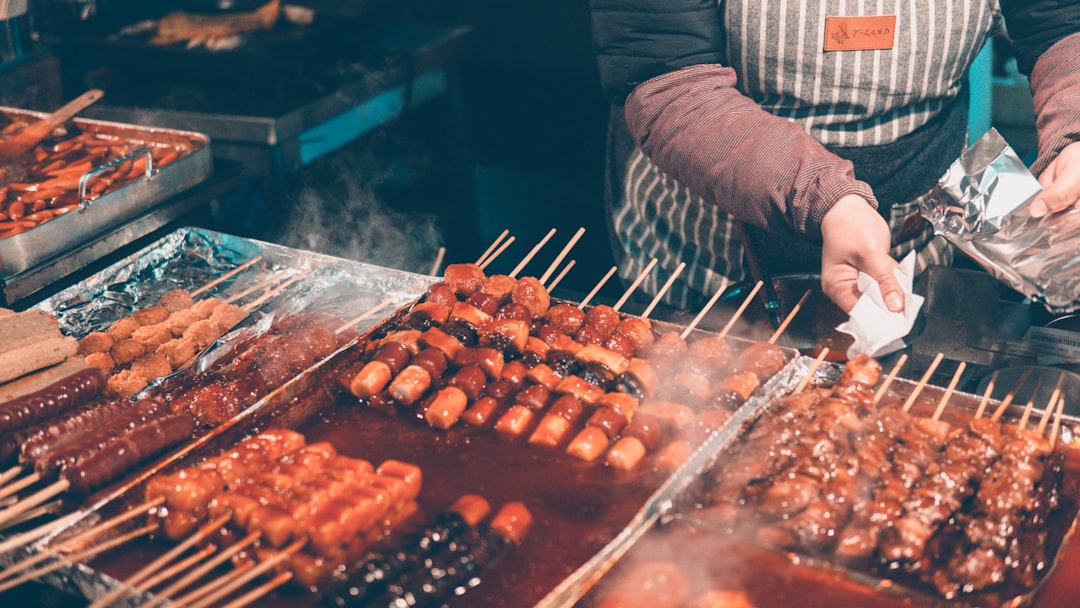
Areas like Myeong-dong and Gwangjang Market, which attract many tourists, are known as meccas for Korean street food. Tteokbokki features a sweet and spicy sauce based on gochujang and is traditionally eaten with fried snacks (twigim) or sundae (blood sausage). Sweet snacks like bungeoppang (fish-shaped pastry) or hotteok (sweet pancakes) are particularly popular during the winter. When choosing food, it is best to check if the cooking area is clean and if the high turnover ensures fresh ingredients. Also, since cash is commonly used, it is wise to keep some small change on hand.
Korean Snack Tools

SHOP THE LOOK: Korean Snack Tools

Tips for enjoying street food by type

Among the diverse street food options, there are specific combinations that locals love. To maximize the flavor of each dish, it is important to use sauces or side dishes appropriately. For example, when eating spicy tteokbokki, pairing it with fried snacks or fish cake broth can neutralize the heat while adding depth to the flavor.

  • Tteokbokki and Twigim: Dipping fried snacks into tteokbokki sauce is a classic Korean eating habit.
  • Sundae and Salt: Korean-style sundae should be lightly dipped in salt to bring out its savory flavor.
  • Hotteok and Drinks: Hotteok, which is fried in oil, pairs perfectly with refreshing sikhye (rice punch) or an Americano.

How to enjoy street food hygienically

  • Personal hygiene: Make it a habit to clean your hands with wet wipes or hand sanitizer before eating.
  • Use utensils: Whenever possible, use the provided disposable skewers or chopsticks, and be careful not to touch your mouth directly to shared sauce containers.
  • Choose locations: You are more likely to enjoy fresher food by choosing busy spots where ingredients are turned over quickly. When enjoying street food, be mindful of your surroundings and ensure trash is disposed of in designated areas.

Major hotspots for a street food tour

There are essential places that foreigners visiting Korea must visit to truly feel the street food culture. Each region has specialized snacks, offering a unique experience depending on where you go. From the center of Seoul to traditional markets, we have compiled a list of spots loved by foodies.

  • Gwangjang Market: You can taste traditional Korean street foods like bindaetteok (mung bean pancake), addictive gimbap, and yukhoe (beef tartare) all in one place.
  • Myeong-dong Street: The most popular spot for foreign tourists, featuring trendy snacks like chicken skewers and tornado potatoes.
  • Busan International Market: Famous for Busan-specific street foods like seed hotteok and bibim dangmyeon (spicy glass noodles).

Things to consider when visiting

When planning a street food tour, timing is key. Most stalls are most active from 4:00 PM through the evening. Many shops may not be open during the early afternoon, so it is recommended to go in the evening to enjoy a light meal or snack. Additionally, in crowded areas, be mindful of your belongings and maintain order when waiting in line to avoid inconveniencing others. Since seasonal snacks vary, checking in advance which foods are in season during your visit is also a great idea.

Frequently Asked Questions

What is street food?+

Street food refers to snacks sold at Korean street stalls or markets that are quick and easy to eat. Tteokbokki, fish cakes, hotteok, and bungeoppang are representative examples, and they are closely linked to Korean daily life, offering a unique culinary experience to tourists.

How can I enjoy street food hygienically?+

To enjoy street food hygienically, it is most important to choose places with high turnover where ingredients are fresh. Clean your hands before eating, use personal skewers or utensils if possible, and in very crowded areas, consider standing aside or eating in designated spots.

Where is the best place for a street food tour in Korea?+

For a street food tour, we recommend Gwangjang Market or Myeong-dong Street in Seoul, or the International Market in Busan. These locations are packed with a variety of foods, making them optimal for experiencing the diverse street cuisine of Korea in a short amount of time.

Share

Show us your style! Share with #kcultureworld on Instagram & TikTok.

About the author

김민중

Writes practical guides to Korean beauty and food for overseas readers — Olive Young, convenience stores, and how-to tips.

More from 김민중

Related Posts

All About Bibimbap: A Guide to Healthy and Delicious Traditional Korean Cuisine

Food · 07/29/26

All About Bibimbap: A Guide to Healthy and Delicious Traditional Korean Cuisine

Bibimbap is a quintessential nutritionally balanced Korean dish consisting of rice topped with various seasoned vegetables, meat, and gochujang. This guide covers the origins of Bibimbap, key steps for making it delicious, and regional variations to help anyone easily experience the authentic taste of Korea.

Comments

No sign-up or login required.

No comments yet. Be the first to comment.