K-Culture World

Food · 2026. 8. 3.

How to Make Delicious Bibimbap and the Harmonious Appeal of Korean Cuisine

BY 김민중

How to Make Delicious Bibimbap and the Harmonious Appeal of Korean Cuisine

What kind of Korean dish is Bibimbap?

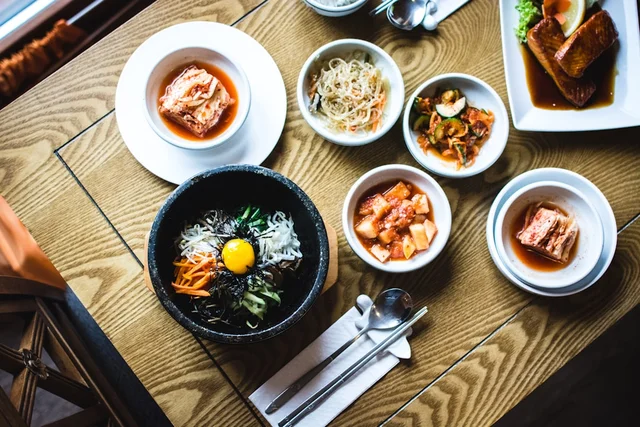
Bibimbap is a traditional Korean dish consisting of freshly cooked rice topped with various seasoned vegetables (namul), meat, and gochujang, all mixed together before eating. In Korean culture, Bibimbap represents more than just a meal; it holds significant meaning as a symbol of harmony and balance. The process where ingredients of different colors and flavors come together in a single bowl to create a new taste perfectly reflects the Korean culinary philosophy.

Nutritional benefits of Bibimbap

  • Consuming various namul rich in dietary fiber can support gut health.
  • It is a complete meal with a balanced ratio of protein, carbohydrates, and fats.
  • You can efficiently obtain nutrients by utilizing seasonal vegetables according to the time of year.

Components of Bibimbap

The core of Bibimbap is the base of rice and the toppings placed on it. It typically includes namul such as bean sprouts, spinach, bracken, and bellflower root, with stir-fried beef or raw beef (yukhoe) added according to preference. Gochujang, a unique Korean fermented food, acts as the center of the overall flavor. A drop of sesame oil maximizes the nutty aroma and stimulates the appetite. Traditionally, it is common to serve it in a brass bowl to maintain warmth, and regional variations have developed, such as Jeonju Bibimbap or Jinju Bibimbap.

3 Key steps to making delicious Bibimbap

To perfectly prepare Bibimbap at home, a meticulous process is required, from ingredient preparation to selecting the sauce. The key to cooking is to preserve the texture of each ingredient while ensuring the gochujang and sesame oil blend well.

Ingredient prep and stir-frying namul

  • Blanch the namul briefly so they don't get too mushy, then rinse in cold water and remove all moisture.
  • Season the beef with soy sauce, sugar, and minced garlic, then stir-fry thoroughly to bring out a savory flavor.
  • Lightly season each vegetable with salt and sesame oil to preserve its unique aroma.

Step-by-step cooking guide

  1. Cooking Rice: Soak the rice sufficiently, cook it until fluffy, and place it in a large bowl.
  2. Arranging Toppings: Neatly arrange the prepared namul and meat on top of the rice, considering the color palette.
  3. Adding Sauce: Mix the gochujang with a little plum extract or sugar to soften the flavor, then place it in the center.

The final step to enhance the perfection of Bibimbap is adding sesame oil and toasted sesame seeds. Sesame oil acts as a binder that ties the aromas of the vegetables together, while sesame seeds provide visual appeal and an extra nutty flavor. Once all ingredients are ready, it is best to use chopsticks rather than a spoon to mix lightly so the ingredients aren't crushed. This allows you to enjoy the crisp texture of the vegetables until the very last bite.

Tips to enjoy Bibimbap even more

Bibimbap is a free-spirited dish with no set rules. You can complete your own unique recipe by utilizing ingredients in your refrigerator or adding special sauces according to your taste. Experience the diverse variations characteristic of Korean cuisine.

Various fusion recipes

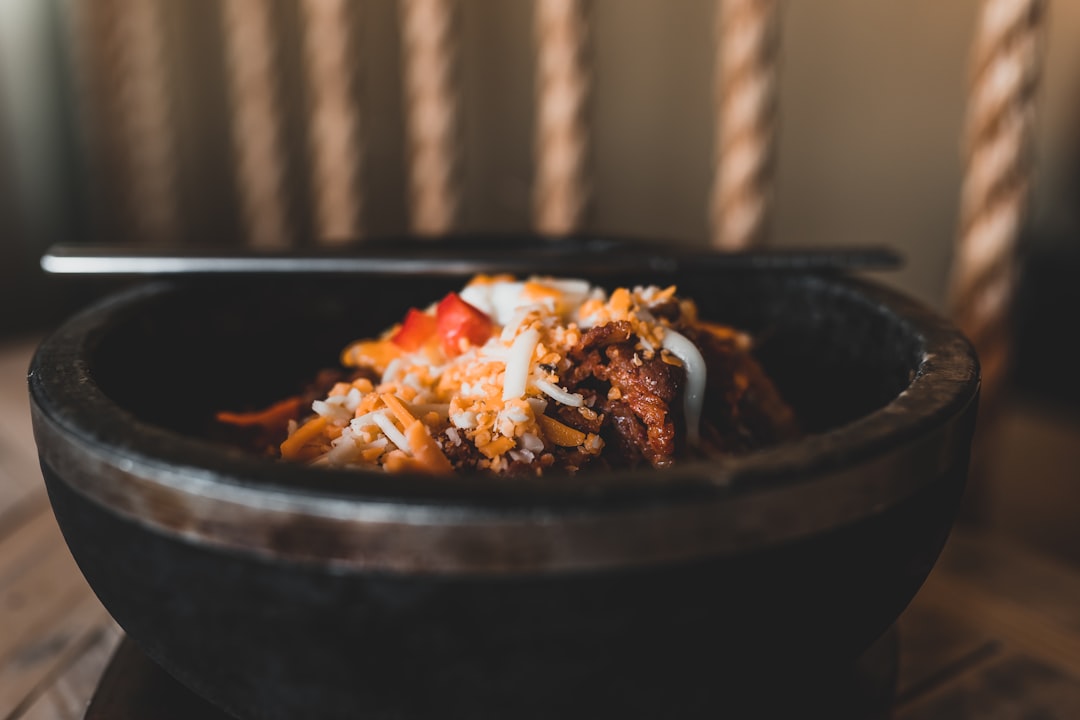
  • Dolsot Bibimbap: Served in a sizzling hot stone pot to create a crispy layer of scorched rice at the bottom.
  • Yukhoe Bibimbap: A menu item featuring fresh raw beef, emphasizing a savory and chewy texture.
  • Vegan Bibimbap: A healthy, plant-based version using stir-fried tofu or mushrooms instead of meat.

A soup dish is essential when eating Bibimbap. A clear bean sprout soup or soybean paste soup neutralizes the intense flavor of the gochujang and cleanses the palate. Additionally, serving it with cabbage kimchi or nabak kimchi allows you to experience the fermented umami unique to Korean food. Bibimbap is a dish that creates a subtle temperature contrast between cold vegetables and warm rice. Don't rush; savoring the harmony of the ingredients slowly is the best way to enjoy it. As it is a popular menu item for foreigners, if you are trying it for the first time, enjoy the process of adjusting the amount of gochujang to find the level of spiciness that suits your palate.

Stone Pot Cookware

SHOP THE LOOK: Stone Pot Cookware

Frequently Asked Questions

What kind of dish is Bibimbap?+

Bibimbap is a representative traditional Korean dish made by mixing freshly cooked rice with meat, fresh seasoned vegetables, and gochujang. Nutritionally, it is famous as a healthy meal because you can consume a balance of carbohydrates, protein, vitamins, and minerals in a single bowl.

How do you make delicious Bibimbap?+

The key to making delicious Bibimbap is preserving the unique texture of each ingredient. Blanch the vegetables so they aren't too soft, season and stir-fry the meat, and mix sesame oil into the gochujang before adding it at the end so the ingredients blend well with deep flavor.

Are there recommended ingredients for Bibimbap?+

We recommend using seasonal vegetables as the base, adding stir-fried beef, a fried egg, or fresh raw beef for protein. If you are vegetarian, you can enjoy a rich flavor by using tofu or various mushrooms.

Share

Show us your style! Share with #kcultureworld on Instagram & TikTok.

About the author

김민중

Writes practical guides to Korean beauty and food for overseas readers — Olive Young, convenience stores, and how-to tips.

More from 김민중

Comments

No sign-up or login required.

No comments yet. Be the first to comment.