How Korean Dessert Culture Has Evolved
Korean desserts go beyond simple after-meal treats; they hold cultural significance, often celebrating seasons and traditional holidays. Recently, they have evolved into more diverse and creative forms, blending seamlessly with a sophisticated café culture. Whether you are visiting Korea or enjoying K-food at home, choosing the right dessert adds joy to your experience.
Modern Reinterpretation of Traditional Snacks
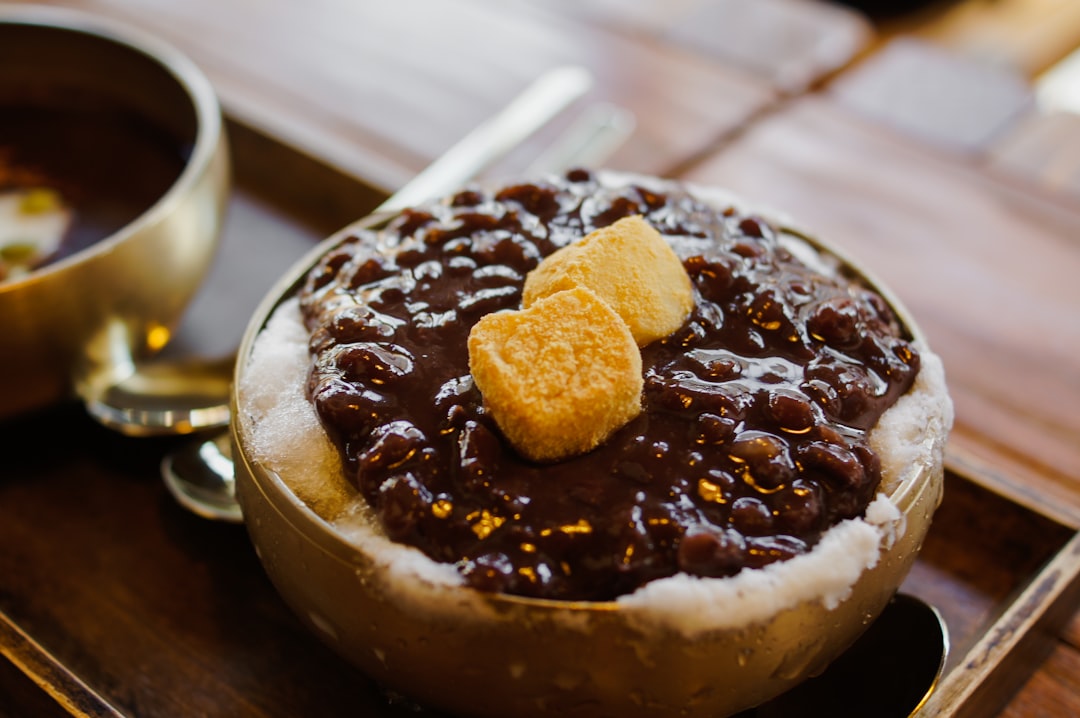
Traditional foods that were once served in royal courts or at feasts are being reborn with a modern twist. In particular, menus featuring rice cakes (tteok) or traditional sweets (hangwa) have become highly popular among both the younger generation and international tourists.
- Rice Cakes (Tteok): Chewy textures are highlighted in varieties like Injeolmi (soybean powder rice cake) or mugwort rice cake, now often reimagined as cakes or waffles.
- Traditional Sweets (Hangwa): Classics like yugwa or yakgwa have integrated into modern café menus, establishing themselves as premium, elegant snacks.
The Combination of Café Culture and Desserts
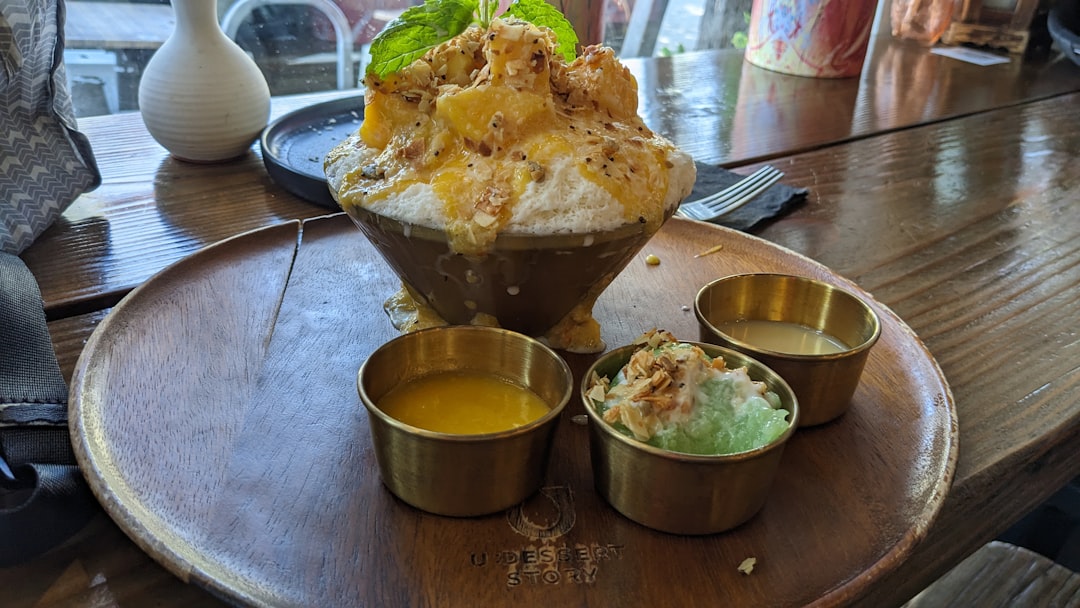
Korea is a country with a world-renowned café culture. These spaces are not just for drinking coffee; they operate as complex cultural venues where visitors enjoy visually stunning and delicious menu items. New menu items featuring seasonal fruits are released every season, offering visitors a unique and delightful experience.