K-Culture World

Food · 2026. 7. 24.

How to Make Delicious Bibimbap: The Aesthetics of a Healthy Five-Color Bowl

BY 김민중

From Olive Young to Lalavla! Your Ultimate Drugstore Shopping Guide to K-Beauty Trends

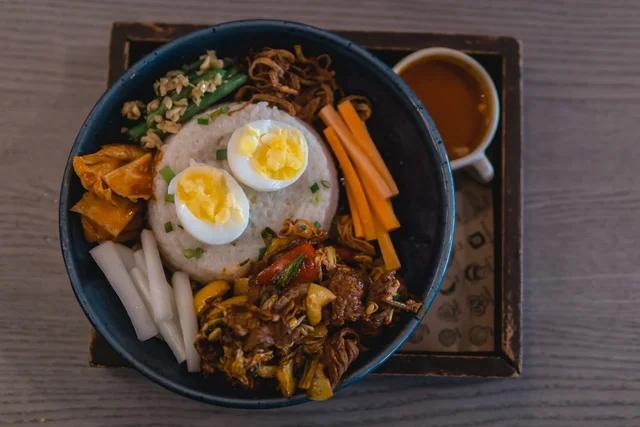
Harmony of Five-Colored Greens: The Basics of Bibimbap

Bibimbap is more than just vegetables on rice; it is a representative Korean dish that achieves nutritional perfection by harmoniously combining five-colored ingredients based on the principles of the five elements. The key to delicious Bibimbap is preserving the texture of the greens. Bean sprouts, bracken, bellflower root, and spinach must each be blanched or sautéed according to their specific characteristics. For instance, bean sprouts should be boiled with the lid on to remove any raw smell, while bellflower roots must be rubbed thoroughly in saltwater to extract bitterness. When seasoning the greens, use a base of soy sauce, minced garlic, and sesame oil, but keep the seasoning light to avoid overpowering the natural flavors of the vegetables. Furthermore, the rice should be cooked slightly firm so that it maintains the perfect texture when mixed with the moisture of the greens. Mixing a drop of sesame oil into freshly cooked rice beforehand enhances the aroma and helps it blend beautifully with the vegetables.

The Peak of Umami: The Golden Ratio for Bibimbap Sauce

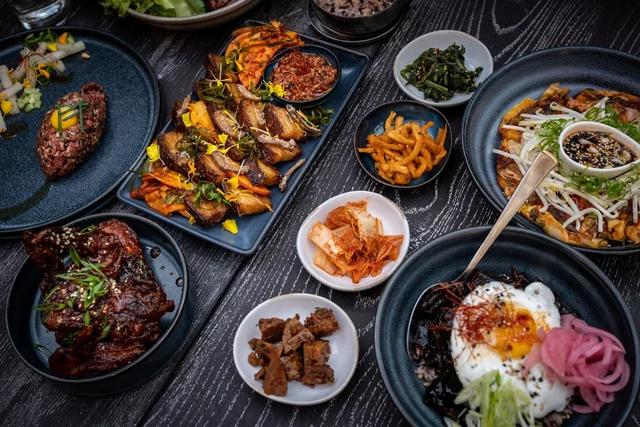
Ultimately, the sauce defines the flavor of Bibimbap. Instead of using store-bought gochujang alone, I recommend making a 'Yak-gochujang' (medicinal chili paste) by mixing gochujang with minced sautéed beef, minced garlic, oligosaccharide, plum extract, and sesame oil. Adding plum extract, in particular, cuts through the heaviness of the gochujang and adds a subtle sweetness and acidity that stimulates the appetite. Adding minced sautéed beef creates a much more luxurious flavor profile, and finishing it with a generous sprinkle of toasted sesame seeds elevates the dish to a professional level. If you prefer a cleaner taste, try a soy sauce-based dressing. Mixing soy sauce, sugar, minced green onions, sesame oil, and a touch of pear juice creates a light, refreshing Bibimbap that allows the fragrance of the greens to shine. A pro tip: use chopsticks instead of a spoon to gently mix the ingredients so you don't crush the rice grains.

Frequently Asked Questions

How should I prep Bibimbap greens for the best taste?+

Different greens require different blanching times. Boil bean sprouts for 3–5 minutes for a crisp texture, and blanch spinach briefly in boiling water before rinsing immediately in cold water to keep the color vibrant. Always add sesame oil last when seasoning to ensure the aroma stays rich and doesn't dissipate.

What meat toppings go well with Bibimbap?+

The most popular choice is sautéed beef top round marinated in soy sauce and sugar. For vegetarians, thinly sliced shiitake mushrooms sautéed in soy sauce provide a chewy texture and savory umami that rivals beef. Depending on your preference, you can also add beef tartare or sautéed pork.

Is there a way to make Bibimbap even healthier?+

Use brown rice, oats, or konjac rice instead of white rice to increase fiber intake and manage blood sugar spikes. Additionally, you can season the greens more lightly than usual and reduce the amount of gochujang, replacing it with perilla seed powder for added nuttiness and nutrition.

Share

Show us your style! Share with #kcultureworld on Instagram & TikTok.

About the author

김민중

Writes practical guides to Korean beauty and food for overseas readers — Olive Young, convenience stores, and how-to tips.

More from 김민중

Comments

No sign-up or login required.

No comments yet. Be the first to comment.