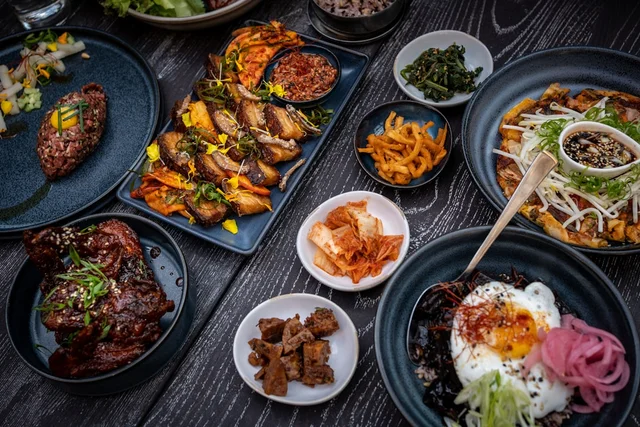
K-Culture World

Food · 2026. 7. 26.

The Charm of Korean Dessert Culture and 4 Representative Menus

BY 김민중

The Charm of Korean Dessert Culture and 4 Representative Menus

History and Characteristics of Korean Dessert Culture

Korean dessert culture began with the luxurious refreshments enjoyed in the royal court and has evolved into today's sophisticated cafe culture. For Koreans, enjoying dessert after a meal has become an important social medium for conversation and relaxation, going beyond just eating something sweet. In particular, Korean food culture is characterized by balancing a moderate sweetness while highlighting the natural flavors of the ingredients.

The Value of Traditional Desserts

  • Rice Cakes (Tteok): Made primarily from rice, these have a chewy texture and are an essential food for holidays and special occasions.
  • Traditional Confectionery (Hangwa): Sweets made by mixing grain flour with honey or grain syrup, known for their subtle sweetness and nutty flavor.
  • Sikhye and Sujeonggwa: Traditional fermented beverages that aid digestion after a meal and leave the palate feeling refreshed.

The Evolution of Modern Desserts

Korea's cafe industry has developed to a world-class level, introducing a variety of fusion desserts. Cakes and macarons utilizing traditional ingredients like red bean, mugwort, and black sesame are combined with modern sensibilities to provide a new gastronomic experience. Furthermore, Korean cafes prioritize interior design and visual perfection, aiming to delight both the eyes and the palate. This culture has become an integral part of the recreational activities enjoyed by the younger generation in Korea, transcending the simple act of enjoying a taste.
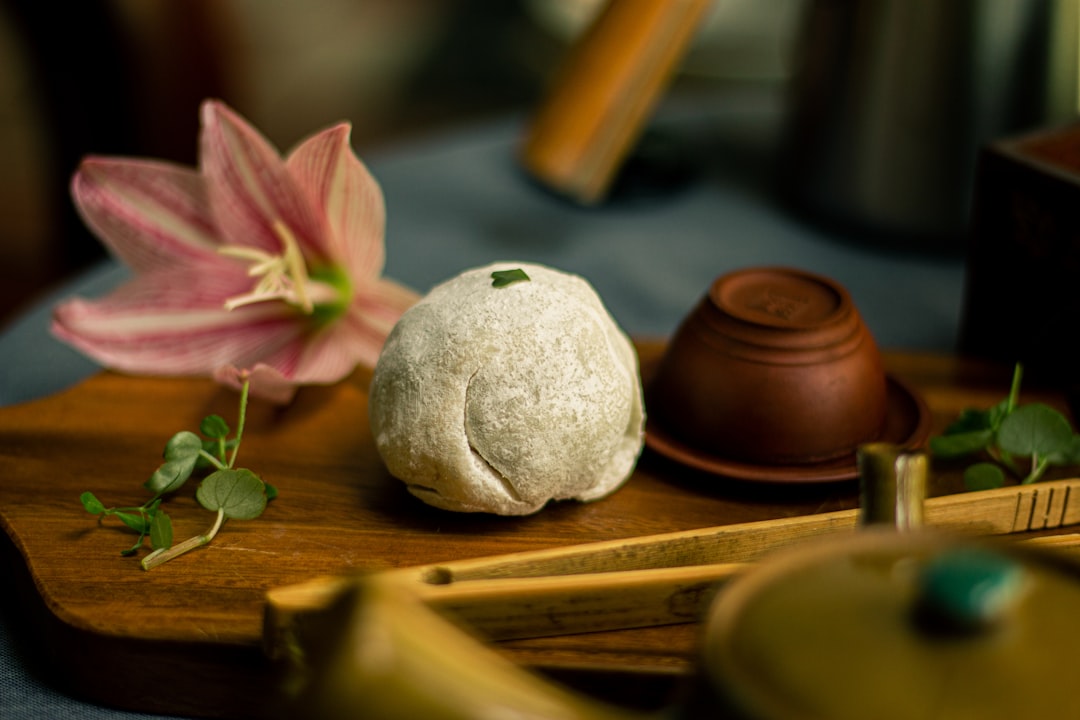

Cultural Souvenirs

SHOP THE LOOK: Traditional Tea Sets

Desserts commonly found in Korean cafes or on the streets each possess their own unique charm. Menus utilizing seasonal fruits are particularly popular, and desserts that emphasize unique textures are consistently loved.

Must-Try Signature Menus

  • Bingsu: A representative summer dessert consisting of shaved ice topped with sweet red beans, rice cakes, fruits, and more.
  • Hotteok: A winter street food made by filling wheat dough with sugar and nuts, then pan-frying it until crispy.
  • Yakgwa: A confection made by mixing flour, honey, and sesame oil, frying it, and then soaking it in grain syrup; it has recently become a very trendy menu item again.

Considerations When Choosing Desserts

When selecting Korean desserts, there is a wide range of choices depending on individual preference. If you prefer a mild taste, we recommend menus containing mugwort or black sesame; if you want something very sweet, we recommend cakes filled with chocolate or fruit. Additionally, the flavor of Korean desserts is enhanced when paired with tea or coffee. In particular, green tea or warm barley tea neutralizes the sweetness of the desserts, allowing for a balanced gastronomic experience.

Best Places to Enjoy Desserts in Korea

If you are visiting Korea or want to experience its flavors, you might wonder where to go. Korea has many unique dessert streets and cafe-dense areas that offer enjoyable options for travelers.

Dessert Hotspots by Region

  • Insadong: A place where traditional tea houses and hangwa specialty shops are gathered, making it the best place to experience authentic Korean flavors.
  • Seongsu-dong and Yeonnam-dong: Home to many trendy, independent cafes where you can experience modern fusion desserts.
  • Traditional Markets: A great place to enjoy affordable and delicious street desserts like hotteok and twisted doughnuts (kkwabaegi) in a lively atmosphere.

Tips for a Successful Dessert Tour

  • Research in Advance: Use social media platforms to check the menus of the latest trendy dessert cafes beforehand.
  • Choose Your Timing: Famous cafes can have long wait times on weekend afternoons, so it is better to visit on weekday mornings or early afternoons.
  • Check Pairings: Choosing the drink and dessert combinations recommended by the cafe will allow you to experience the most perfect harmony of flavors.

Korean dessert culture is constantly evolving. We encourage you to experience the world of Korean desserts, which never stops trying new things while preserving traditional flavors.

Cafe Tour Essentials

SHOP THE LOOK: Cafe Tour Essentials

Frequently Asked Questions

What is the significance of dessert in Korean food culture?+

For Koreans, dessert is more than just a finishing touch to a meal; it is an important social medium for conversing and relaxing with others. The royal court refreshment culture of the past has been inherited by modern cafe culture, establishing itself as a symbol of Korean gastronomy and leisure beyond the simple act of eating sweet food.

What are some types of traditional Korean desserts?+

Representative traditional desserts include chewy rice cakes (tteok) made from rice, traditional confectionery (hangwa) made with grain flour and honey, and beverages like sikhye and sujeonggwa that aid digestion. These traditional foods emphasize the natural, nutty, and subtle sweetness of the ingredients rather than artificial sugar, and are commonly enjoyed alongside tea.

How can I choose a good dessert cafe in Korea?+

When choosing a dessert cafe, it is best to first check the characteristics of the area and the cafe's signature menu. You can have a successful experience by choosing traditional areas like Insadong for tea and hangwa, or areas like Seongsu-dong or Yeonnam-dong for cafes specializing in trendy fusion cakes or bingsu.

Share

Show us your style! Share with #kcultureworld on Instagram & TikTok.

About the author

김민중

Writes practical guides to Korean beauty and food for overseas readers — Olive Young, convenience stores, and how-to tips.

More from 김민중

Related Posts

How to Make Delicious Bibimbap and Understanding Korean Traditional Food Culture

Food · 07/26/26

How to Make Delicious Bibimbap and Understanding Korean Traditional Food Culture

Bibimbap is a representative Korean traditional dish made by mixing rice with various seasoned vegetables, meat, and gochujang (red chili paste). Known for the perfect harmony of fresh seasonal vegetables and the sweet-and-spicy gochujang, Bibimbap is recognized as a nutritionally balanced meal and is loved worldwide as a healthy food choice.

Comments

No sign-up or login required.

No comments yet. Be the first to comment.