K-Culture World

Food · 2026. 7. 26.

The Joy of Korean Travel: A Guide to Street Food Varieties and How to Enjoy Them

BY 김민중

Essential Travel Guide for a Successful Visit to Korea

What Are the Types and Representative Dishes of Korean Street Food?

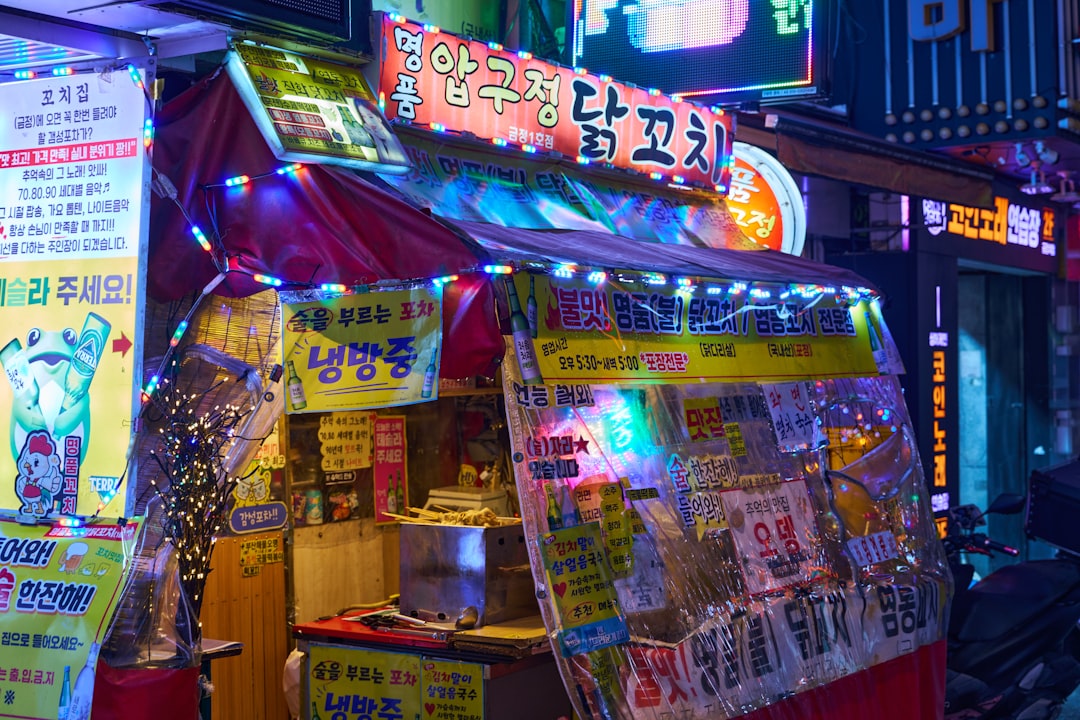
Korea's street food culture is incredibly dynamic and offers different charms with every season. The most popular items are spicy, gochujang-based Tteokbokki and hot fish cake broth. These dishes, which are also highly popular among foreign tourists, represent the heart of Korean 'Bunsik' (snack food) culture.

Representative Bunsik Dishes

  • Tteokbokki: Korea's ultimate soul food, made by simmering rice cakes and fish cakes in a spicy gochujang sauce.
  • Eomuk (Fish Cake): A winter essential, these fish cakes are skewered and served with a warm, savory broth.
  • Twigim (Deep-fried snacks): Squid, sweet potato, and seaweed rolls (gim-mari) are deep-fried until crispy; the standard way to eat them is by dipping them into the Tteokbokki sauce.

Korean street culture is highly sensitive to the seasons. In winter, the streets are filled with the scents of Bungeoppang (fish-shaped pastry), Hotteok (sweet pancakes), and roasted sweet potatoes, while refreshing Sikhye (sweet rice drink) or slushies gain popularity in the summer. Bungeoppang, in particular, has become a national snack enjoyed by all ages, made by baking batter filled with red bean paste or custard in a fish-shaped mold. It is recommended to carry some small cash, as these stalls often prefer cash or bank transfers. Additionally, visiting famous tourist spots like Myeong-dong or Gwangjang Market allows you to sample a wide variety of snacks in one place, adding to the joy of your culinary journey.

Korean Bunsik Set

SHOP THE LOOK: Korean Bunsik Set

Tips for Buying Street Food

There are a few convenient rules to keep in mind when using street food stalls. Since most operate as open-air kiosks, it is helpful to be aware of payment methods and hygiene practices beforehand.

Payment and Usage

  • Prepare Cash: Many stalls prefer cash payments, though bank transfers have become more common recently.
  • Self-Service: It is standard to pour your own fish cake broth into a paper cup, and soy sauce is often applied to food using a brush.
  • Queuing: Popular stalls can have long lines, so please be patient and wait your turn in an orderly fashion.

Hygiene and Convenience

If you are concerned about hygiene, it is best to choose stalls with high turnover where crowds gather. When eating, check for the location of trash cans provided near the stall, and be sure to dispose of your skewers or paper cups in the designated areas as a matter of etiquette. Carrying wet wipes will make your outdoor dining experience much more pleasant. Also, if you are not comfortable with very spicy food, it is a good idea to ask if the spice level can be adjusted before ordering.

Portable Hygiene Kit

SHOP THE LOOK: Portable Hygiene Kit

To truly experience Korea's vibrant street culture, we recommend visiting traditional markets and busy downtown areas. Each region offers unique snacks that add to the fun of your trip.

Famous Food Streets

  • Gwangjang Market: A place where you can taste traditional Korean snacks like Bindaetteok (mung bean pancake) and Mayak Gimbap all in one spot.
  • Myeong-dong Street: A representative tourist destination in Seoul packed with trendy snacks and a wide variety of street food.
  • Busan International Market: Here, you can experience unique Busan street foods like Ssiat Hotteok (seed-filled pancake) and Bibim Dangmyeon (spicy glass noodles).

Regional Specialties

Street food varies slightly by region. For example, '10-won bread' is famous in Gyeongju, while seed-filled Hotteok is iconic in Busan. These foods are the fastest and tastiest way to understand local culture. These snacks, which you can enjoy whenever you get hungry while traveling, will provide unforgettable memories. Rather than ordering too much at once, we recommend sharing several different types to experience a variety of flavors. If you see a place where locals are lining up, there is a high chance it is a local favorite, so keep an eye out!

Frequently Asked Questions

What is street food and what are the must-try dishes in Korea?+

Street food refers to snacks sold at street-side stalls or small kiosks. In Korea, the most iconic dishes are Tteokbokki, Eomuk (fish cake), Bungeoppang, and Hotteok. In particular, sweet and spicy Tteokbokki is the core of Korean Bunsik culture, and it tastes even better when paired with fried snacks.

Is cash payment mandatory when buying street food?+

Most street food stalls prefer cash, but many places now accept bank transfers. Since credit card payments are often difficult, it is convenient to carry some small cash or check in advance if digital payment services are accepted.

Are there ways to choose hygienic street food stalls?+

To choose a hygienic stall, look for places with high turnover where ingredients are fresh and customers are constantly visiting. Additionally, checking if the staff wears sanitary gloves during preparation and if the surrounding area is tidy will help ensure a safer and more enjoyable culinary experience.

Share

Show us your style! Share with #kcultureworld on Instagram & TikTok.

About the author

김민중

Writes practical guides to Korean beauty and food for overseas readers — Olive Young, convenience stores, and how-to tips.

More from 김민중

Related Posts

How to Make Delicious Bibimbap and Understanding Korean Traditional Food Culture

Food · 07/26/26

How to Make Delicious Bibimbap and Understanding Korean Traditional Food Culture

Bibimbap is a representative Korean traditional dish made by mixing rice with various seasoned vegetables, meat, and gochujang (red chili paste). Known for the perfect harmony of fresh seasonal vegetables and the sweet-and-spicy gochujang, Bibimbap is recognized as a nutritionally balanced meal and is loved worldwide as a healthy food choice.

Comments

No sign-up or login required.

No comments yet. Be the first to comment.