Why is Korean dessert culture so beloved?
Korean desserts have evolved into an independent culture, going beyond simple palate cleansers after a meal. The hallmark of Korean desserts is the harmony between the nutty flavors of traditional grain-based ingredients and modern sweetness. Recently, their visual splendor has gained global attention through social media.
Modern reinterpretations of traditional desserts
Tteok (rice cakes) and hangwa (traditional confectionery), once served at royal courts or feasts, have been reborn as modern cafe menu items. Cakes and macarons featuring mugwort, black sesame, and injeolmi (roasted soybean powder) are immensely popular among both the younger generation and international tourists.
- Tteok: Characterized by a chewy texture and the taste of natural ingredients.
- Hangwa: Uses honey and grain syrup to provide a subtle sweetness.
- Sujeonggwa and Sikhye: Traditional beverages that pair perfectly with desserts.
The combination of cafe culture and desserts
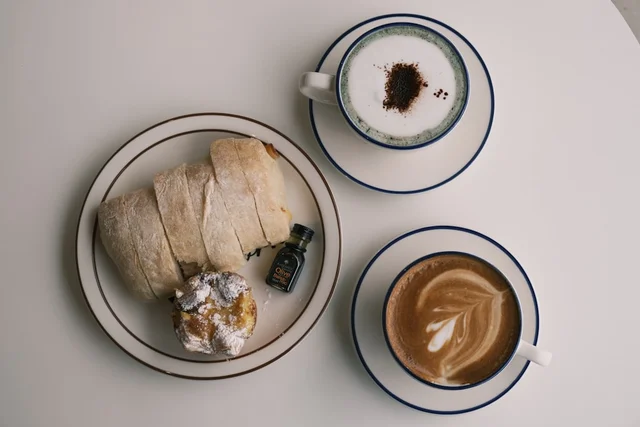
Korea is famous for its high density of cafes, where each shop competes by developing its own signature desserts. These spaces are not just for drinking coffee; they are cultural hubs for experiencing uniquely visual desserts.
- Seasonal menus: Desserts utilizing seasonal fruits like strawberries and peaches are released periodically.
- Visual-centric: Elaborate plating designed with photography in mind is common.
- Accessibility: You can easily find dessert cafes with various themes in any busy district.