K-Culture World

Food · 2026. 8. 29.

Dessert Trends and Popular Sweet Treats in Korea

BY 김민중

Dessert Trends and Popular Sweet Treats in Korea

What are the most beloved dessert types in Korea

Korean dessert culture has evolved extensively, ranging from traditional sweets once enjoyed by royalty to fusion styles that blend with a modern cafe culture. These sweet treats that have captured the hearts of Koreans are now establishing themselves as a new gourmet trend in the global market.

Hangwa and Tteok, the taste of tradition

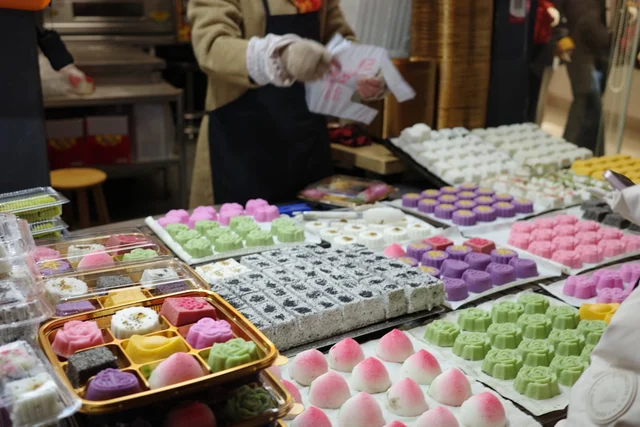
Traditional Korean snacks are characterized by their simple, healthy flavors using grains and natural ingredients. Rice cakes (tteok) are consumed not only during holidays but also as everyday snacks, and recently, fusion ingredients have been added to appeal to younger generations.

  • Yakgwa: A deep-fried pastry made with flour, honey, and oil; it has become so popular recently that it often sells out in convenience stores.
  • Injeolmi: Steamed glutinous rice cake coated in soybean powder, known for its savory and nutty flavor.
  • Sikhye: A traditional sweet rice beverage made from malt water, perfect for pairing with rice cakes.

Modern snacks born from cafe culture

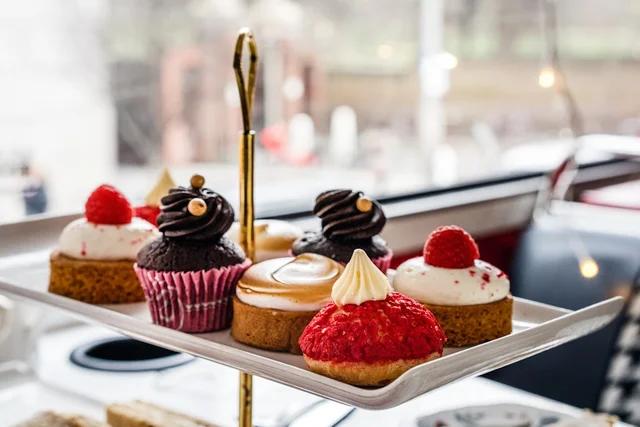
Korea is famous for its high density of cafes and high-quality dessert shops. New menus are released every month, considering not just sweetness but also visual appeal.

  • Macarons: While originating in France, the Korean-style 'Ttukaron' (fat macaron) is famous for its generous, thick filling and rich texture.
  • Bingsu: A representative summer favorite featuring shaved ice topped with red beans, fruit, and nuts.
  • Croffle: A croissant dough baked in a waffle iron, typically served with ice cream or fruit.
3 Key ways to enjoy desserts deliciously

To perfectly enjoy Korea's diverse sweet snacks, the combination with drinks and the order of consumption are important. Experience Korea's unique after-meal culture that satisfies all five senses beyond just eating something tasty.

Pairing tips for drinks and desserts

When eating highly sweet desserts, it is best to balance the flavors with bitter tea or coffee. In Korea, traditional teas and modern coffee menus are paired according to the occasion.

  • Red bean-based items pair well with warm green tea or Americano.
  • Cream-heavy cakes go well with clean black tea or refreshing ades.
  • Fruit-based snacks are best complemented by carbonated drinks for a crisp finish.

Visual delight and the 'proof shot' culture

Korean dessert cafes put great effort into interior design and plating. Taking photos of food before eating has become a form of play among the younger generation in Korea. Choosing visually beautiful snacks is a way to double the enjoyment.

  • Utilize window seats in cafes with plenty of natural light.
  • Take photos by considering the color harmony between the dessert and the drink.
  • Check out the cafe's signature menu to experience their unique flavors.
Home Cafe Dessert Sets

SHOP THE LOOK: Home Cafe Dessert Sets

Korea has four distinct seasons, offering special snacks made with seasonal ingredients. Tasting menus that change with the seasons is one of the greatest joys of a culinary trip to Korea.

Refreshing snacks for spring and summer

As the weather warms up in spring and summer, cold menu items gain immense popularity. Menus featuring seasonal fruits like strawberries, watermelons, and peaches become hot topics as soon as they are released.

  • Strawberry Bingsu: A limited-edition menu available only in the spring, characterized by the freshness of raw strawberries.
  • Watermelon Juice: A representative drink for quenching summer thirst, emphasizing the natural flavor of the fruit over artificial sweetness.

Warm snacks for autumn and winter

When cold winds begin to blow, warm snacks using sweet potatoes, chestnuts, and pumpkins appear on streets everywhere. Korean winter street food is a precious treat that melts away the cold.

  • Roasted Sweet Potatoes and Chestnuts: Common street snacks in winter, whose savory aroma makes passersby stop in their tracks.
  • Hotteok: A pancake filled with a mixture of sugar, nuts, and cinnamon, fried in oil; it is the most popular winter menu item.
  • Bungeoppang: A fish-shaped pastry filled with red bean paste or custard; recently, fusion versions with various fillings have also emerged.
Seasonal Dessert Picks

SHOP THE LOOK: Seasonal Dessert Picks

Frequently Asked Questions

What is the significance of desserts in Korean food culture?+

In Korean food culture, desserts are a pleasure that rounds off a meal and an important medium for socializing and relaxing with friends. While people traditionally enjoyed rice cakes or hangwa, a modern culture centered around cafes offering various fusion snacks has taken root, becoming a source of daily vitality.

Can you recommend representative traditional Korean desserts?+

Representative traditional Korean desserts include yakgwa, injeolmi, sikhye, and dried persimmons. Yakgwa, in particular, has seen a resurgence in popularity among the youth for its chewy texture and sweet taste. Injeolmi, a type of rice cake, is loved by all ages for its harmony of nutty soybean powder and chewy texture.

How can I enjoy Korean desserts the best way?+

The best way to enjoy desserts is to consider the harmony with the accompanying drink. Sweet snacks feel more flavorful when paired with bitter coffee or tea. Additionally, choosing items that use seasonal ingredients is highly recommended, as it allows you to fully experience fresh and healthy flavors.

Share

Show us your style! Share with #kcultureworld on Instagram & TikTok.

About the author

김민중

Writes practical guides to Korean beauty and food for overseas readers — Olive Young, convenience stores, and how-to tips.

More from 김민중

Comments

No sign-up or login required.

No comments yet. Be the first to comment.