K-Culture World

Food · 2026. 8. 27.

Exploring Dessert Trends and the Charm of Korean Sweet Treats

BY 김민중

Exploring Dessert Trends and the Charm of Korean Sweet Treats

Why Dessert Culture is Beloved in Korea

In recent years, Korea's dessert culture has evolved beyond a simple post-meal palate cleanser into an independent gastronomic experience. Koreans enjoy traveling to cafes with aesthetic interiors, distinct from their dining locations, and the visually stunning and delicious treats served there are gaining global attention via social media. This cultural backdrop is rooted in Korea's unique aesthetic sensibility and a creativity that harmoniously blends traditional and new ingredients.

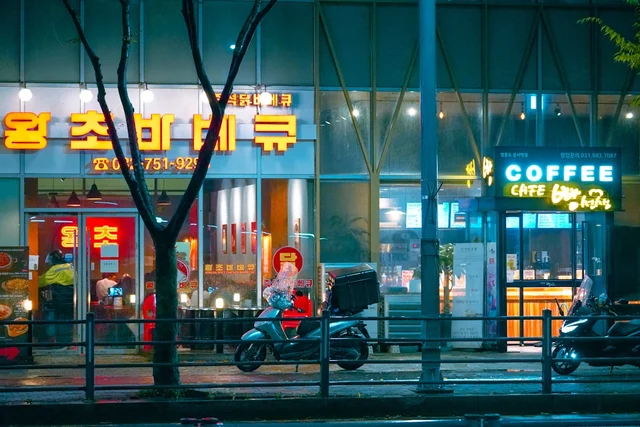
The Combination of Cafe Hopping and Desserts

  • Korean cafes prioritize the harmony between the space's atmosphere and the menu, rather than just serving coffee.
  • Creative menus utilizing unique local ingredients are consistently being developed in each region.
  • A hallmark of these cafes is the introduction of limited-edition seasonal menus featuring fresh fruits.

The Harmony of Visual Pleasure and Gastronomy

An essential element of Korea's cafe culture is the visual presentation of the menu. Elaborately decorated cakes and drinks topped with vibrant garnishes are optimized for social media photos. This goes beyond just enjoying the flavor; it maximizes visual satisfaction, gifting visitors with special memories. Furthermore, Korea is creating familiar yet novel tastes by incorporating traditional ingredients like red beans, black sesame, and injeolmi (roasted soybean powder) into Western-style bakeries. These fusion attempts provide a fascinating experience for foreigners and showcase Korea's unique identity where tradition and modernity coexist.
Types of Korean Desserts Blending Tradition and Modernity

Korean snacks span a wide spectrum, starting from traditional hangwa to modern fusion bakeries. While the past was dominated by tteok and yugwa made primarily from rice and grains, today, Western snacks like croffles and macarons, reinterpreted for the Korean palate, are gaining immense popularity.

Representative Traditional Snacks

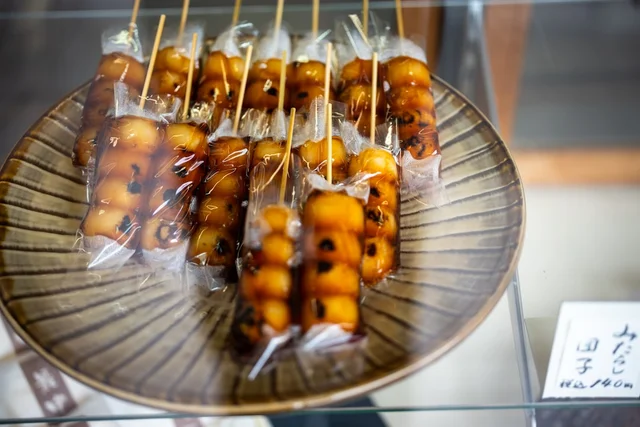
  • Tteok: Made by steaming glutinous or non-glutinous rice, often filled with red bean paste or nuts for a nutty flavor.
  • Hangwa: Confectionery made by mixing honey and grains, traditionally enjoyed during holidays or special occasions.
  • Sikhye and Sujeonggwa: Traditional beverages made with grains or cinnamon, respectively, which help with digestion after oily meals.

Characteristics of Modern Fusion Desserts

The modern Korean snack market is constantly evolving. The croffle—a croissant dough baked in a waffle iron—is a prime example of a trend that originated in Korea and spread globally. Additionally, bread filled with sweet cream between soft castella, or lattes topped with black sesame cream, are considered top-tier menus that maximize Korea's signature nutty and sweet flavor profiles. These menus have been refined to adjust sweetness and improve texture for the Korean palate, ensuring they appeal to everyone regardless of age. If you visit Korea, I highly recommend experiencing these fusion menus.

A Guide to Fail-Proof Dessert Choices

To choose something that suits your taste among countless menus, you need a few criteria. Understanding keywords frequently seen on menus and the characteristics of popular items at Korean cafes will lead to a much more satisfying choice. Notably, Korea has a strong preference for 'dan-jjan' (sweet and salty) and 'nutty' flavor profiles.

Points to Consider When Choosing

  • If you prefer nutty flavors, choose menus containing black sesame, injeolmi, or mugwort.
  • If you want something refreshing, cakes topped with seasonal fruits (strawberries, shine muscat, etc.) are a great choice.
  • If you find things too sweet, it is recommended to order alongside a drink where you can adjust the sweetness level.

Checklist for Cafe Visits

Every Korean cafe has its own signature menu. It is recommended to check the cafe's social media accounts beforehand to identify which items are most popular. Also, since popular items at dessert cafes can sell out early after the evening hours, visiting during the day is recommended if you have your heart set on a specific menu. Korean cafe staff are generally very friendly and often provide detailed explanations of the menu, so don't hesitate to ask if you have any questions. Use these tips to fully enjoy the sweet charm of Korea.

Frequently Asked Questions

What is the significance of dessert in Korea?+

In Korea, dessert signifies a precious time of rest enjoyed with friends or family after a meal. It has become deeply embedded as a unique cafe culture where people go beyond the act of eating to find visual pleasure and emotional satisfaction in beautiful cafe spaces.

Can you recommend traditional Korean desserts?+

For traditional Korean desserts, I recommend the chewy texture of tteok and the nutty flavor of hangwa. In particular, injeolmi, which is coated in bean powder, is a representative snack where you can best experience the nutty Korean flavor, and it pairs perfectly with traditional beverages like sikhye.

Where should I go to find delicious desserts?+

To find delicious desserts, I recommend visiting famous cafe streets such as Seongsu-dong, Yeonnam-dong, and Garosu-gil in Seoul. These areas are packed with trendy bakeries and cafes offering creative menus, making them the optimal places to see the latest Korean snack trends at a glance and taste them yourself.

Share

Show us your style! Share with #kcultureworld on Instagram & TikTok.

About the author

김민중

Writes practical guides to Korean beauty and food for overseas readers — Olive Young, convenience stores, and how-to tips.

More from 김민중

Comments

No sign-up or login required.

No comments yet. Be the first to comment.