Why is Korean dessert culture so special?
Korean dessert culture has evolved beyond simple sweet snacks enjoyed after a meal into an important social space for interaction and relaxation. Recently, creative menus that reinterpret traditional ingredients in a modern way have captured the palates of people around the world.
Using seasonal ingredients that reflect the time of year
Korean snacks actively utilize seasonal ingredients that change throughout the year. In spring, mugwort or strawberries are used, while in autumn, pumpkin or chestnuts are popular. This approach of highlighting the natural flavors of ingredients is the core of Korean gastronomy.
- Seasonal fruit usage: Bingsu (shaved ice) or cakes using fresh strawberries, Shine Muscat, or ripe persimmons
- Grain-based nuttiness: Savory flavors using black sesame, soybean powder, and red beans
- Healthy sweetness: Reducing sugar and adding flavor with grain syrup or honey
Cafe culture that values space and experience
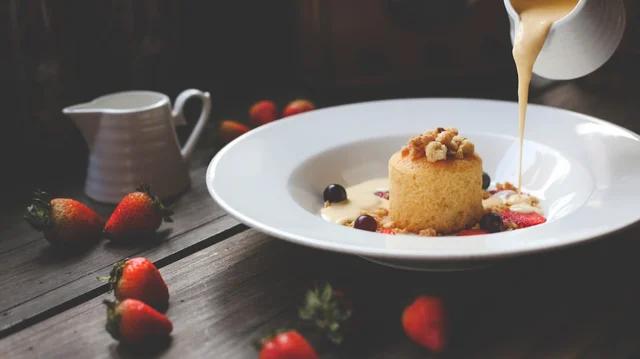
Enjoying dessert in Korea is more than just the act of eating; it is a process of experiencing cafe spaces with unique interiors and atmospheres. Each cafe develops its own signature menu to provide visitors with both visual pleasure and gustatory satisfaction. In particular, the desserts are characterized by elaborate and beautiful shapes, making them highly photogenic for social media.