How Korean Dessert Culture Has Evolved
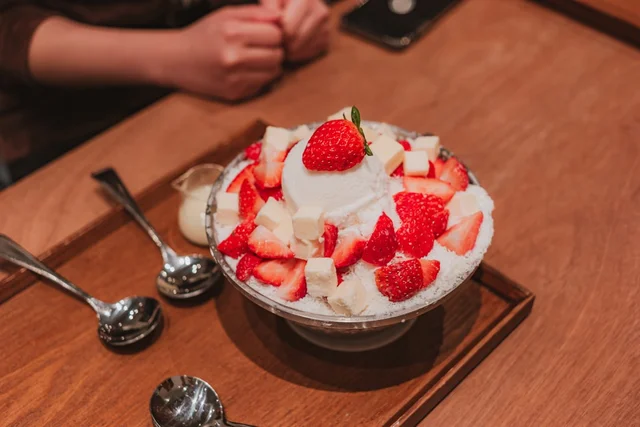
In modern Korean society, desserts have evolved beyond simple after-meal treats to become cultural icons. From traditional snacks once enjoyed in the royal court to sophisticated menus offered in contemporary cafes, the Korean dessert market is characterized by its ability to provide both unique flavors and visual delight. Recently, visually striking menus have gained immense popularity through social media.
Modern Reinterpretation of Traditional Snacks
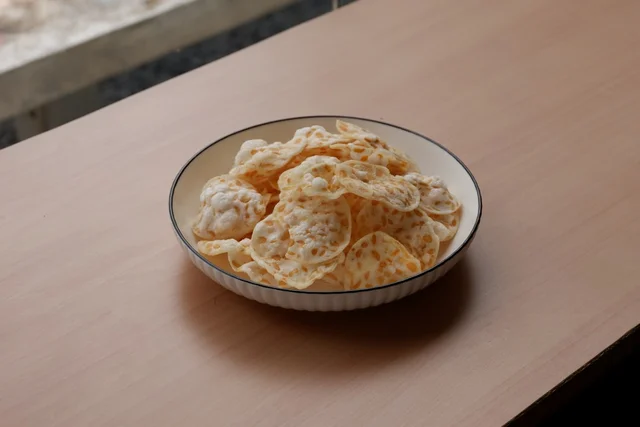
Traditional Korean snacks, known as 'hangwa,' are being re-evaluated by the younger generation under the label 'K-Dessert.' Using rice, honey, and nuts as primary ingredients, hangwa emphasizes natural flavors rather than artificial sweetness.
- Yakgwa: A fried pastry made from wheat flour, honey, and oil, which has recently become highly popular for its chewy texture.
- Tteok (Rice Cakes): Various rice cakes containing red beans, beans, or nuts are also popular as meal replacements.
- Sikhye and Sujeonggwa: Traditional beverages that pair perfectly with snacks due to their clean, refreshing taste.
The Spread of Cafe Culture and Desserts
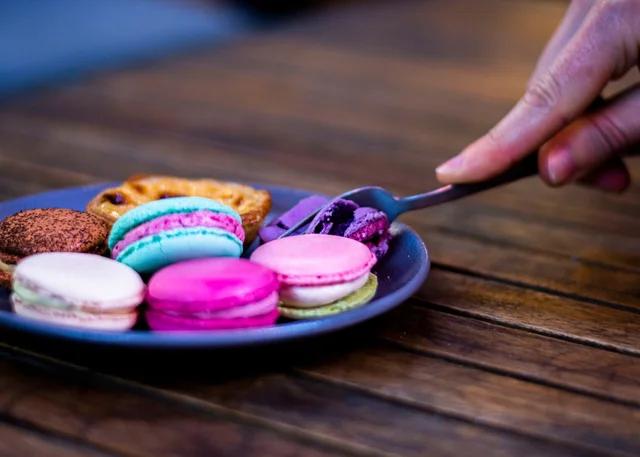
Korea is one of the countries with the highest cafe density in the world. Cafes have developed into cultural spaces where people experience unique desserts rather than just drinking beverages. Fusion styles combining Western-style baking with Korean ingredients are frequently seen here. For instance, cakes and macarons made with black sesame or injeolmi (roasted soybean powder) are very popular among foreign tourists and serve as an important medium for conveying Korea's unique flavors.