K-Culture World

Food · 2026. 8. 3.

A Guide to Street Food Varieties and the Charming Flavors of Korea's Traditional Markets

BY 김민중

Essential Travel Guide for a Successful Visit to Korea

What are the characteristics of Korean street food culture?

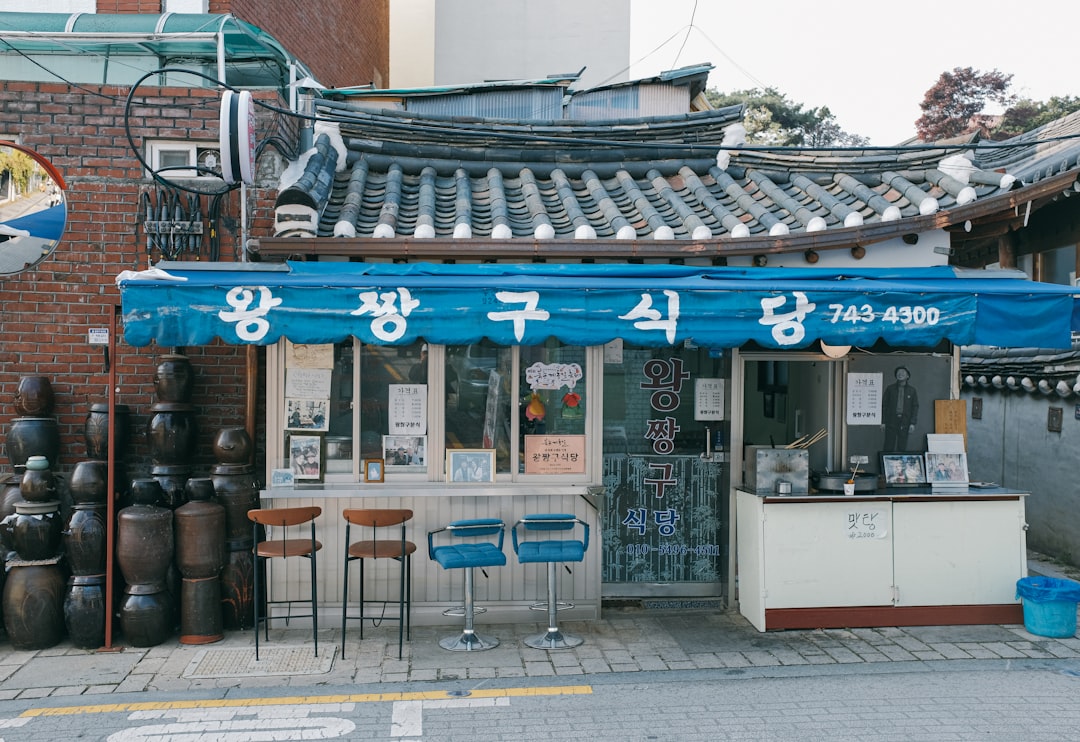
Korea's street food culture offers a gastronomic experience that can be enjoyed quickly and conveniently even in the midst of a busy daily life. Beyond simply satisfying hunger, a colorful array of menus reflecting Korean sentiment and seasonality has developed, centered around traditional markets and bustling downtown areas. For foreign travelers, it is also the best way to experience Korean food culture up close.

Characteristics of major street food

  • Accessibility: You can easily find them in high-foot-traffic areas such as near subway stations or at market entrances.
  • Value for money: Many items are sold in small portions, allowing you to sample a variety of flavors at an affordable price.
  • Seasonality: Menus change with the seasons, focusing on warm soups and bungeoppang (fish-shaped pastry) in winter, and refreshing drinks and snacks in summer.

How to enjoy street food

When enjoying street food in Korea, it is a good idea to prepare cash or convenient payment methods in advance. While card payments have become more common recently, cash is often useful at small stalls in traditional markets. Additionally, using the standing-room areas provided near the stalls after purchasing food, or taking it to go to enjoy comfortably at your accommodation, are also great options. For hygiene, making a habit of washing your hands before eating or carrying wet wipes will make your gourmet trip even more pleasant.
4 representative street food menus you must try

The menus most preferred by travelers visiting Korea are steady sellers that have been loved for a long time. There is a wide range of choices to suit your taste, from spicy to sweet, and each menu has its own unique preparation and way of being enjoyed.

Essential menu list

  • Tteokbokki: Korea's representative snack made of chewy rice cakes tossed in a spicy and sweet gochujang-based sauce.
  • Eomuk (Fish cake): A skewer dish enjoyed with a warm broth made from anchovies and kelp, popular in cold weather.
  • Hotteok: A sweet dessert made by filling wheat dough with sugar, nuts, and other ingredients, then pan-frying it in oil.
  • Dakgangjeong: A dish consisting of crispy fried chicken tossed in a sweet sauce and served in bite-sized pieces.

If you are not accustomed to the spiciness of Korean food, we recommend asking for 'mild' when ordering tteokbokki, or pairing it with eomuk broth to neutralize the heat. Dakgangjeong is often sold in cups, making it easy to eat on the go, and hotteok is very hot when freshly made, so it is best to take small, careful bites. Sharing a variety of foods and finding your favorite snack is a great joy of traveling.

Korean Snack Meal Kits

SHOP THE LOOK: Korean Snack Meal Kits

Tips for visiting traditional markets for a street food tour

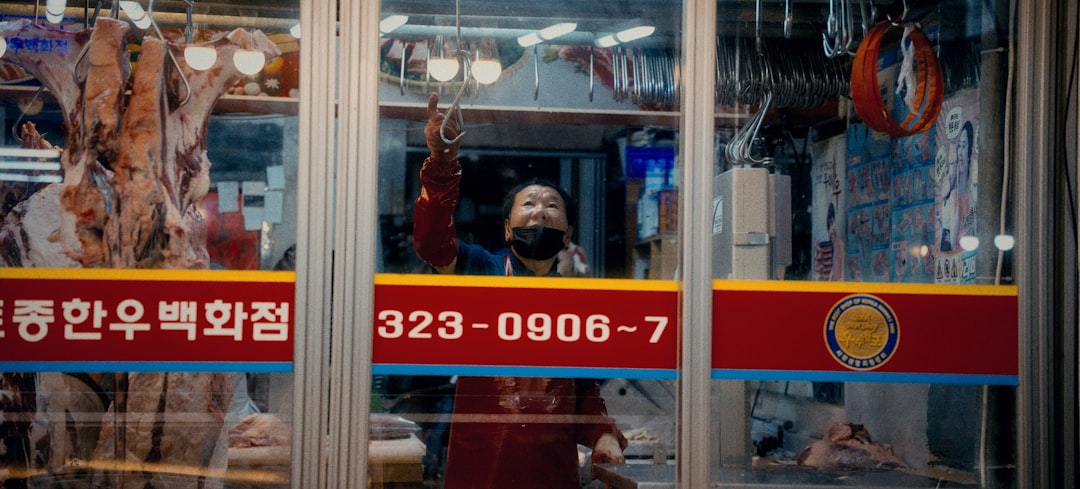
Korea's traditional markets are dense with various foods, often called the holy land of street food. Famous places like Gwangjang Market or Mangwon Market welcome travelers with their own unique menus. A market tour is the optimal place to observe the vibrant lives of locals while enjoying gourmet food at the freshest and most affordable prices.

Market tour checklist

  • Visit time: Between 2:00 PM and 6:00 PM is when the markets are most vibrant and a variety of food is prepared.
  • Menu combination: Rather than visiting alone, it is more efficient to go with friends, order several menus, and share them.
  • Hygiene status: Popular stalls with high foot traffic have high turnover, which means ingredients are more likely to be fresh.

Precautions when using the market

Markets are crowded spaces, so be mindful of your belongings. Also, when standing in front of a stall to eat, use etiquette to ensure you are not blocking the path for others. After finishing your food, it is standard practice to hand your trash to the stall owner or dispose of it in a designated trash can. Enjoy the warm atmosphere of the market, treat local merchants with courtesy, and experience the warm heart of Korea.

Frequently Asked Questions

Where can I find the best street food in Korea?+

Street food can be found in a wide variety of places, including traditional markets and busy streets with high foot traffic, such as Gwangjang Market, Mangwon Market, and Myeong-dong in Seoul. Traditional markets, in particular, are the best places to experience authentic Korean flavors at fresher and lower prices, as there are many stalls frequented by locals.

Which Korean street food menus do you recommend for foreigners?+

Among street foods, the most popular menus for foreigners are definitely tteokbokki and dakgangjeong. If you are not good with spicy food, we recommend trying soy-based dakgangjeong or warm eomuk soup first, and if you like sweet flavors, you must try hotteok.

Is it only possible to pay with cash for street food?+

While street food vendors used to only accept cash in the past, many stalls have recently introduced card payment or simple payment systems. However, very small stalls may still prefer cash, so it is more convenient to have a small amount of cash prepared in advance.

Share

Show us your style! Share with #kcultureworld on Instagram & TikTok.

About the author

김민중

Writes practical guides to Korean beauty and food for overseas readers — Olive Young, convenience stores, and how-to tips.

More from 김민중

Related Posts

How to Make Delicious Bibimbap and the Harmonious Appeal of Korean Cuisine

Food · 08/03/26

How to Make Delicious Bibimbap and the Harmonious Appeal of Korean Cuisine

Bibimbap is a representative traditional Korean dish made by mixing fresh vegetables, meat, and gochujang (red chili paste) with rice. It is characterized by its excellent nutritional balance and the ability to add various ingredients based on personal preference. This guide details the core components of Bibimbap, the steps to prepare it deliciously, and its significance within Korean food culture.

Comments

No sign-up or login required.

No comments yet. Be the first to comment.