Why is Korean dessert culture so beloved
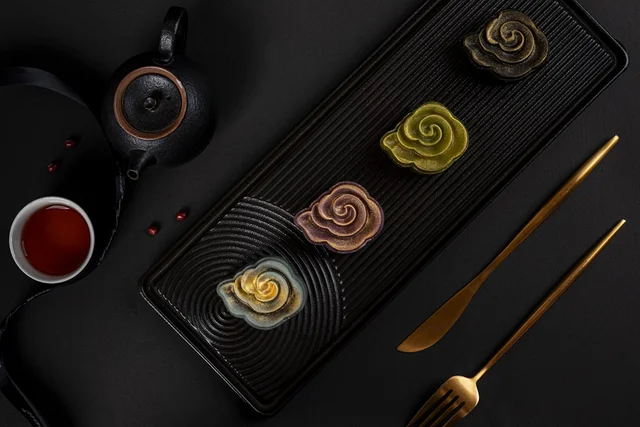
Korean desserts go beyond being just sweet treats eaten after a meal; they reflect a unique food culture that values the changing seasons and the natural flavors of ingredients. Recently, fusion-style treats that incorporate modern trends into traditional snacks have gained popularity, offering a variety of menus that satisfy both the eyes and the palate. A key characteristic of Korean snacks is that they are not overly sweet, allowing the inherent flavors of the ingredients to shine.
Harmony of ingredients and aesthetics
Traditional Korean snacks primarily use ingredients sourced from nature, such as rice, beans, red beans, and nuts. These ingredients provide a healthy yet deep flavor, and the snacks are known for their neat and visually appealing presentation.
- Chewy rice cakes made with rice flour
- Toppings featuring red beans and nuts for added nuttiness
- A balanced flavor profile that pairs perfectly with tea
Modern interpretations of dessert
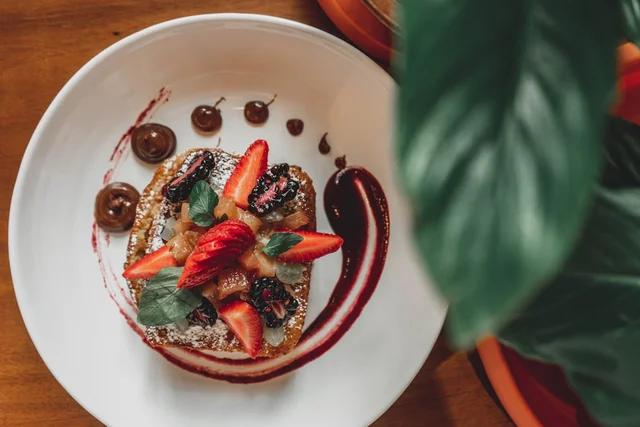
As more cafes reinterpret tradition with a modern twist, these spots have become highly popular among both the younger generation and international tourists. Cakes and ice creams using traditional ingredients like black sesame, injeolmi (roasted soybean powder), and mugwort deliver unique Korean flavors. These changes are enriching the Korean snack market and helping more people experience the taste of Korea. Above all, this field highlights Korea's unique creativity in finding new combinations without losing the essence of the ingredients.