K-Culture World

Food · 2026. 9. 2.

The Charm of Dessert Culture and Must-Try Sweet Recommendations in Korea

BY 김민중

The Charm of Dessert Culture and Must-Try Sweet Recommendations in Korea

What are the characteristics of dessert culture in Korea?

Korean dessert culture has transcended the simple act of eating something sweet after a meal; it has become an important social activity for connecting with friends and taking a break. Recently, the Korean dessert market has seen immense popularity in menus that reinterpret traditional flavors with a modern sensibility, offering a fascinating experience for international visitors as well.

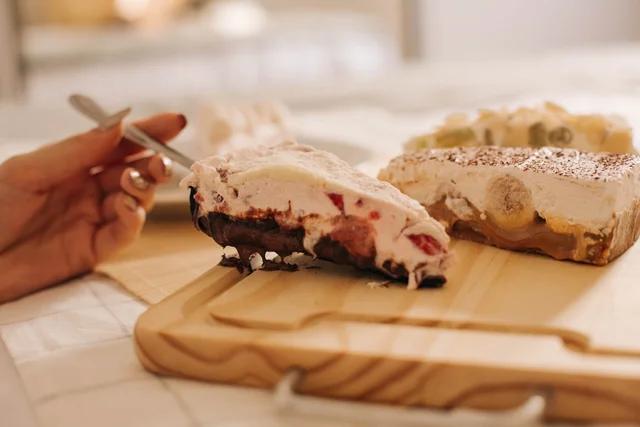
Korea is world-renowned for its high density of cafes, and each establishment develops signature menus to stay competitive. It is not just about drinking coffee; there is a strong emphasis on elaborate plating that provides visual enjoyment.

  • Bingsu and cakes featuring seasonal fruits
  • Instagrammable visuals designed for social media photography
  • Premiumization of local ingredients and regional specialties

Harmony of Tradition and Modernity

Rice cakes and hangwa, once reserved for holidays, have transformed into trendy snacks enjoyed by the younger generation. For example, macarons or cakes infused with red bean, black sesame, or injeolmi (roasted soybean) powder are unique fusion menus you can only taste in Korea. This evolution combines the nutty, healthy flavors of traditional ingredients with modern textures, making them accessible to all ages. For international tourists, this is a wonderful opportunity to experience traditional Korean aesthetics in a modern way.
If you are visiting Korea or want to experience authentic Korean flavors, there are iconic menus you must try. These widely popular items are celebrated for their depth of flavor and perfect harmony.

Bingsu and Korean-style Ice Cream

Korean bingsu consists of finely shaved milk ice topped with ingredients like red beans, rice cakes, and fruits. It is a beloved national snack enjoyed not just in summer, but throughout all four seasons.

  • Milk Bingsu: The rich flavor of smooth milk ice
  • Red Bean Bingsu (Patbingsu): The deep sweetness of house-boiled red beans
  • Fruit Bingsu: Refreshing treats piled high with seasonal fruits

Fusion Rice Cake Desserts

Rice cake desserts that reinterpret tradition by adding cream cheese, chocolate, or nuts are highly popular. They are characterized by maintaining the chewy texture while expanding the range of flavors.

Bungeoppang and Street Snacks

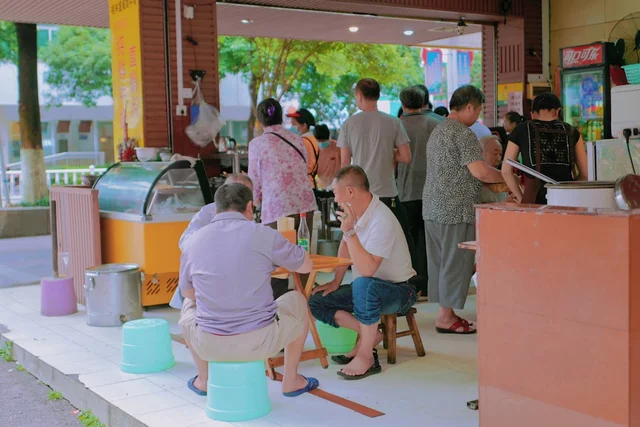
Bungeoppang, the quintessential winter snack, has evolved beyond red bean to include fillings like custard, sweet potato, and even pizza flavors. The harmony of a crispy, freshly baked exterior and warm filling is the essence of Korean winter desserts. These street snacks offer high satisfaction at an affordable price and are comfort foods filled with Korean sentiment. Buying a bungeoppang from a street vendor provides a small but certain happiness during your travels in Korea.

How can you enjoy desserts even more?

To properly enjoy Korean desserts, it is important to choose a drink that complements your menu. Korean cafes offer a wide variety of teas and beverages beyond coffee to help balance the flavors.

Pairing Tea and Dessert

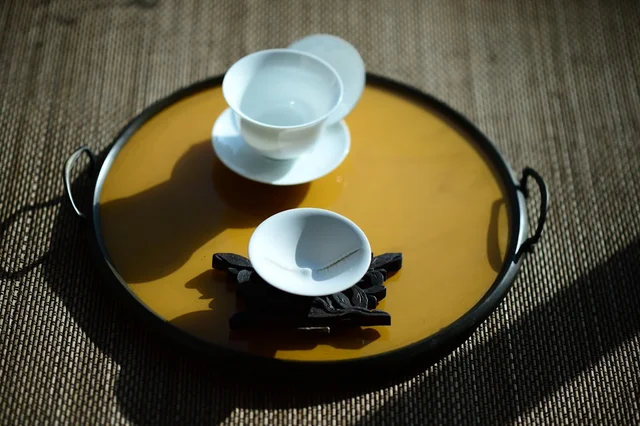
Bitter tea pairs perfectly with sweet desserts. For rice cakes or hangwa, it is recommended to enjoy them with traditional Korean teas like sujeonggwa (cinnamon punch), sikhye (sweet rice drink), or warm green tea.

  • Sujeonggwa: The spicy kick of cinnamon and ginger balances the sweetness
  • Sikhye: Features the texture of rice grains and a subtle sweetness
  • Green Tea: Effectively cleanses the palate

Cafe Hopping Tips

When visiting famous cafe streets in Korea, it is a good idea to check for signature menus online beforehand. Recently, there has been an increase in reservation-only cafes and specialty shops offering dessert course menus.

  • Stay updated on the latest dessert trends via social media
  • Visit during weekday afternoons for a more relaxed experience
  • Enjoy the cafe's interior and atmosphere as part of the experience

Korean dessert cafes have evolved beyond simple food vendors into complex cultural spaces where you can experience Korean design and lifestyle. If you want to sample a variety of items, visiting with friends and ordering different types to share is a great way to enjoy them. As Korean dessert culture continues to evolve and develop, there is always the fun of discovering new flavors with every visit.

Frequently Asked Questions

What is the significance of dessert in Korean food culture?+

In Korean food culture, dessert has become an important social activity for connecting with others and relaxing, rather than just a post-meal wrap-up. It is about more than just eating something sweet; the core of Korean dessert culture lies in enjoying both visual pleasure and a gourmet experience within the space of a cafe.

What are some famous types of Korean desserts?+

Famous Korean desserts include bingsu, which features finely shaved milk ice topped with red beans and rice cakes; fusion rice cakes that reinterpret traditional recipes; and bungeoppang, a popular winter street food. Additionally, various cakes and drinks utilizing seasonal fruits are widely loved.

How can I properly enjoy Korean desserts?+

To fully enjoy desserts, we recommend pairing them with traditional Korean teas like sujeonggwa or sikhye, or a clean-tasting green tea to neutralize the sweetness. Since Korea has a highly developed cafe culture, checking social media for signature menus in the area before you visit will ensure a more satisfying experience.

Share

Show us your style! Share with #kcultureworld on Instagram & TikTok.

About the author

김민중

Writes practical guides to Korean beauty and food for overseas readers — Olive Young, convenience stores, and how-to tips.

More from 김민중

Comments

No sign-up or login required.

No comments yet. Be the first to comment.