K-Culture World

Food · 2026. 7. 24.

The Ultimate Guide to Korean Street Food: Top 5 Must-Eats from Myeongdong to Gwangjang Market

BY 김민중

Seoul Travel Guide: The Perfect 3-Day K-Culture Itinerary

The Start of Korean Street Food: The Classics of Bunsik

The heart of Korean street food is undoubtedly 'Bunsik' (flour-based snacks). The first dish that comes to mind is 'Tteokbokki,' famous for its sweet and spicy sauce. You can choose between chewy rice cakes or soft wheat cakes based on your preference, and dipping fried snacks and sundae (blood sausage) into the Tteokbokki sauce is the ultimate golden combination loved by all Koreans. In particular, the 'drug gimbap' (addictive mini rolls) at Gwangjang Market is an absolute must-try when dipped in its signature mustard sauce. This Bunsik culture is deeply tied to the street stall scene; as you walk through the streets in the evening, the savory aroma of fried food will naturally make you stop in your tracks. If you're a first-time visitor to Korea, try pairing your Tteokbokki with a cup of warm fish cake broth. The savory, piping-hot broth is the perfect finishing touch to any street food meal and the best companion to warm your body on a chilly day.
Sweet Temptations: The Kings of Winter Snacks

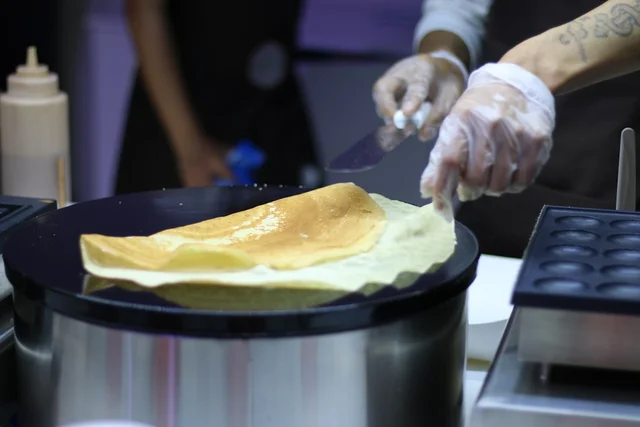
Winter in Korea is known as the season of Bungeoppang (fish-shaped pastry) and Hotteok (sweet pancakes). Recently, Bungeoppang has evolved beyond traditional red bean and custard fillings, with 'fusion' versions filled with pizza, sweet potato, or chocolate becoming a huge hit among the younger generation. Hotteok, pan-fried until crispy on the outside and chewy on the inside with a center of sweet syrup, is the hallmark of Korean street food. The Busan-style seed Hotteok, packed with crunchy seeds, has become an essential stop for travelers. These snacks offer a simple, affordable happiness that is unique to Korean culture. The joy of biting into a freshly baked, steaming hot Bungeoppang on the street will be an unforgettable memory of your trip. As many stalls still prefer cash, it’s a smart tip to keep a little bit of physical currency on hand when exploring.

Frequently Asked Questions

Can I only pay with cash for Korean street food?+

While cash was the standard in the past, many stalls in major tourist areas like Myeongdong and Hongdae now accept card payments, bank transfers, or mobile payment services like KakaoPay. However, some smaller stalls may still only accept cash, so it is convenient to carry about 10,000 KRW in small bills.

I'm worried about hygiene. How should I choose where to eat?+

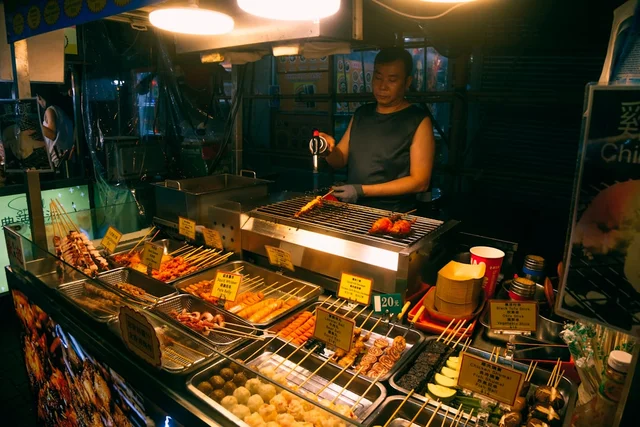
Places with high foot traffic and fast turnover, such as Gwangjang Market or Myeongdong, generally maintain fresh ingredients. Additionally, you can feel more at ease by choosing stalls where the cooking process is visible and checking if the vendor is wearing sanitary gloves.

What is the best street food for a foreigner to try?+

If you don't handle spicy food well, we recommend sweet Hotteok or Gyeran-ppang (egg bread). If you want to enjoy the spice, Tteokbokki is a must, but beginners might want to start with a 'mild' version or 'cheese Tteokbokki.' Also, try the Korean-style hot dog, which is uniquely coated in sugar and drizzled with plenty of ketchup.

Share

Show us your style! Share with #kcultureworld on Instagram & TikTok.

About the author

김민중

Writes practical guides to Korean beauty and food for overseas readers — Olive Young, convenience stores, and how-to tips.

More from 김민중

Related Posts

Comments

No sign-up or login required.

No comments yet. Be the first to comment.