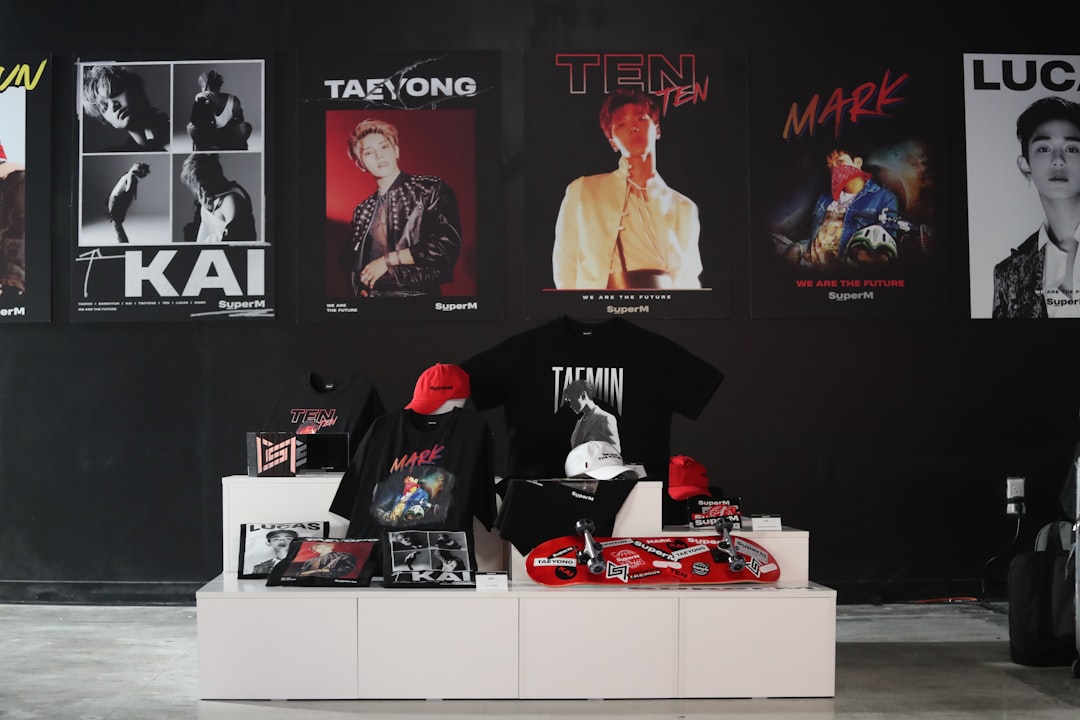
What are the characteristics of the K-Pop idol system
K-Pop, which enjoys global popularity, is more than just singers performing songs; it is a comprehensive art form that showcases performances perfected through a systematic trainee system. South Korean entertainment agencies foster idols through years of rigorous training, covering dance, vocals, foreign languages, and character education.
Agency-led training system
- Trainee period: Before debut, trainees go through an average training period of 3 to over 7 years.
- Versatility: There is an increasing number of artists who possess songwriting, composing, and producing skills in addition to vocals and dance.
- Visuals and performance: They provide content that combines high-difficulty choreography with spectacular stage costumes and aesthetic cinematography.
Why K-Pop succeeded in the global market
K-Pop is loved across borders because it maximizes visual enjoyment alongside musical excellence. Highly edited music videos convey messages beyond language barriers, and the way artists communicate with fans in real-time through social media creates a strong bond. Furthermore, Korea's unique trendy fashion and makeup styles are integrated with the beauty industry, leading global trends. Each agency expands its global fandom through strategies that maintain their unique musical color while appealing to the masses.