How to Understand Korean Culture Through Dramas and Films
Korean drama and film content, which is gaining global popularity, is more than just entertainment; it is an important medium for catching a glimpse of the Korean mindset and everyday life. When watching these works, you can gain a deeper understanding by observing the background locations, food culture, and subtle nuances of human relationships rather than just focusing on the plot.
Interpersonal Relationships and Social Etiquette
One of the core elements of Korean content is the relationship between characters and the corresponding linguistic etiquette. The distinction between formal (honorifics) and informal language, as well as changes in titles based on age and rank, are important indicators that show the vertical and horizontal relationships in Korean society.
- Changes in Titles: Pay attention to how titles change as the level of intimacy between characters increases.
- Situational Etiquette: You can discover uniquely Korean manners and customs through attitudes at meal times or in the workplace.
Filming Locations and the Meaning of Space
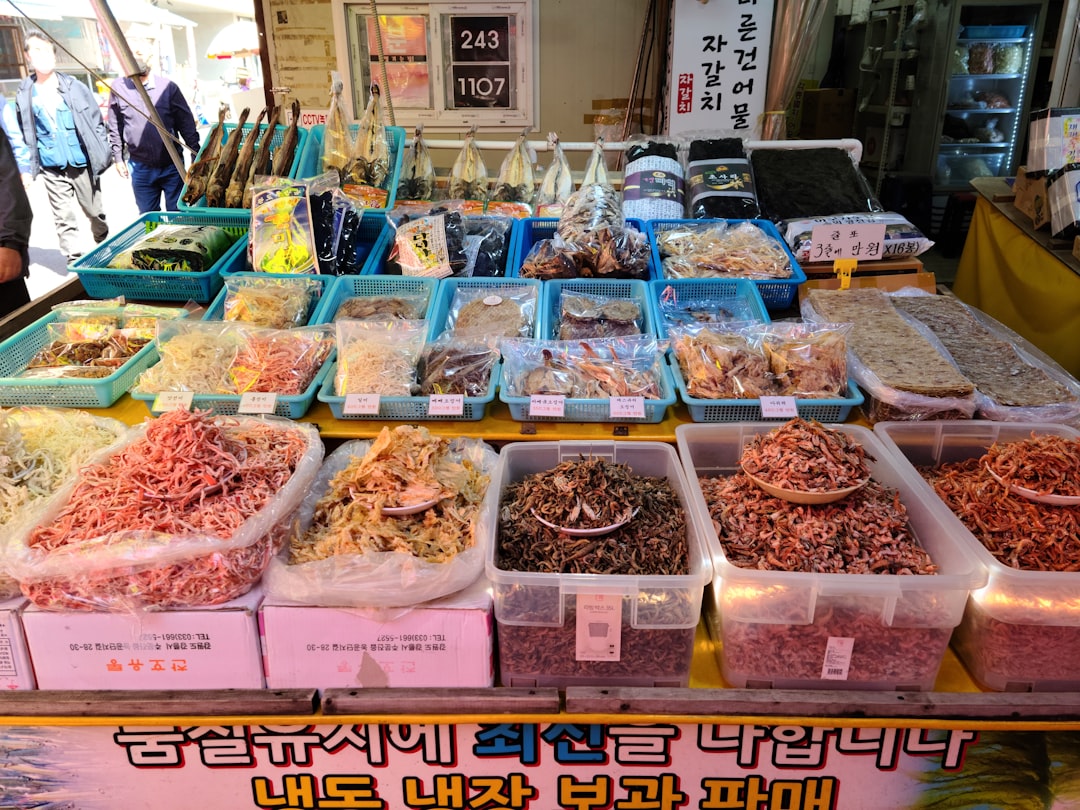
The cafes, parks, and traditional markets that appear in these works are places where the lives of real Koreans are embedded. By understanding the characteristics of the places the protagonists frequent, you can easily grasp the leisure lifestyles of Koreans.
- Background Analysis: Frequently appearing locations like historic palaces in the city center or Han River parks hold the meaning of relaxation for Koreans.
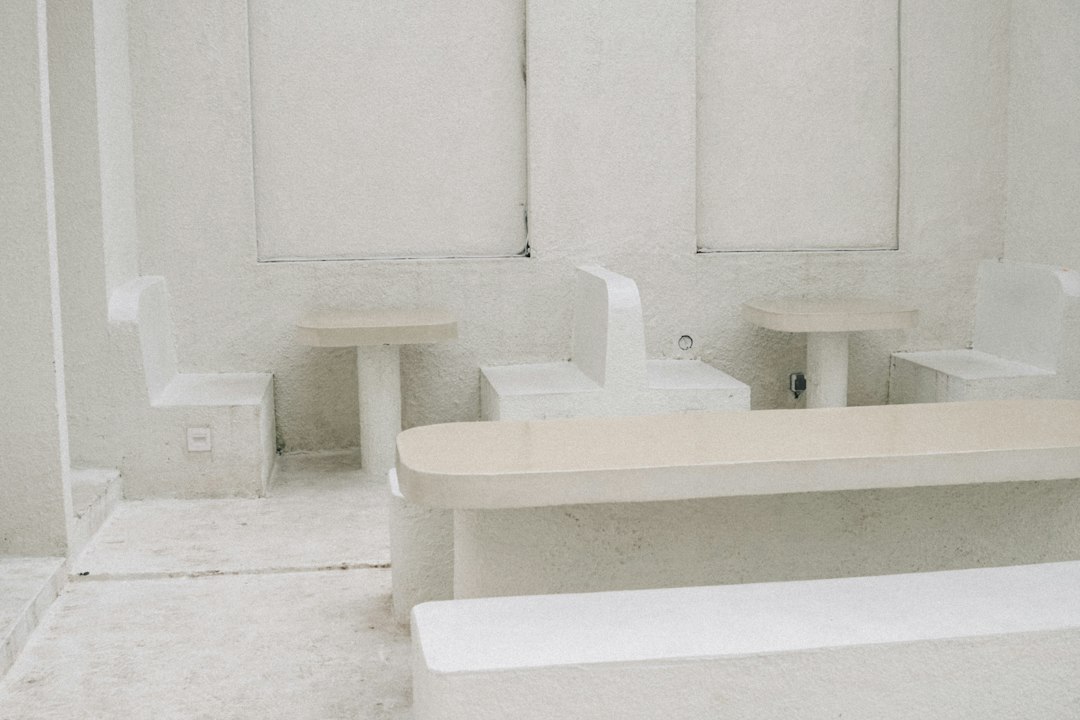
- Spatial Interior: You can read contemporary Korean housing trends through the structure of living rooms or interior props, which are features of Korean residential culture. Spaces in these works are not just backgrounds; they are often used as devices to represent a character's psychology and social status. In particular, spaces in recent dramas and films often emphasize minimalism and practicality, making them excellent for grasping the flow of Korean interior design.