K-Culture World

Food · 2026. 8. 2.

The Charm of Korean BBQ and 3 Steps to Enjoy It

BY 김민중

The Charm of Korean BBQ and 3 Steps to Enjoy It

What are the basic characteristics of Korean BBQ

Korean BBQ, a representative dining-out culture in Korea, features a unique method where a grill is placed in the center of the table for diners to cook the meat themselves. Beyond the act of eating, BBQ is a deeply ingrained cultural practice that reflects the Korean sentiment of sitting together, sharing a meal, and engaging in conversation. In Korea, people primarily enjoy pork belly (samgyeopsal) or beef sirloin, with the key being to maximize the flavors released during the grilling process.

Criteria for selecting meat

  • Fresh pork should have a bright red color with white, firm fat layers.
  • For beef, cuts with well-distributed fat, known as marbling, are preferred.
  • Dry-aged or wet-aged meat enhances the umami of the meat and is a method favored by many restaurants today.

The importance of the grill

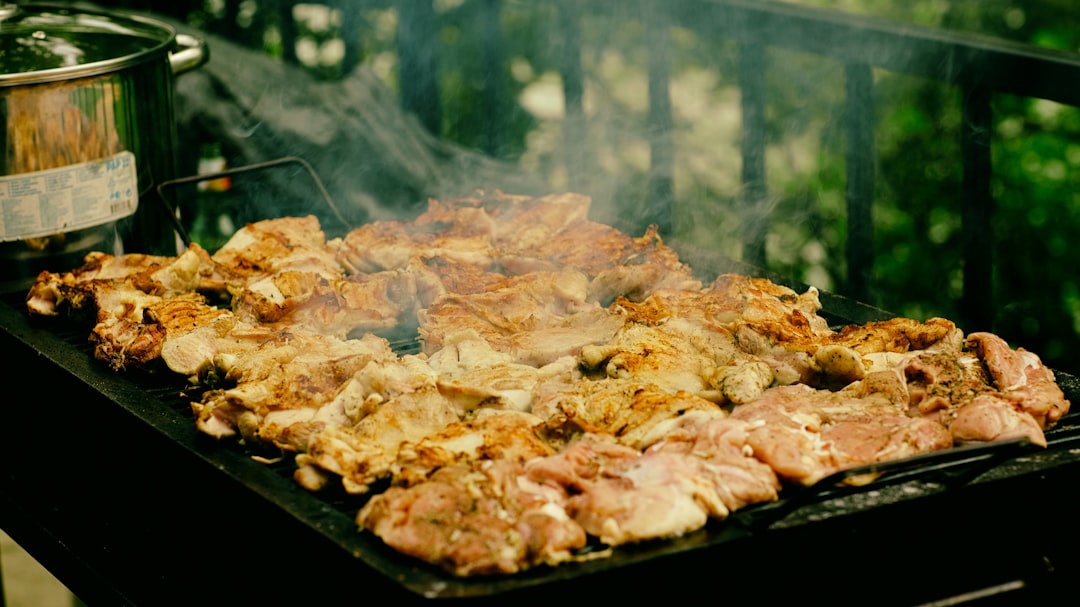
The type of grill used changes the flavor of the meat. Coated grills are convenient to use and prevent meat from sticking, while charcoal grills impart a smoky aroma that adds depth to the flavor. Ensuring the grill is sufficiently heated before placing the meat on it is the first step to locking in the juices.
Korean BBQ Grillware

SHOP THE LOOK: Korean BBQ Grillware

3 steps to enjoy Korean BBQ even more

To fully enjoy Korean BBQ, the combination of meat, side dishes, and sauces is essential. These side dishes, which cut through the richness of the meat and refresh the palate, are indispensable elements of a Korean meal. Following these steps will help you experience a richer flavor profile.

Utilizing ssam vegetables and sauces

  • Place a piece of well-cooked meat on a lettuce or perilla leaf, add garlic and ssamjang, and wrap it into a bite-sized portion.
  • Pajori (seasoned scallion salad) is an essential side dish that balances the greasiness of the meat.
  • Salt-based dips or soy-based onion sauces help highlight the natural flavor of the meat.

Controlling the heat and timing

Flipping the meat too often can cause the juices to escape, making it dry. The secret to preserving the juices is to wait until one side is sufficiently browned and then flip it only once. Once the meat is cooked, move it to the edge of the grill or a separate rack to prevent it from burning.

Meal menus to pair with Korean BBQ

It is common to finish a Korean BBQ meal with a traditional Korean side dish. Adding carbohydrates or fermented foods helps with digestion and enhances overall satisfaction compared to eating meat alone. In Korean restaurants, it is very common to order doenjang-jjigae (soybean paste stew) or cold noodles during or after the meal.

  • Doenjang-jjigae is the most preferred meal menu for Koreans, as its savory flavor cleanses the palate from the fattiness of the meat.
  • Mul-naengmyeon (cold noodle soup) or bibim-naengmyeon (spicy cold noodles) are popular finishes, offering a perfect harmony between the cold noodles and warm meat.
  • Fried rice, made by chopping up leftover meat and vegetables on the grill and stir-frying them with kimchi and seaweed flakes, is a true delicacy.

Dining precautions

Ensure that the smoke generated while grilling is properly vented through the ventilation system. Additionally, be cautious when handling hot grills to avoid burns, and take extra care to ensure children do not touch the grill area.

Korean Dining Tools

SHOP THE LOOK: Korean Dining Tools

Frequently Asked Questions

What is Korean BBQ?+

Korean BBQ is a popular style of cooking in Korea where fresh pork or beef is grilled directly on a plate at the table. A key characteristic is that it is not just about eating meat; it involves wrapping the meat in lettuce or perilla leaves with various side dishes like ssamjang, garlic, and scallion salad to achieve a balanced, flavorful, and nutritious meal.

What is the best way to grill meat?+

To enjoy BBQ at its best, the first key is to heat the grill sufficiently before adding the meat. Flipping the meat too often causes the juices to be lost, resulting in a tough texture. It is best to wait until the surface of the meat has developed a brown crust through the Maillard reaction, then flip it only once to lock in the juices.

What are some recommended menu items to pair with BBQ?+

Recommended items to pair with Korean BBQ include savory soybean paste stew (doenjang-jjigae) and refreshing cold noodles (naengmyeon). Having the stew during the meal clears the palate, while finishing with cold noodles cuts through the richness of the meat, making them the most popular and perfect dining combinations for Koreans.

Share

Show us your style! Share with #kcultureworld on Instagram & TikTok.

About the author

김민중

Writes practical guides to Korean beauty and food for overseas readers — Olive Young, convenience stores, and how-to tips.

More from 김민중

Related Posts

How to Make Delicious Bibimbap and Understanding Korean Food Culture

Food · 08/02/26

How to Make Delicious Bibimbap and Understanding Korean Food Culture

Bibimbap is a representative Korean nutritional meal made by mixing fresh seasoned vegetables, meat, and gochujang with rice. This guide explains the basic components of Bibimbap, cooking steps to enjoy it at its best, and its significance in traditional Korean food culture, helping anyone easily recreate the authentic taste of Korea at home.

Comments

No sign-up or login required.

No comments yet. Be the first to comment.