K-Culture World

Food · 2026. 8. 2.

The Charm of Dessert Culture and Must-Try Sweet Treats in Korea

BY 김민중

The Charm of Dessert Culture and Must-Try Sweet Treats in Korea

How Korean Dessert Culture Has Evolved

Korean dessert culture began with the luxurious refreshments once enjoyed in the royal court and has since evolved into today's creative cafe scene. For Koreans, a sweet treat after a meal is more than just food; it represents a time for communication and relaxation. Recently, menus that reinterpret traditional ingredients like red beans, black sesame, and injeolmi (roasted soybean powder rice cake) have become highly popular.

Characteristics of Traditional Refreshments

  • They aim for a healthy sweetness by using grains and nuts as primary ingredients.
  • They are designed to harmonize perfectly when paired with tea.
  • They are intricately and beautifully shaped, making them valuable as gifts.

In modern Korea, fusion menus that combine Western-style baking with traditional Korean ingredients are the trend. Examples include croissants dusted with injeolmi powder or lattes topped with black sesame cream. These attempts add new textures to familiar flavors, earning widespread love from both the younger and older generations. Additionally, cakes and bingsu (shaved ice) featuring seasonal fruits have become key elements of the Korean cafe tour, offering visual pleasure as well. As the atmosphere and visual aspects of a space have become as important as the taste, providing a special experience for visitors is a common feature of modern Korean cafes.
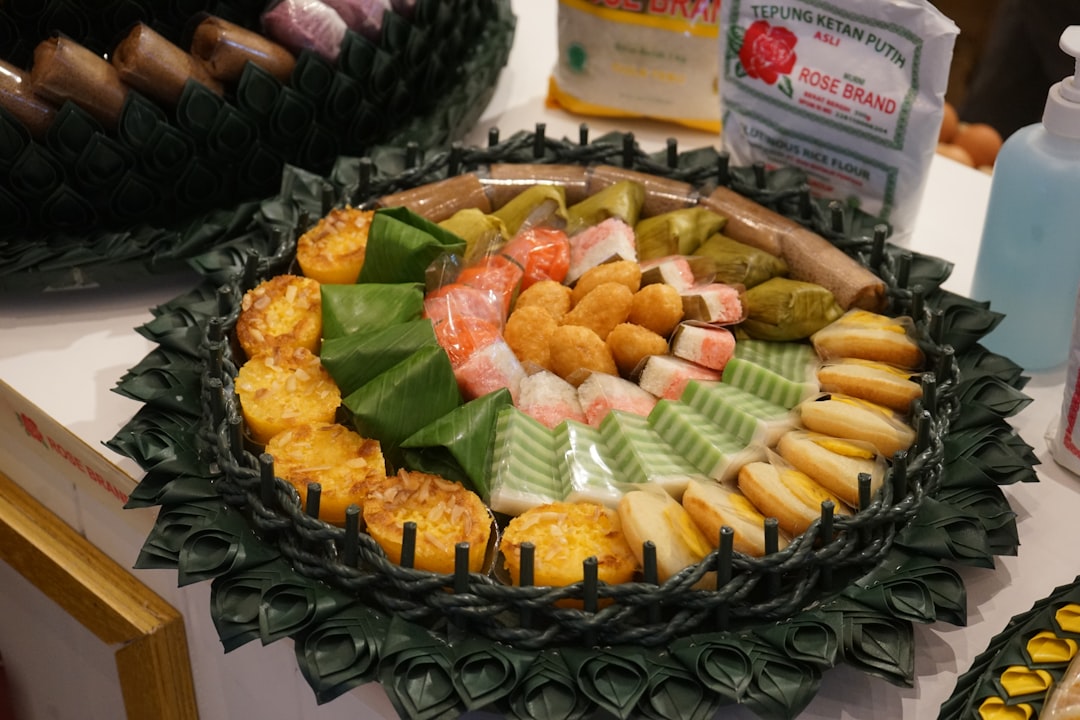

3 Criteria for Choosing the Perfect Dessert

To pick the right treat from the wide variety available, you need a few criteria. Here are the key factors to consider when choosing a menu at a Korean cafe or bakery.

Check Ingredients and Origin

  • You can experience a deeper flavor by checking if domestically produced red beans or glutinous rice were used.
  • Prioritize places that highlight the natural sweetness of ingredients rather than artificial sweeteners.

Understand the Cafe's Specialty

  • It is important to identify the nature of the shop, such as whether it specializes in bakery items or bingsu.
  • It is a good idea to search for the shop's signature menu in advance via social media or review platforms.

Choose Pairing Beverages

To maximize the flavor of your dessert, harmony with the accompanying drink is essential. Bitter Americanos or clean green teas pair well with sweet cakes, while warm grain teas or lattes go well with nutty injeolmi-based menus. If the shop recommends a pairing, trying it is the best way to avoid disappointment. Also, seasonal fruit menus change throughout the year and offer a unique experience only available at that time, so we recommend choosing differently depending on when you visit.

Cafe Tour Essentials

SHOP THE LOOK: Cafe Tour Essentials

Making Korean-Style Desserts at Home

If you cannot visit a store in person, you can easily recreate Korean flavors at home. We guide you on how to complete a high-quality home cafe experience using ingredients easily found in stores, without the need for special cooking tools.

Simple Homemade Recipes

  • Making fusion rice cake desserts using glutinous rice cakes and ice cream
  • Nutty black sesame latte made by mixing black sesame powder into milk
  • Homemade snowflake bingsu using frozen fruit and condensed milk

Storage and Handling Precautions

Since homemade snacks do not contain preservatives, it is best to consume them on the day they are made. If storage is necessary, they should be kept in an airtight container in the refrigerator or freezer to minimize contact with air. In particular, rice cakes or breads can become hard if they lose moisture, so be careful not to leave them at room temperature for too long. Frozen rice cakes can regain their original chewy texture by thawing naturally or warming them slightly in the microwave. Mastering these small management tips will allow you to enjoy Korean sweetness at home anytime. Carefully prepared snacks make the perfect gift to share with loved ones.

Home Cafe Baking Tools

SHOP THE LOOK: Home Cafe Baking Tools

Frequently Asked Questions

What does dessert mean in Korea?+

In Korean food culture, dessert acts as a full stop that completes the pleasure of a meal. In the past, it was a thoughtful refreshment set to treat precious guests, and in modern times, it has established itself as a central content of cafe culture for communicating with friends or enjoying personal relaxation.

What are the popular types of Korean desserts?+

Among dessert types, traditional red bean bingsu and fusion snacks using injeolmi are consistently loved. Also, croffles, black sesame cakes, and intricately shaped wagashi or handmade yanggaeng (red bean jelly) that capture the unique sensibility of Korean cafes are very popular with foreign visitors.

Where should I go to enjoy delicious desserts?+

If you are looking for famous dessert spots, we recommend Seongsu-dong or Yeonnam-dong in Seoul, or traditional tea house streets in historical cities like Gyeongju. It is best to search for 'dessert' using Google Maps or major Korean restaurant apps and choose shops frequently visited by locals based on visitor reviews and photos.

Share

Show us your style! Share with #kcultureworld on Instagram & TikTok.

About the author

김민중

Writes practical guides to Korean beauty and food for overseas readers — Olive Young, convenience stores, and how-to tips.

More from 김민중

Related Posts

How to Make Delicious Bibimbap and Understanding Korean Food Culture

Food · 08/02/26

How to Make Delicious Bibimbap and Understanding Korean Food Culture

Bibimbap is a representative Korean nutritional meal made by mixing fresh seasoned vegetables, meat, and gochujang with rice. This guide explains the basic components of Bibimbap, cooking steps to enjoy it at its best, and its significance in traditional Korean food culture, helping anyone easily recreate the authentic taste of Korea at home.

Comments

No sign-up or login required.

No comments yet. Be the first to comment.