K-Culture World

Food · 2026. 8. 2.

A Guide to Street Food and the Charming Flavors of Korean Traditional Markets

BY 김민중

5 Essential Steps for a Successful Visit to Korea

What are the characteristics of Korean street food culture?

Korean street food culture has evolved into a convenient dining experience that fits into a busy daily life. Tasting freshly prepared food amidst the warm, nostalgic atmosphere of a traditional market offers an unforgettable experience for travelers visiting Korea. Korean snacks go beyond simply satisfying hunger; each region uses its own unique recipes and ingredients, forming a distinct map of flavors.

Key characteristics of Korean snacks

  • Fresh ingredients prepared on the spot
  • A menu composition that emphasizes a harmony of spicy, sweet, and salty flavors
  • Great variety that allows you to sample many different foods at affordable prices

The joy of gourmet dining in markets

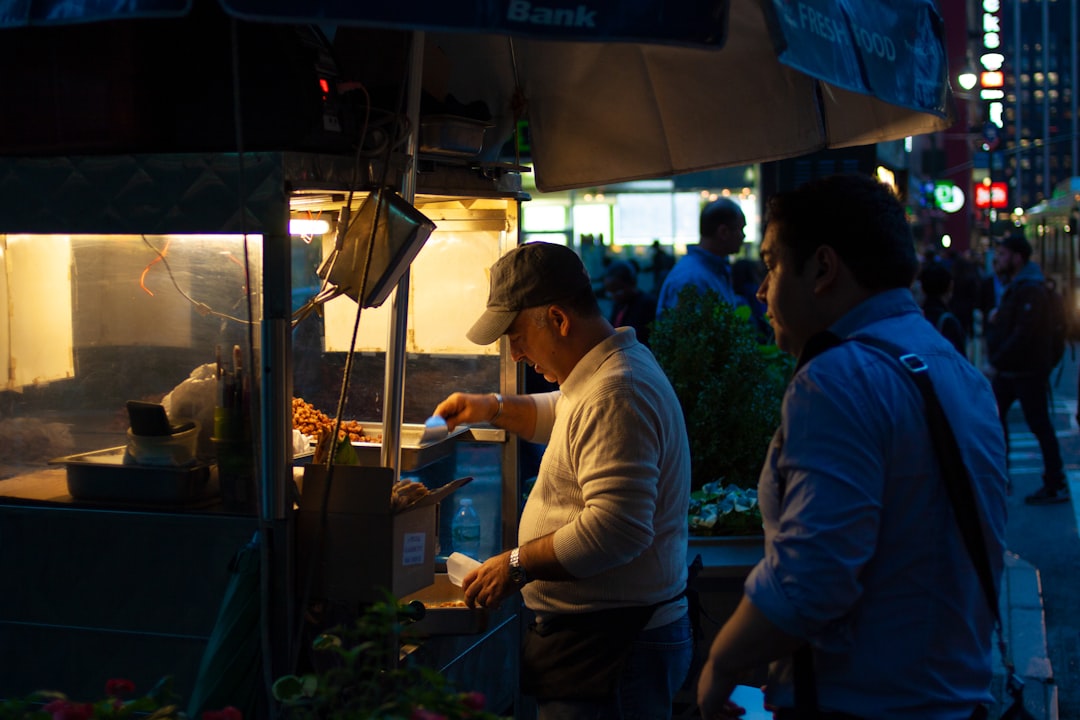
Korea's traditional markets are known as meccas for street food, with a high density of diverse menu options. Places like Gwangjang Market and Tongin Market are particularly popular among both locals and foreigners, boasting shops with decades of tradition. Here, you can find Korean soul foods like tteokbokki, fish cakes, and bindaetteok (mung bean pancakes) all in one place. When visiting markets, it is a good idea to carry small amounts of cash, and we recommend sharing various dishes with your companions to taste as much as possible. While many places maintain hygienic cooking environments, bringing wet wipes or hand sanitizer is recommended for a more comfortable dining experience, given the open-air nature of these stalls.
3 Representative street foods you must try

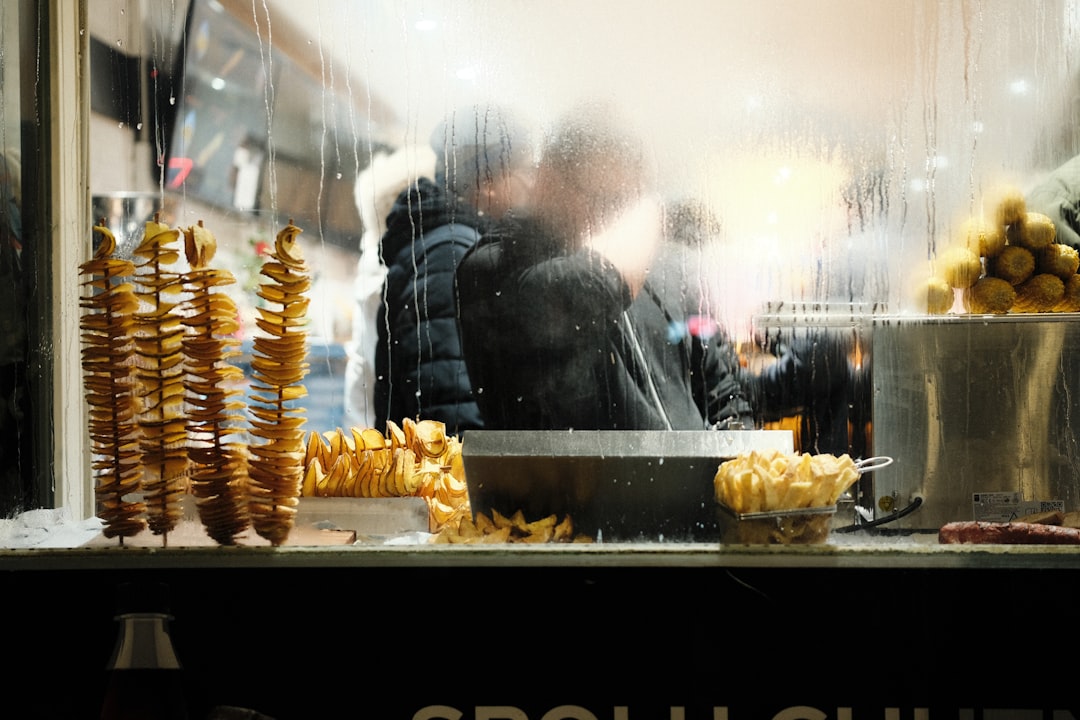
There are iconic street food menus that you must try when visiting Korea. These foods are a taste of nostalgia for Koreans and the quickest way for foreigners to understand the flavors of Korea. Each menu has its own unique texture and flavor, making the process of choosing what to eat quite fun.

List of Korean soul foods

  • Tteokbokki: Korea's signature snack made by stir-frying chewy rice cakes in a spicy-sweet gochujang-based sauce.
  • Hotteok: A sweet dessert made by filling flour dough with sugar, nuts, and other ingredients, then pan-frying it until crispy.
  • Dakgangjeong: Bite-sized pieces of crispy fried chicken glazed in a sweet and savory sauce.

A guide for menu selection

The spice level of tteokbokki varies by shop, so it is a good idea to ask if you can adjust the heat before ordering. Be careful when taking the first bite of a hotteok, as the syrup inside can be extremely hot right after it is cooked. Dakgangjeong tastes great even when cold, making it an excellent choice to take away and enjoy at your accommodation. Most of these foods are sold in single servings, but if the portions are large, we recommend ordering a variety to share with friends. Since every shop has its own secret sauce recipe, comparing different spots to find your personal favorite is part of the fun.

How to enjoy street food safely and hygienically

Enjoying delicious food safely is an important factor in enhancing the quality of your trip. While most street food vendors maintain high standards of cleanliness, there are a few precautions to keep in mind to ensure a worry-free meal due to the nature of outdoor operations.

Checklist for a hygienic meal

  • Choose shops with high turnover where ingredients look fresh
  • Check if the person preparing the food is wearing sanitary gloves or a mask
  • Ensure the containers used to serve the food are clean

Precautions and etiquette

When purchasing street food, it is best not to stand too close to the cooking area due to the heat generated during the process. After finishing your meal, you must dispose of your containers in designated trash cans; not littering on the street is a way to respect Korea's mature civic awareness. Recently, many shops have started using eco-friendly containers, so please cooperate if there are recycling instructions. If you have allergies to specific ingredients, it is recommended to ask the vendor if they are included before ordering. Enjoy your gourmet journey safely by asking simple questions like, "Does this contain [ingredient]?"

Portable Hygiene Kit

SHOP THE LOOK: Portable Hygiene Kit

Frequently Asked Questions

What is street food and where can I eat it?+

Street food refers to small-scale prepared dishes that can be easily purchased and eaten at stalls in Korea's traditional markets or major downtown areas. It is most commonly found in major tourist spots across the country, such as Myeong-dong and Gwangjang Market in Seoul, or the International Market in Busan, and is characterized by being an affordable way to experience popular Korean flavors.

Which street food menu is most popular among foreigners?+

Among street foods, tteokbokki and dakgangjeong are particularly popular with foreigners. Tteokbokki is a great way to experience Korea's unique spicy-sweet sauce, and dakgangjeong is highly satisfying for travelers of all ages due to its crispy-on-the-outside, tender-on-the-inside texture and sweet glaze.

What should I keep in mind when ordering street food?+

When ordering street food, it is a good idea to have small amounts of cash ready, as cash payment is often required. Also, you may need to wait in line during peak hours, so we recommend visiting with plenty of time to spare. If you have any food allergies, please ask the vendor beforehand to enjoy your meal safely.

Share

Show us your style! Share with #kcultureworld on Instagram & TikTok.

About the author

김민중

Writes practical guides to Korean beauty and food for overseas readers — Olive Young, convenience stores, and how-to tips.

More from 김민중

Related Posts

How to Make Delicious Bibimbap and Understanding Korean Food Culture

Food · 08/02/26

How to Make Delicious Bibimbap and Understanding Korean Food Culture

Bibimbap is a representative Korean nutritional meal made by mixing fresh seasoned vegetables, meat, and gochujang with rice. This guide explains the basic components of Bibimbap, cooking steps to enjoy it at its best, and its significance in traditional Korean food culture, helping anyone easily recreate the authentic taste of Korea at home.

Comments

No sign-up or login required.

No comments yet. Be the first to comment.