K-Culture World

Food · 2026. 7. 27.

Types of Korean Street Food and 4 Ways to Enjoy Them

BY 김민중

Essential Travel Guide for a Successful Visit to Korea

Types of Korean Street Food and Iconic Menu Items

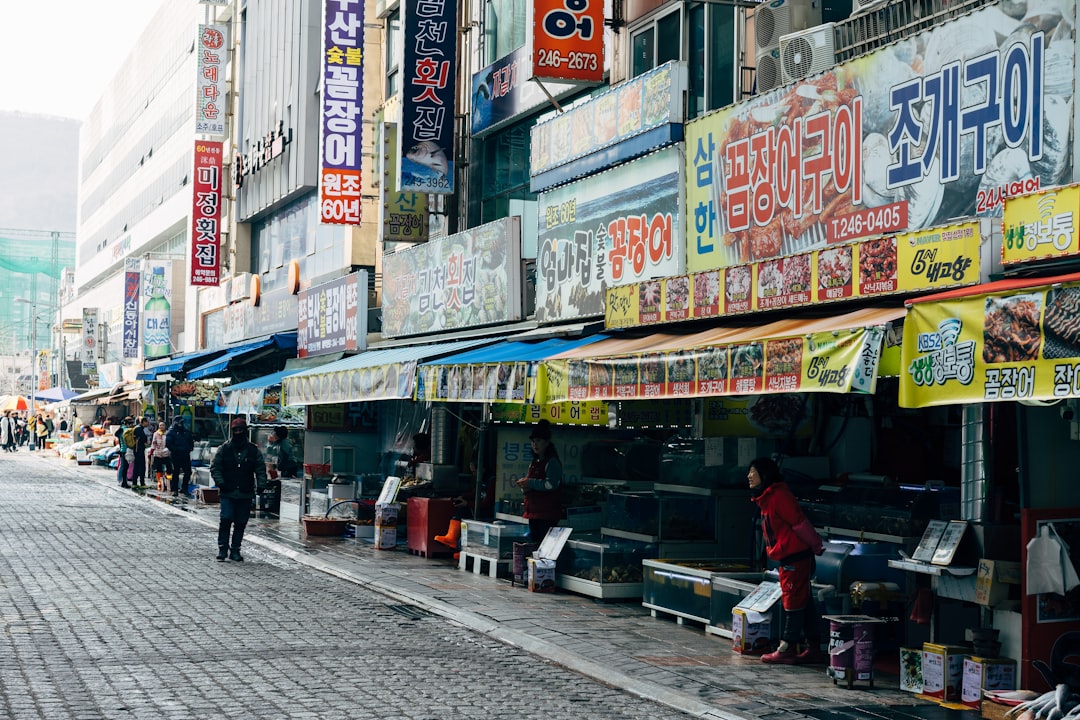
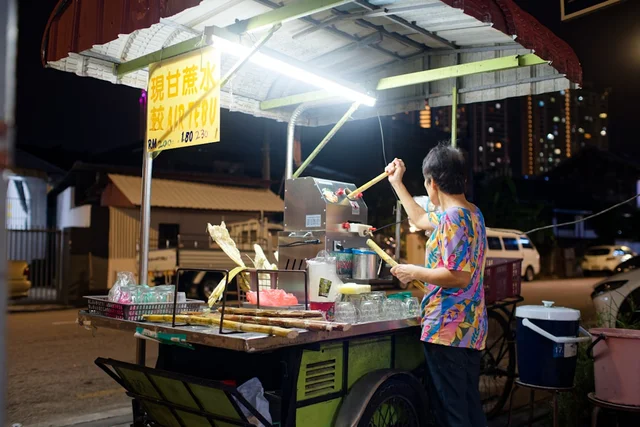
Korea's street food culture is highly dynamic, with each region boasting its own unique specialties. The iconic menu items most sought after by travelers are highly accessible in terms of both taste and price. They are generally easy to find at markets or street stalls in busy districts and are characterized by being served fresh and warm after simple preparation.

Iconic Bunsik (Snack) Menu

  • Tteokbokki: An iconic Korean snack made with rice cakes and fish cakes simmered in a spicy and sweet gochujang-based sauce.
  • Eomuk (Fish Cake): Skewered fish cakes served in a warm anchovy broth; the highlight is sipping the savory broth alongside the snack.
  • Twigim (Deep-fried snacks): Items like seaweed rolls (gim-mari), squid, and sweet potato, deep-fried to crispy perfection and traditionally dipped in tteokbokki sauce.

Korea has distinct four seasons, and the types of street food available vary accordingly. In winter, warm hotteok (sweet pancakes) or bungeo-ppang (fish-shaped pastries) are popular, while in summer, many look for refreshing sikhye (sweet rice drink) or slushie-style beverages. In particular, bungeo-ppang sold on winter streets is a hit with foreign tourists, as they can choose between red bean or custard fillings. Most of these foods can be easily purchased with cash or mobile payment systems, and their advantage is that even small portions provide satisfying fullness.

Korean Snack Meal Kits

SHOP THE LOOK: Korean Snack Meal Kits

How to Enjoy Street Food Hygienically

Since street food is often sold at open-air stalls, many travelers are concerned about hygiene. However, recently, many vendors have shown improvements by wearing sanitary caps and gloves, and maintaining their cooking utensils in a clean manner. For a safe and enjoyable culinary experience, it is good to check a few precautions.

Hygiene Checklist

  • Cleanliness of the Cooking Area: Check if ingredients are covered and if the cooking station is tidy.
  • Hygiene of the Vendor: Observe whether the person handling the food is wearing sanitary gloves or a mask.
  • High Turnover Spots: Places with many customers where food is sold out quickly are more likely to have fresh ingredients.

Tips for Safe Consumption

When purchasing food, it is best to choose items that are fully cooked. Also, avoiding peak hours when crowds are largest gives the vendor more time to handle the food with care. When eating on the street, identify the location of nearby trash cans in advance, and dispose of your waste in designated areas after eating—this is a way to respect Korea's mature civic culture. While many stalls now have card terminals, carrying a small amount of cash as a precaution is a convenient habit.

If you are planning a street food tour in Korea, we recommend visiting major traditional markets and busy districts in Seoul. Each area has specialized foods, so visiting multiple locations allows you to experience a wider variety of Korean flavors. Each spot is easily accessible by public transport, making them highly efficient to include in your travel itinerary.

Must-Visit Street Food Streets

  • Gwangjang Market: Known as a mecca for traditional Korean snacks like bindaetteok (mung bean pancakes), mayak gimbap, and yukhoe (beef tartare).
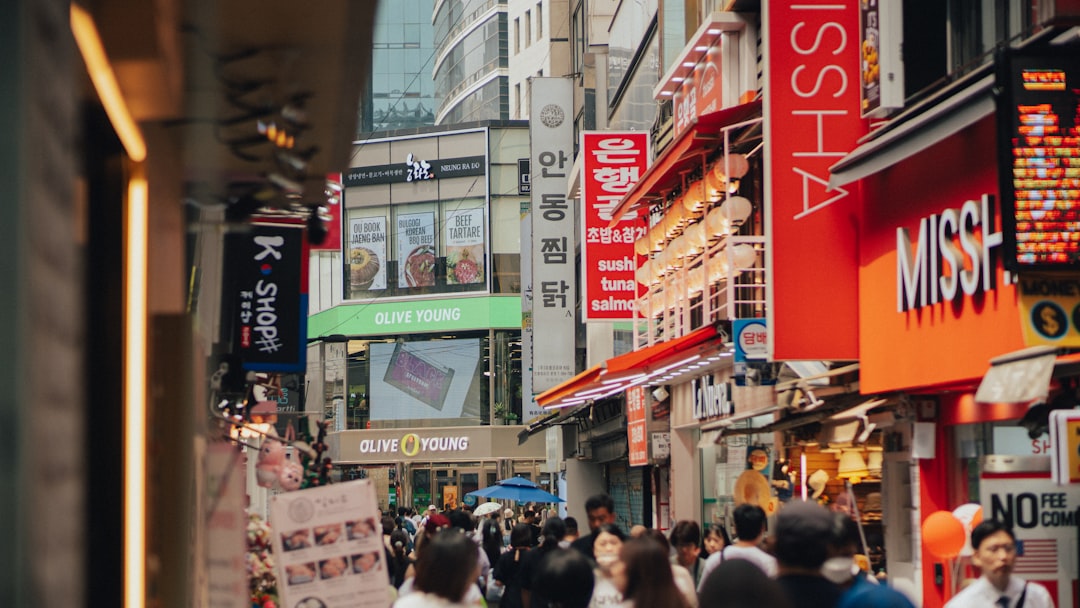
  • Myeong-dong Street: The best place to find snacks reflecting the latest trends, such as dak-gangjeong (sweet crispy chicken), tornado potatoes, and tanghulu.
  • Busan International Market: An essential stop to try Busan's unique street foods like ssiat-hotteok (seed-filled pancakes) and bibim-dangmyeon (spicy mixed glass noodles).

Strategies for a Culinary Trip

If you want to taste many different items, it is best to visit with companions and share the food. The core of a street food tour is tasting a variety of items rather than filling up on just one. Also, visiting during weekday afternoons rather than weekends allows you to enjoy the food in a less crowded, more relaxed environment. Vendors at each market are often very friendly to foreign tourists, so if you are curious about a menu item, do not hesitate to ask and enjoy the pleasure of interacting with the locals.

Travel Food Guidebooks

SHOP THE LOOK: Travel Food Guidebooks

Frequently Asked Questions

What is street food and why is it famous in Korea?+

Street food refers to convenient snacks sold at stalls or small kiosks. These foods are famous in Korea because they allow you to experience authentic local flavors quickly and at an affordable price. Snacks like tteokbokki, eomuk, and hotteok are 'soul foods' that evoke nostalgia for Koreans, and they have become a gateway for foreigners to easily and quickly experience Korean culture.

What should I be careful about when eating street food?+

When enjoying street food, it is good to check the hygiene status first. Look to see if the cooking utensils are clean and if ingredients are stored properly. Also, you must dispose of trash in designated areas after eating. It is recommended to carry a small amount of cash as some places may only accept cash payments, and be careful of burns as the food can be quite hot, so enjoy it slowly.

Where are the recommended street food tour spots for foreigners?+

The most recommended street food tour spots for foreigners are definitely Gwangjang Market and Myeong-dong Street in Seoul. Gwangjang Market is great for enjoying the lively atmosphere of a traditional market along with authentic items like bindaetteok and mayak gimbap, while Myeong-dong Street is popular among younger crowds for its fusion snacks and trendy street food. If you visit Busan, be sure to try the ssiat-hotteok at the International Market. Each region offers unique flavors that add to the joy of your trip.

Share

Show us your style! Share with #kcultureworld on Instagram & TikTok.

About the author

김민중

Writes practical guides to Korean beauty and food for overseas readers — Olive Young, convenience stores, and how-to tips.

More from 김민중

Related Posts

How to Make Delicious Bibimbap and a Guide to Healthy Ingredient Combinations

Food · 07/27/26

How to Make Delicious Bibimbap and a Guide to Healthy Ingredient Combinations

Bibimbap is a quintessential traditional Korean dish, featuring a well-balanced nutritional profile of rice topped with various seasoned vegetables (namul), meat, and gochujang. This guide covers the origins of Bibimbap, key tips for making it delicious, and criteria for ingredient selection to help anyone create the perfect bowl at home.

Comments

No sign-up or login required.

No comments yet. Be the first to comment.