K-Culture World

Food · 2026. 7. 27.

A Guide to Korean Dessert Trends and Popular Varieties

BY 김민중

A Guide to Korean Dessert Trends and Popular Varieties

Modern Korean dessert culture has evolved uniquely by combining traditional ingredients with Western cooking methods. Rice cakes (tteok) and traditional confectionery (hangwa), which were once reserved for holidays or feasts, have now become everyday cafe staples that are capturing the palates of people around the world.

Reinterpreting traditional ingredients

Korean traditional snacks are characterized by their subtle sweetness and emphasis on the natural flavor of the ingredients. A major current trend is incorporating these traditional elements into modern desserts.

  • Cream lattes and cakes featuring black sesame, injeolmi (roasted soybean powder rice cake), and mugwort are widely popular.
  • Bingsu (shaved ice) topped with red beans has established itself as Korea's signature summer snack.
  • Bakery products made with rice flour are gaining popularity among health-conscious consumers.

Integration with modern cafe culture

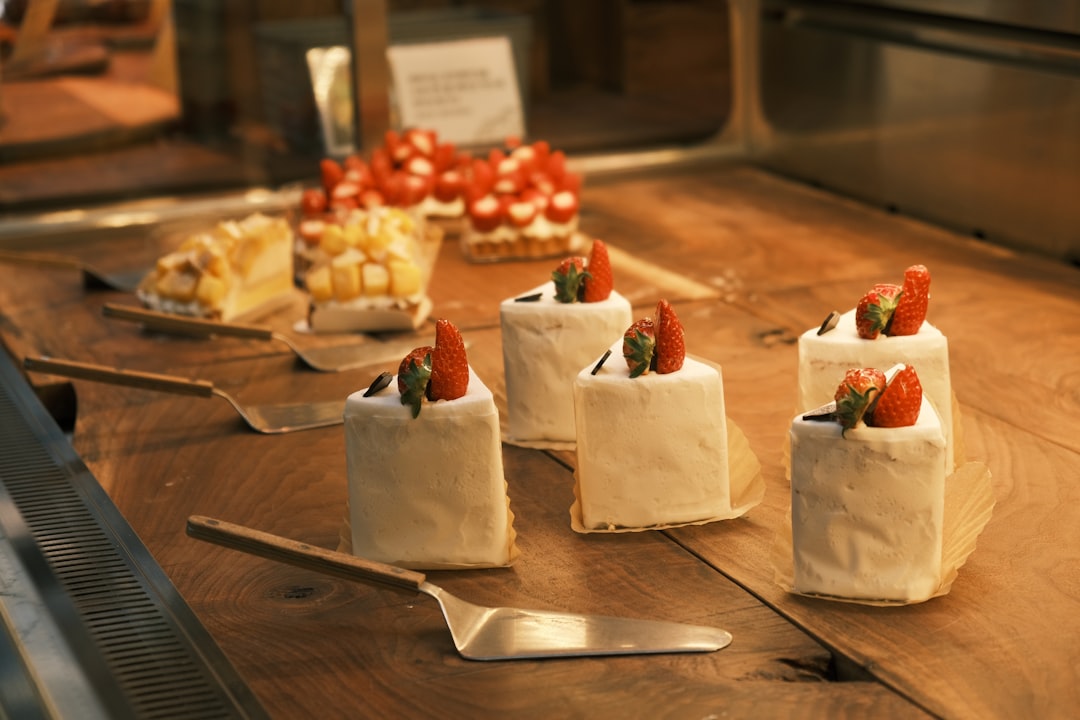
Korean cafes have evolved beyond simple coffee shops into cultural spaces where one can enjoy visually stunning desserts. Each cafe showcases menus with unique concepts, and a culture of sharing visual delights via social media has taken root. In particular, tarts piled high with fresh fruit or seasonal menu items provide great satisfaction to visitors.
Korean Dessert Tools

SHOP THE LOOK: Korean Dessert Tools

3 essential Korean desserts you must try

If you are visiting Korea or stopping by a Korean-style cafe, there are representative menu items you should know to ensure a successful experience. Each has its own unique texture and flavor, making them perfect for different preferences.

Chewy rice cakes and yakgwa

Korean rice cakes (tteok) are made primarily from rice, offering a delightful, chewy texture. Recently, fusion rice cakes filled with cream have become a hit. Yakgwa, a deep-fried confection made from flour and honey, is currently trending in a 'mo-yakgwa' style that emphasizes a dense, chewy texture.

Soft milk bingsu and red bean bingsu

Bingsu is the pinnacle of Korean desserts. While it was once made by shaving plain ice and topping it with red beans, modern versions use frozen milk shaved into snowflake-like textures, topped with soybean powder, injeolmi, and fruit for a softer and richer flavor.

Trendy fusion bakeries

Korean bakeries are known for being highly delicate and colorful. 'Fat-carons' (thick, heavily filled macarons) and fusion items that add Korean ingredients to croissants are highly regarded for both taste and presentation. These desserts are also popular as gifts.

Tips for enjoying desserts and precautions

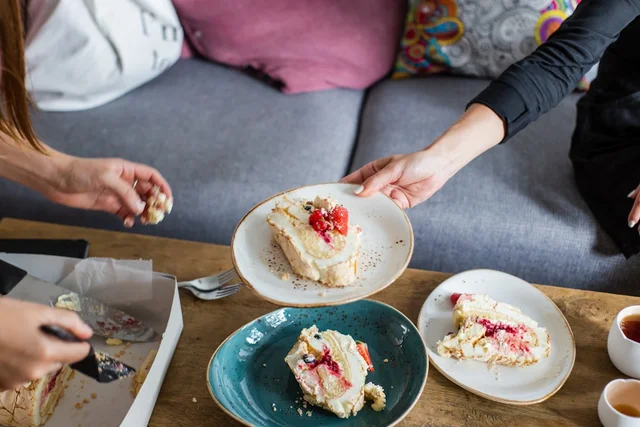
To properly enjoy Korean desserts, it is important to understand the characteristics of each menu item and pair them with the right beverage. Korean cafe culture places great importance on the pairing of drinks and desserts.

Pairing guide with drinks

It is standard practice to pair sweet desserts with slightly bitter beverages. Many Korean cafes curate their menus with these combinations in mind.

  • Warm green tea or roasted grain tea pairs well with sweet yakgwa or rice cakes to balance the flavors.
  • A clean Americano is the best companion for fruit tarts or cakes.
  • For cream-topped desserts, a bitter cold brew coffee is recommended.

Storage and consumption precautions

Korean desserts often contain fewer preservatives, so freshness is key. It is best to consume products containing rice cakes or cream as soon as possible after purchase.

  • Rice cakes can harden in the refrigerator; if you are not eating them immediately, store them in the freezer and thaw before consumption.
  • Desserts containing cream are sensitive to temperature changes, so using an insulated bag when transporting them immediately after purchase helps maintain their shape.
  • Since seasonal menus use fresh fruit of that season, please note that there may be a difference in taste once the season has passed.
Cafe Dessert Tableware

SHOP THE LOOK: Cafe Dessert Tableware

Frequently Asked Questions

What are some traditional Korean dessert snacks?+

Traditional Korean desserts include rice cakes (tteok) made from rice, yakgwa made by frying flour and honey, and various hangwa (traditional confections) using red beans. Recently, these traditional snacks have been reinterpreted with a modern twist, making them very popular in cafes.

How can I best pair Korean desserts?+

To enjoy Korean desserts, it is recommended to pair sweet items like yakgwa or rice cakes with warm green tea or roasted grain tea. Conversely, for modern fusion desserts topped with cream, a bitter Americano or cold brew coffee will provide a perfect balance of flavors.

How do I find famous Korean dessert cafes?+

To find specialized dessert cafes, searching for 'dessert cafe' or 'hot place' on Korean map apps or social media platforms is the most accurate method. Searching on platforms like Instagram with a specific neighborhood name will help you easily find the latest, visually verified popular menu items.

Share

Show us your style! Share with #kcultureworld on Instagram & TikTok.

About the author

김민중

Writes practical guides to Korean beauty and food for overseas readers — Olive Young, convenience stores, and how-to tips.

More from 김민중

Related Posts

How to Make Delicious Bibimbap and a Guide to Healthy Ingredient Combinations

Food · 07/27/26

How to Make Delicious Bibimbap and a Guide to Healthy Ingredient Combinations

Bibimbap is a quintessential traditional Korean dish, featuring a well-balanced nutritional profile of rice topped with various seasoned vegetables (namul), meat, and gochujang. This guide covers the origins of Bibimbap, key tips for making it delicious, and criteria for ingredient selection to help anyone create the perfect bowl at home.

Comments

No sign-up or login required.

No comments yet. Be the first to comment.