K-Culture World

Food · 2026. 7. 27.

How to Enjoy Korean Grilled Meat and Everything About K-BBQ Culture

BY 김민중

Korean Food Guidebooks

3 Key Steps to Perfectly Enjoy Korean BBQ

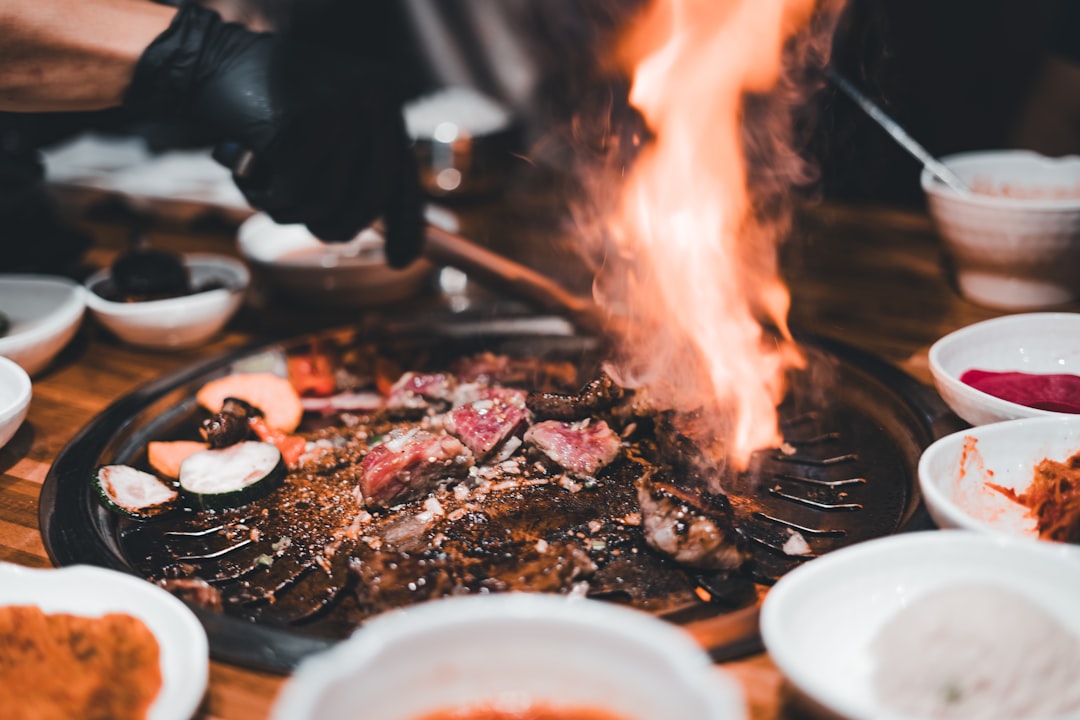
Korean BBQ, a staple of dining out in Korea, is more than just cooking meat; it is a comprehensive culinary culture where the cooking process and side dishes harmonize. Selecting fresh meat and controlling the heat to lock in the juices are the secrets to great flavor.

Selecting and Preparing Meat Cuts

Different cuts of meat offer unique textures and flavors. In Korea, pork belly (samgyeopsal), pork shoulder (moksal), and beef brisket (chadolbagi) are popular choices, and selecting the right thickness and preparation is crucial.

  • Pork belly has a balanced layer of fat, which maximizes its savory flavor when grilled.
  • Pork shoulder is lean and meaty, perfect for those who prefer a cleaner, milder taste.
  • Bringing meat to room temperature before grilling helps ensure a much more tender texture.

Heat Control and Grilling Techniques to Lock in Juices

Temperature is the most important factor in determining the taste of grilled meat. If the heat is too low, the meat can become tough, and if it is too high, it will burn on the outside while remaining raw inside.

  • Heat the grill sufficiently before placing the meat on it to ensure the surface sears quickly, keeping the juices inside.
  • It is best not to flip the meat too often. The key is to wait until one side has turned a deep golden brown before flipping.
  • Use kitchen shears and tongs to cut the meat into bite-sized pieces, then sear the cross-sections briefly for a crispy exterior and juicy interior.
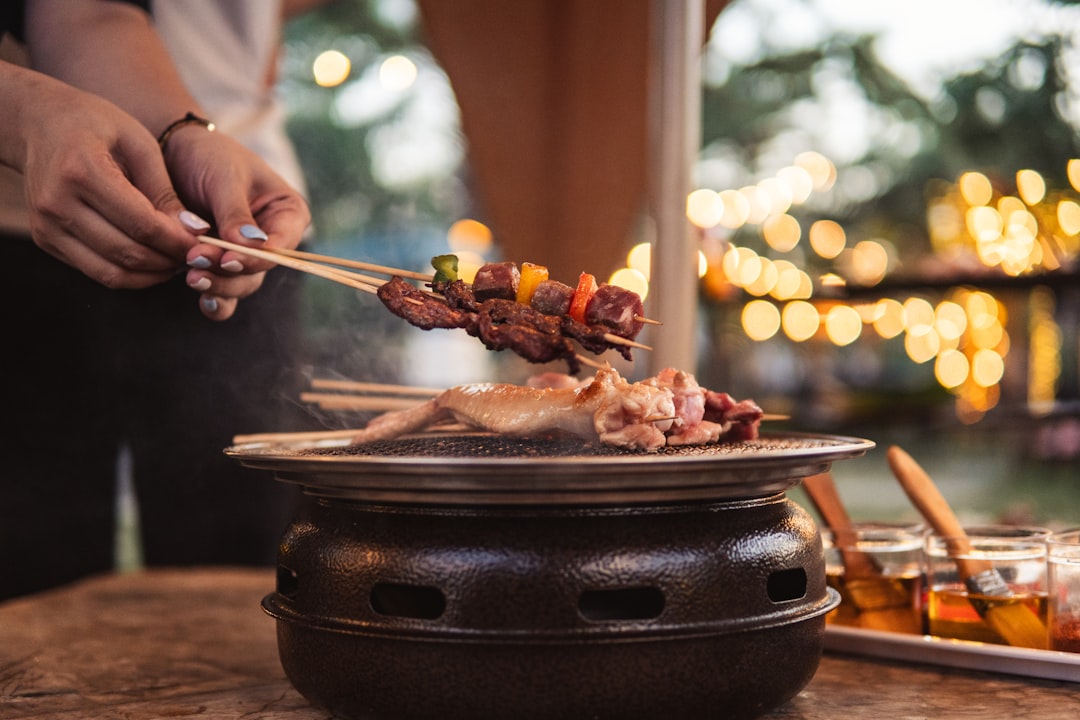
BBQ Grill Sets

SHOP THE LOOK: BBQ Grill Sets

Ssam and Side Dish Combinations That Enhance Flavor

Side dishes are an essential part of the Korean BBQ experience. Korean dining tables feature a variety of vegetables and fermented foods designed to balance the richness of the meat.

Essential Ssam Vegetables and Sauces

Lettuce and perilla leaves are the foundation of Korean ssam (wrap) culture. Wrapping meat provides nutritional balance and creates a harmonious flavor profile.

  • The unique fragrance of perilla leaves cuts through the meat's odor and leaves the palate feeling clean.
  • Various sauces like ssamjang (seasoned soybean paste), seasoned sesame oil, and meljeot (anchovy sauce) elevate the umami of the meat.
  • Adding garlic and chili peppers to your ssam introduces a spicy kick that adds depth to every bite.

The Perfect Harmony of Kimchi and Scallion Salad

Grilled kimchi is a favorite among Koreans. The acidity of the kimchi meets the fat of the meat to create a deep, savory flavor profile.

  • Scallion salad (pajeori), seasoned with chili powder, vinegar, and sesame oil, perfectly offsets the greasiness of the meat.
  • Pickled perilla leaves or onion soy pickles ensure a refreshing aftertaste.
  • Combining various side dishes to create your own favorite recipe is the best way to enjoy Korean BBQ.

Finishing Your Meal: Korean BBQ Dessert Menus

In Korean dining etiquette, it is traditional to follow a meat-heavy meal with a dessert or palate cleanser that aids digestion. Every restaurant offers a variety of options to complete your meal perfectly.

Choosing Between Doenjang-jjigae and Naengmyeon

The most popular post-BBQ dishes are soybean paste stew (doenjang-jjigae) and cold noodles (naengmyeon). While personal preferences vary, both offer distinct charms.

  • Soybean paste stew offers a hearty, savory finish when enjoyed with a bowl of rice.
  • Cold noodles (naengmyeon) help wash away remaining oils with a chilled broth, leaving the palate clean and refreshed.
  • A popular method is to save a piece of meat to wrap with the noodles, which many diners consider the ultimate way to finish a meal.

Korean Beverages to Aid Digestion

After a meal, it is common to have tea or a light beverage to aid digestion. Korean restaurants often provide sujeonggwa (cinnamon punch) or sikhye (sweet rice drink) to cleanse the palate.

  • Warm tea is effective in soothing the stomach after a rich, fatty meal.
  • Sikhye is a traditional Korean drink made from fermented malt and rice, known for its sweet and cooling taste.
  • These dessert options enhance overall satisfaction and reflect the warmth and hospitality, or 'Jeong', found in Korean food culture.

Frequently Asked Questions

What is Korean grilled meat?+

Grilled meat is a representative Korean cooking style where fresh beef or pork is cooked directly on a grill. Beyond the act of cooking, it is a unique culinary culture that maximizes the balance of nutrition and flavor by pairing meat with ssam vegetables, kimchi, various sauces, and side dishes.

How can I enjoy Korean BBQ even more?+

To enjoy it best, preheat the grill thoroughly and avoid flipping the meat too often to prevent juice loss. Once cooked, place the meat, garlic, and ssamjang on a perilla or lettuce leaf, wrap it into a bite-sized portion, and enjoy the harmony of savory meat and fresh vegetables.

What are some recommended side dishes for BBQ?+

Recommended side dishes include grilled kimchi, seasoned scallion salad, and pickled onions. Grilling well-aged kimchi in the meat fat enhances the flavor, while the spicy and tangy scallion salad cuts through the richness, allowing you to enjoy every last bite.

Share

Show us your style! Share with #kcultureworld on Instagram & TikTok.

About the author

김민중

Writes practical guides to Korean beauty and food for overseas readers — Olive Young, convenience stores, and how-to tips.

More from 김민중

Related Posts

How to Make Delicious Bibimbap and a Guide to Healthy Ingredient Combinations

Food · 07/27/26

How to Make Delicious Bibimbap and a Guide to Healthy Ingredient Combinations

Bibimbap is a quintessential traditional Korean dish, featuring a well-balanced nutritional profile of rice topped with various seasoned vegetables (namul), meat, and gochujang. This guide covers the origins of Bibimbap, key tips for making it delicious, and criteria for ingredient selection to help anyone create the perfect bowl at home.

Comments

No sign-up or login required.

No comments yet. Be the first to comment.