K-Culture World

Food · 2026. 7. 28.

How to Enjoy Delicious Korean Grilled Meat and BBQ Culture

BY 김민중

How to Enjoy Delicious Korean Grilled Meat and BBQ Culture

What are the basics of grilled meat and the charm of Korean BBQ?

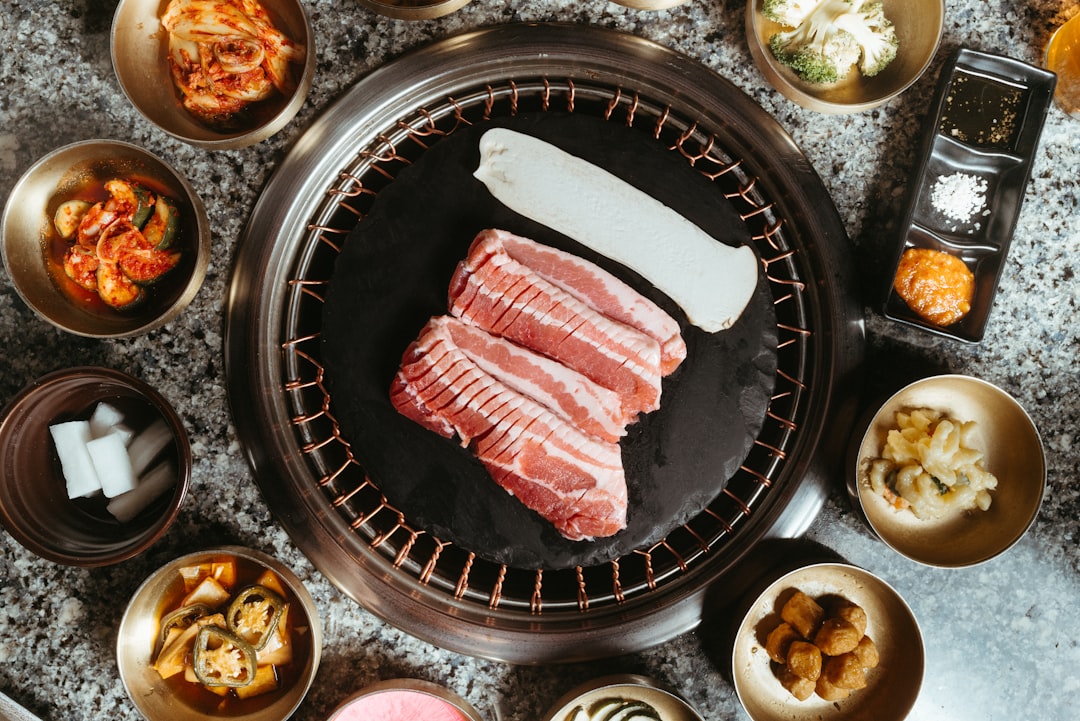
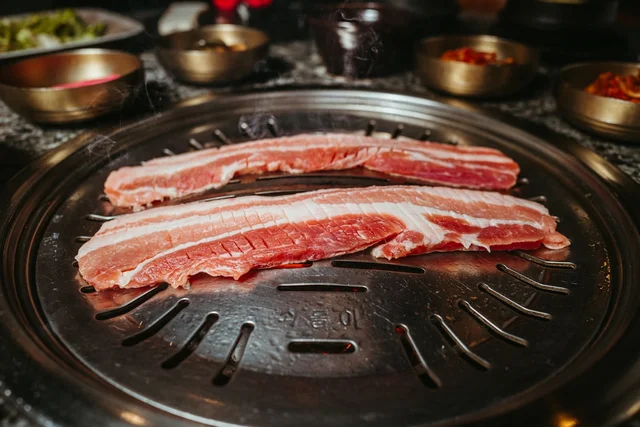
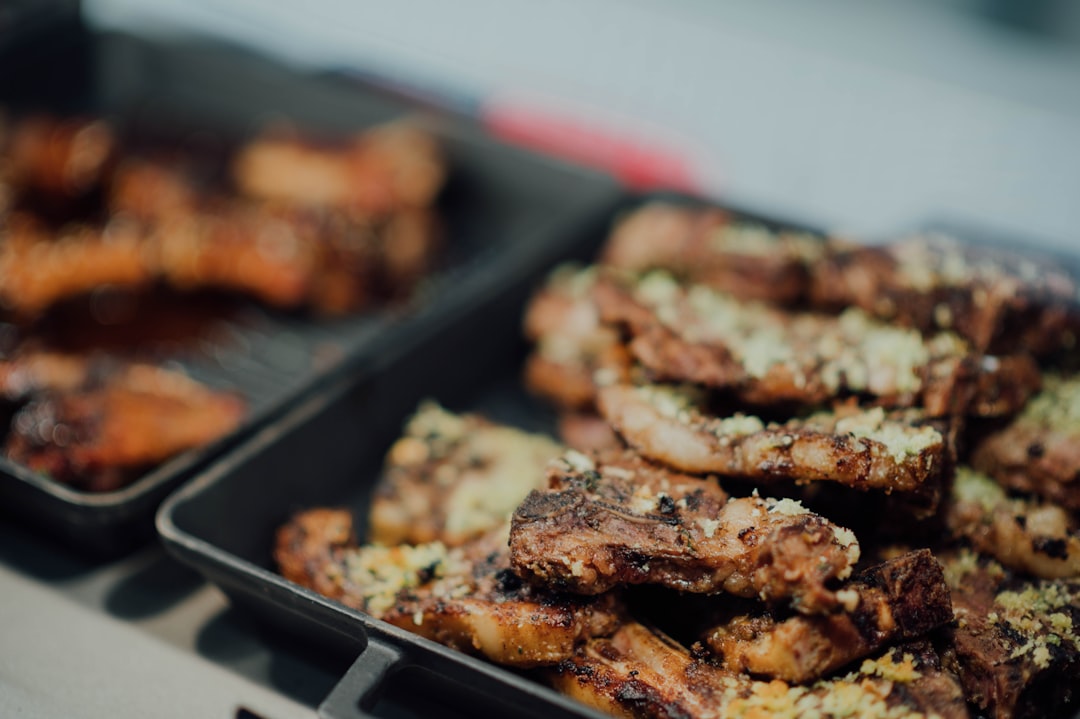
Grilled meat, a quintessential part of Korean food culture, is more than just cooking; it is a means of communication where people gather to share conversation. The key to Korean BBQ lies in preserving the meat's juices and maximizing flavor through precise heat control. In Korea, people particularly enjoy grilling various cuts, such as pork belly (samgyeopsal) or beef, directly on charcoal or a grill plate.

Criteria for selecting meat

  • Choose meat with a vibrant color and well-distributed marbling.
  • Chilled meat offers excellent texture and flavor, while frozen meat is a great value.
  • Adjusting the thickness of the meat according to the cut and intended use will enhance the overall flavor.

Heat control and temperature management

For successful grilling, the temperature of the heat source is paramount. Place the meat on a sufficiently preheated grill to seal in the juices and trigger the Maillard reaction on the surface for a rich, savory taste. Turning the meat too often causes juice loss, so it is ideal to flip it only once when juices start to appear on the surface. When using charcoal, the smoky aroma infuses the meat, but be careful to avoid direct contact with flames.
What are the perfect combinations to accompany grilled meat?

Korean BBQ is perfected not just by the meat itself, but by the variety of side dishes (banchan) and sauces served alongside it. These help balance the richness of the meat and provide nutritional harmony. Various side dishes and fresh vegetables play a crucial role in elevating the flavor of the meal.

Essential side vegetables and sauces

  • Lettuce and perilla leaves are the standard wraps for grilled meat.
  • Scallion salad (pajeori) is an essential spicy-tangy side dish that neutralizes the greasiness of the meat.
  • Garlic and chili peppers add a sharp, pungent kick and help cut through any gamey scent.
  • Ssamjang is a unique Korean fermented sauce that adds deep, savory complexity to the meal.

The role of kimchi and pickled vegetables

Grilled kimchi is an indispensable treat in Korean BBQ. The acidity of the kimchi blends with the savory fat of the meat to create a deep, balanced flavor. Additionally, pickled items like pickled perilla leaves or onions refresh the palate between bites. This harmonious composition is a major reason why Korean BBQ is loved worldwide, with each household or restaurant adding its own unique touch to the experience.

BBQ Serving Tableware

SHOP THE LOOK: BBQ Serving Tableware

3 Steps to enjoy grilled meat in a healthier and more delicious way

To enjoy grilled meat healthily, careful attention during the cooking process and the order of eating are important. Rather than just eating the meat alone, developing the habit of consuming it with vegetables aids digestion and allows you to enjoy a more diverse flavor profile.

Steps for cooking and eating grilled meat

  • Step 1: Preheat the grill thoroughly before cooking to create an environment that locks in the juices.
  • Step 2: Grill various vegetables like garlic, onions, and mushrooms alongside the meat to supplement nutrition.
  • Step 3: Place the meat, ssamjang, and grilled garlic onto a wrap leaf to create a bite-sized package.

A healthy grilled meat culture

Ensure proper ventilation to exhaust smoke generated during grilling and keep indoor air fresh. It is also recommended to trim away any charred parts. In Korea, it is common to finish a BBQ meal with dishes like soybean paste stew (doenjang-jjigae) or cold noodles (naengmyeon). This final touch cleanses the palate after the rich, oily meal and increases overall satisfaction. By using the right cooking methods and healthy side combinations, anyone can fully enjoy the charm of Korean BBQ.

Healthy BBQ Sets

SHOP THE LOOK: Healthy BBQ Sets

Frequently Asked Questions

How can I grill meat at home without the smell?+

Ventilation is the most important factor when grilling at home. Open all windows, set your range hood to maximum power, and preheat the grill thoroughly to shorten cooking time. Using parchment paper around the meat or a grease splash guard can also minimize mess and odors.

What is the best sauce for grilled meat?+

The best sauce for grilled meat is undoubtedly ssamjang. With a base of soybean paste and chili paste, it offers a rich umami flavor that maximizes the taste of the meat. For a lighter flavor, you can try a mixture of salt and sesame oil, or an onion-based soy sauce.

How can I prevent meat from sticking to the grill?+

Meat sticks to the grill when the surface temperature is too low or the meat is too wet. Preheat the grill sufficiently to raise the surface temperature, and use a paper towel to pat off excess moisture and blood from the meat before cooking. Lightly coating the grill with oil is also an effective method.

Share

Show us your style! Share with #kcultureworld on Instagram & TikTok.

About the author

김민중

Writes practical guides to Korean beauty and food for overseas readers — Olive Young, convenience stores, and how-to tips.

More from 김민중

Related Posts

Traditional Bibimbap Bowl Set

Food · 07/28/26

The History of Bibimbap and 3 Essential Ways to Enjoy It

Bibimbap is a classic Korean dish consisting of rice topped with fresh namul (seasoned vegetables), meat, and gochujang, all mixed together into a nutritious meal. This guide covers the origins of Bibimbap, ingredient preparation, and expert cooking tips to maximize its flavor. We have systematically organized everything from ingredient selection to the best mixing techniques for those seeking a healthy meal.

Comments

No sign-up or login required.

No comments yet. Be the first to comment.