How Korean Dessert Culture Has Evolved
Korean dessert culture originated from traditional Hangwa, which was enjoyed by royalty and the yangban (aristocratic) class, and has since evolved into sophisticated cafe menus with a modern twist. Sweet treats enjoyed after meals provide emotional satisfaction for Koreans, and in recent years, menus that prioritize visual aesthetics have gained immense popularity.
Characteristics of Traditional Hangwa
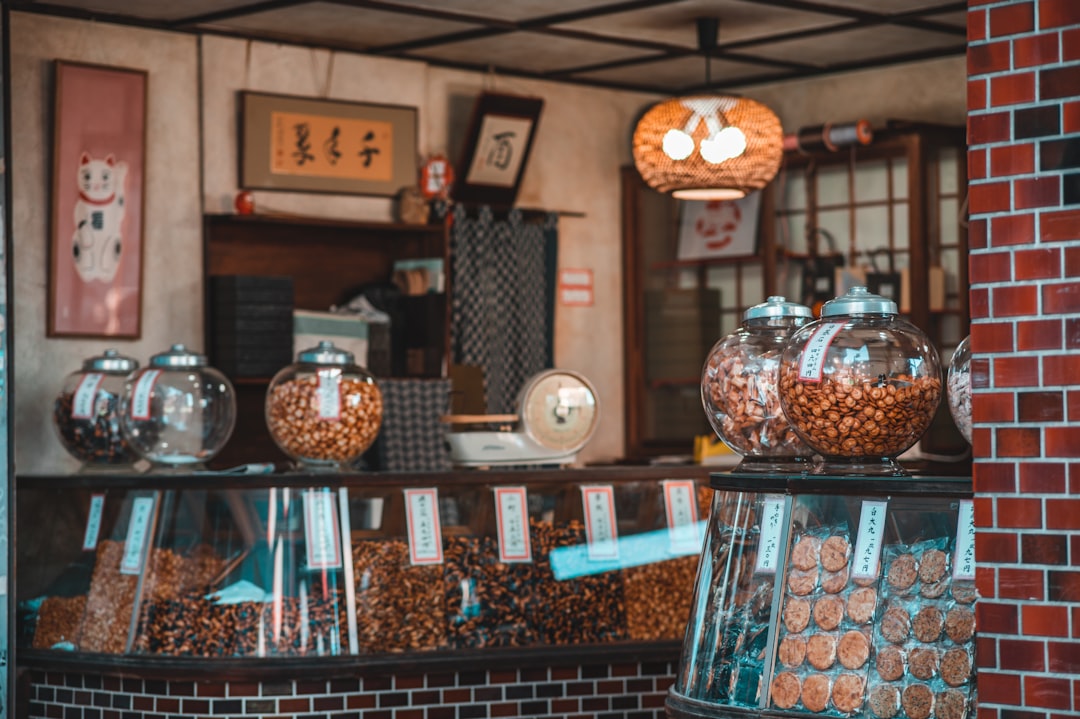
Traditional snacks are characterized by their natural sweetness, using grains, fruits, and nuts as primary ingredients. Instead of artificial additives, honey or grain syrup (jocheong) is used to emphasize a wholesome, healthy flavor.
- Yakgwa: A confection made by deep-frying a dough of flour, sesame oil, and honey, then soaking it in a honey-based syrup.
- Yugwa: A crispy and light snack made by frying glutinous rice dough and coating it with various toppings.
- Dasik: Carefully crafted, bite-sized treats made by kneading grain flour with honey and pressing it into decorative molds.
The Evolution of Modern Desserts
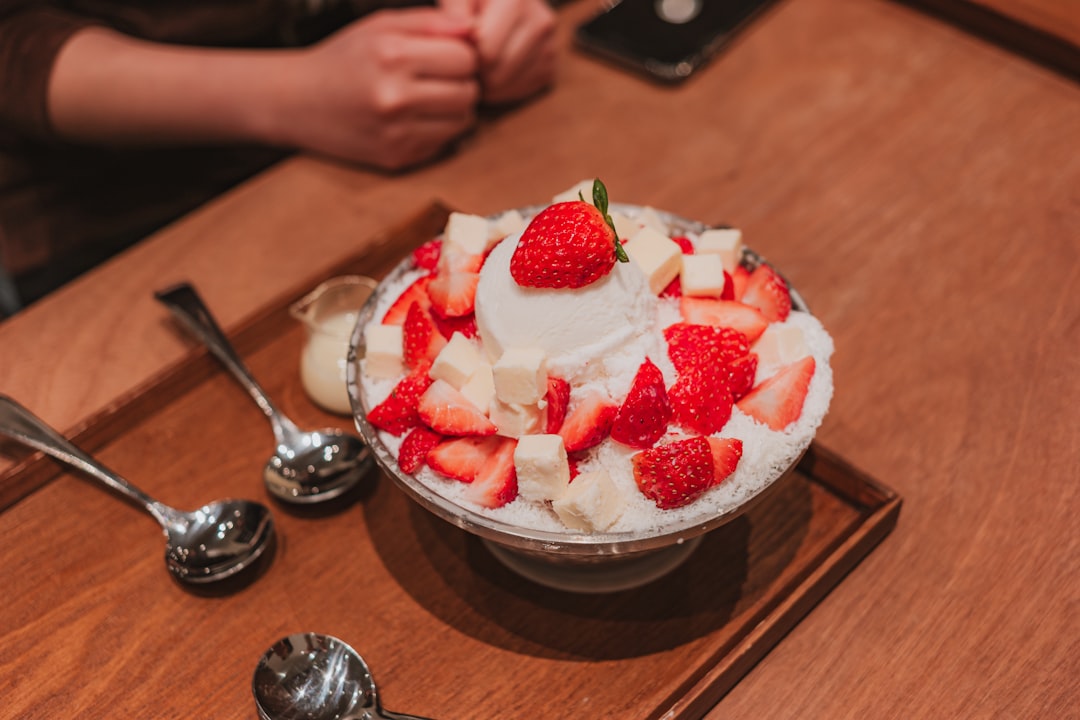
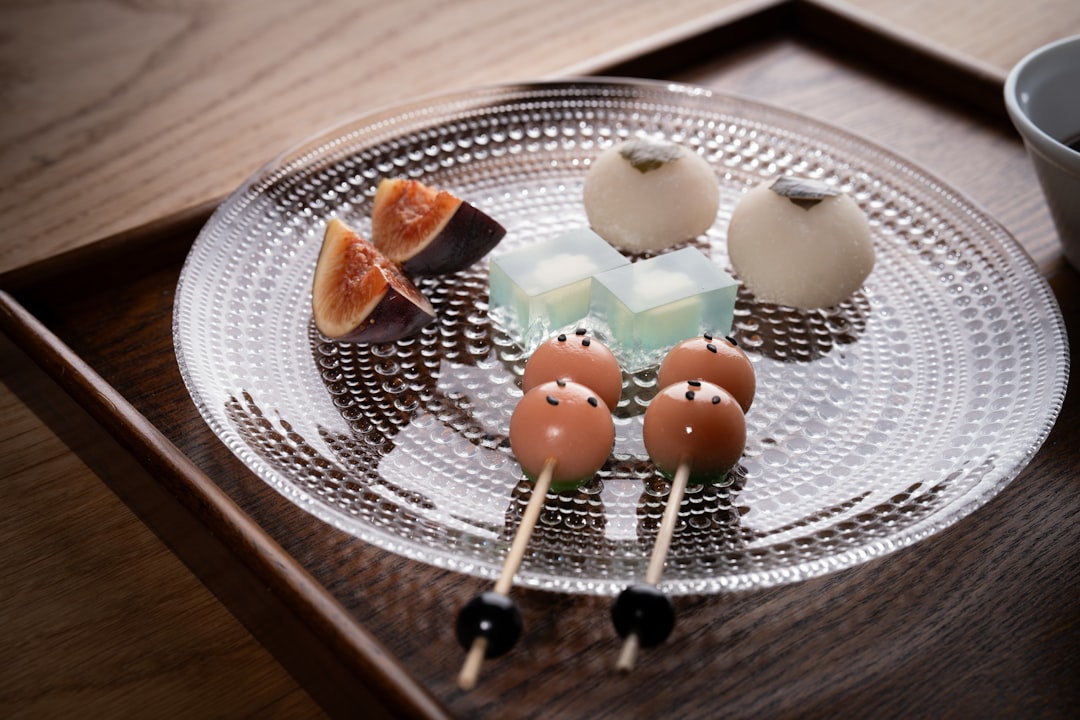
Modern Korean cafe culture reinterprets traditional ingredients to create new flavors. Cakes and ice creams utilizing ingredients like black sesame, injeolmi (roasted soybean powder rice cake), and mugwort are highly popular among both the younger generation and international tourists. This fusion style offers a unique culinary experience exclusive to Korea.