K-Culture World

Food · 2026. 7. 28.

Types of Korean Street Food and 4 Ways to Enjoy Them

BY 김민중

Essential Travel Guide for a Successful Visit to Korea

5 Representative Korean Street Food Menus

Korea's street food culture is incredibly diverse, with many dishes that can be easily enjoyed anywhere in the country. We have selected the most popular items among foreign tourists and summarized their characteristics.

The Icons of Bunsik: Tteokbokki and Fried Snacks

Tteokbokki is a symbolic Korean snack made by simmering chewy rice cakes in a spicy and sweet gochujang-based sauce. It is standard practice to pair it with fried snacks or sundae (blood sausage). Fried items come in various types, such as squid, sweet potato, and seaweed rolls (gimmari), and their flavor is enhanced when dipped in tteokbokki sauce.

Sweet Winter Snack: Hotteok

Hotteok is a snack made by filling dough with sugar, nuts, and cinnamon, then frying it until crispy. It is especially popular in winter, and caution is needed when eating fresh hotteok as the sugar syrup inside can be very hot. Recently, 'seed hotteok,' packed with various seeds, has gained massive popularity, particularly in Busan.

Crispy and Savory Bungeoppang

Bungeoppang is a classic winter street snack made by pouring batter and red bean paste into a fish-shaped mold and baking it. Recently, a wider variety of fillings have been introduced, including custard cream, sweet potato, and pizza sauce, offering more choices. It is characterized by its crispy exterior and soft, moist interior.
Korean Snack Tools

SHOP THE LOOK: Korean Snack Tools

How to Enjoy Street Food Hygienically

Because street food is prepared on-site at stalls, it is wise to pay attention to hygiene and safety. We recommend following these guidelines for a pleasant gastronomic experience.

Considerations When Choosing a Stall

  • Check if the cooking station and surrounding area are kept clean.
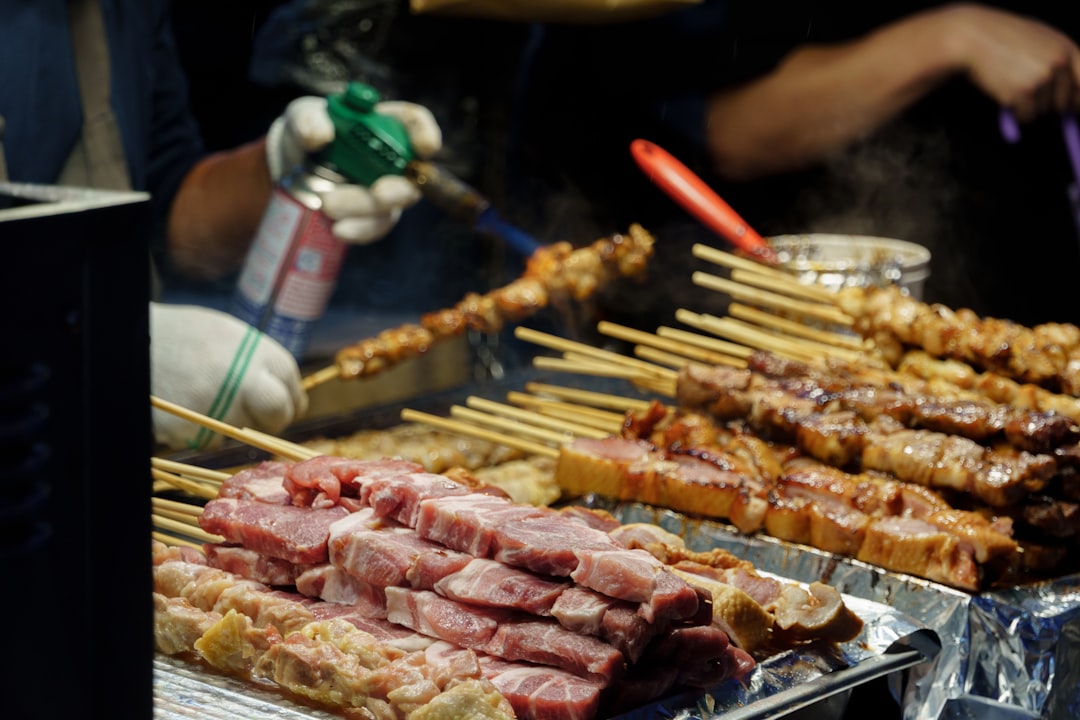
  • Observe whether the vendor uses hygienic gloves or proper cooking tongs.
  • It is best to check if ingredients are protected by covers or glass shields to prevent exposure to dust.

Hygiene Management Before and After Eating

  • Before eating street food, clean your hands thoroughly using portable hand sanitizer or wet wipes.
  • Check if sauce containers or skewers are being reused by multiple people; it is safer to choose stalls that use disposable items whenever possible.
  • After eating, dispose of your waste neatly in the provided bins to show respect for local culture.
Hygiene Essentials

SHOP THE LOOK: Hygiene Essentials

Tips for Enjoying Street Food Even More

Beyond just buying food, there are several ways to enjoy street food 200% like a local. Understanding Korea's market culture will make your trip even more enriching.

Market Tours to Feel the Local Vibe

Traditional markets like Gwangjang Market or Mangwon Market are the meccas of Korean street food. Here, the fun lies in buying small portions of various foods to share with friends. Eating in the vibrant atmosphere unique to these markets provides not only great taste but also unforgettable memories.

Payment and Usage Tips

  • Many stalls still primarily accept cash, so it is a good idea to have some small bills on hand.
  • While the number of stalls accepting card or mobile payments is increasing, having cash prepared in advance ensures you can order quickly without any hassle.
  • If a menu name is unfamiliar, observe what others are ordering, or simply point and say, 'Give me one of these,' which makes communication much smoother.
Market Tour Fashion

SHOP THE LOOK: Market Tour Fashion

Frequently Asked Questions

Where can I find the most street food?+

Street food is most easily found in areas with high concentrations of stalls in major tourist spots like Myeong-dong, Gwangjang Market, and the streets of Hongdae in Seoul. Visiting a traditional market allows you to taste a variety of Korean street snacks like tteokbokki, sundae, and bindaetteok all in one place, especially in the evening when the atmosphere is lively.

Is cash absolutely necessary for paying for street food?+

While some street food vendors still prefer cash, the number of stalls equipped with card terminals has increased rapidly. However, small stalls in traditional markets may still only accept cash, so having small bills (10,000 KRW units) prepared in advance is the most convenient and fastest way to complete your order.

Which street food do you recommend for foreigners?+

For those trying street food for the first time, we highly recommend sweet hotteok or bungeoppang. Tteokbokki is worth a try if you want to experience authentic Korean spicy flavors. If you are not good with spice, we recommend choosing soy-based dakgangjeong (sweet crispy chicken) or fried sweet potato to enjoy the taste of Korea without any burden.

Share

Show us your style! Share with #kcultureworld on Instagram & TikTok.

About the author

김민중

Writes practical guides to Korean beauty and food for overseas readers — Olive Young, convenience stores, and how-to tips.

More from 김민중

Related Posts

Traditional Bibimbap Bowl Set

Food · 07/28/26

The History of Bibimbap and 3 Essential Ways to Enjoy It

Bibimbap is a classic Korean dish consisting of rice topped with fresh namul (seasoned vegetables), meat, and gochujang, all mixed together into a nutritious meal. This guide covers the origins of Bibimbap, ingredient preparation, and expert cooking tips to maximize its flavor. We have systematically organized everything from ingredient selection to the best mixing techniques for those seeking a healthy meal.

Comments

No sign-up or login required.

No comments yet. Be the first to comment.