K-Culture World

Food · 2026. 7. 25.

How to Enjoy Delicious Grilled Meat and Essential Korean BBQ Guide

BY 김민중

How to Enjoy Delicious Grilled Meat and Essential Korean BBQ Guide

Meat Selection and Preparation for Maximum Flavor

Great grilled meat starts with choosing fresh ingredients. The essence of Korean-style barbecue lies in adjusting your grilling method based on the marbling and thickness of the meat. To maximize flavor, it is important to bring the meat to room temperature before cooking, which helps ensure it cooks evenly throughout.

Standards for Selecting Fresh Meat

  • Choose beef that has a vibrant red color with evenly distributed fat.
  • For pork belly (samgyeopsal), look for clear, distinct layers of lean meat and fat with a pinkish hue.
  • Take the meat out of the refrigerator 20 minutes before cooking; this temperature adjustment is key to retaining juices.

The Importance of Seasoning

  • Lightly season beef with salt and pepper just before grilling.
  • For pork, you can use a splash of cooking wine or dried herbs to remove any gamey odors.
  • Pat the surface of the meat dry with a paper towel to minimize oil splattering and achieve a crispier texture.

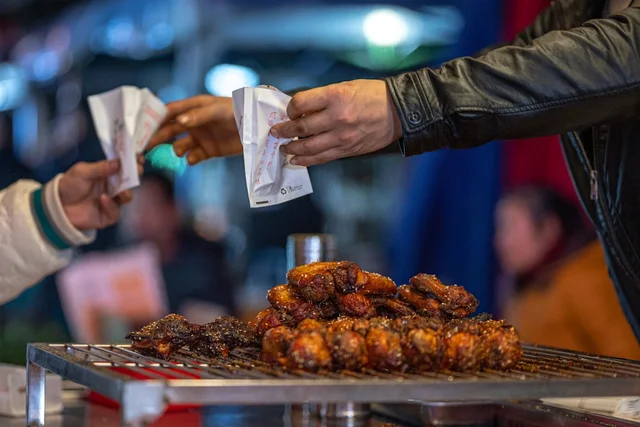
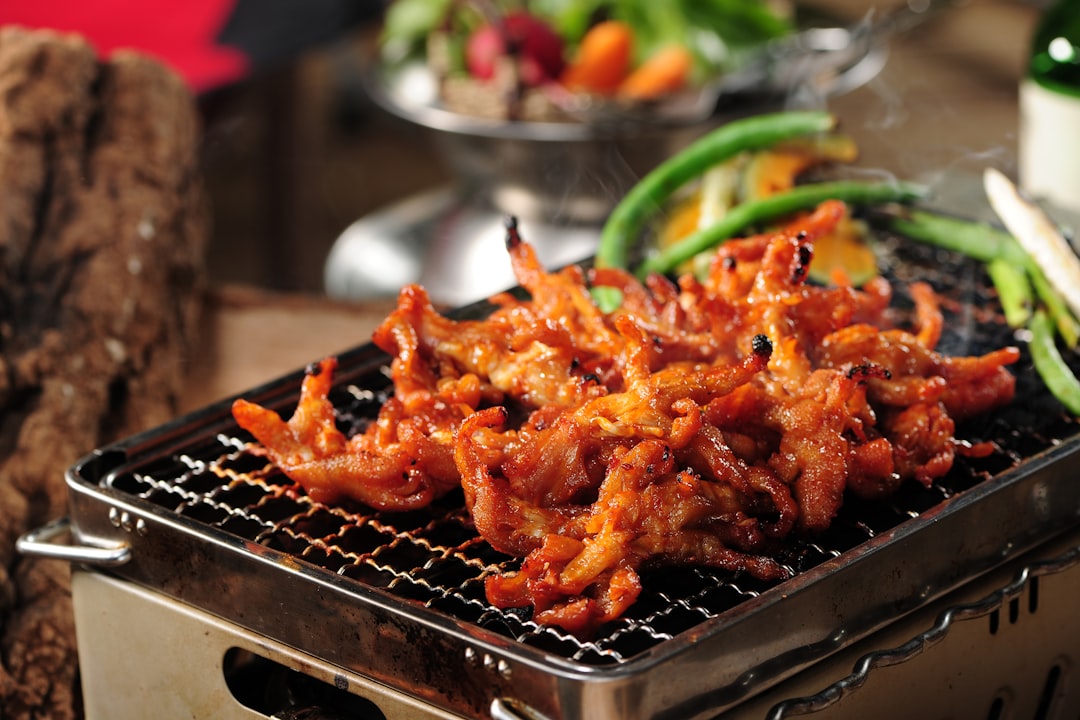
The most critical factor in grilling is the temperature of the pan. The pleasant sizzling sound when the meat hits a hot pan is a sign of the Maillard reaction, which unlocks intense flavor. Rather than flipping the meat frequently, turn it only once or twice when one side is fully seared to lock in the juices.
Best Vegetable Pairings and Sauces for Grilled Meat

To enjoy grilled meat in a healthier and more delicious way, various side dishes are essential. In Korea, lettuce wraps, seasoned scallions (pajeori), and various fermented pastes are served to neutralize the richness of the meat and balance nutrition. These combinations do more than just add flavor; they create a diverse and satisfying dining experience.

Essential Wraps and Pastes

  • Lettuce and perilla leaves are the standard wraps used to cut through the greasiness of the meat.
  • Ssamjang, a Korean sauce made by mixing soybean paste and chili paste, enhances the savory umami of the meat.
  • Garlic and chili peppers provide a sharp, spicy kick that provides a clean finish to the rich flavors.

Appetizing Scallion Salad and Kimchi

  • Pajeori is a Korean-style salad made with thinly shredded green onions tossed in chili powder, vinegar, and soy sauce.
  • Kimchi grilled on the pan absorbs the rendered meat fat, creating a fantastic pairing.
  • Pickled onions in a soy-based sauce aid digestion and provide a refreshing crunch when eaten with the meat.

Regarding sauces, it is common to dip beef in a simple salt-and-sesame oil mixture to enjoy its natural flavor, while pork is typically paired with ssamjang or fermented anchovy sauce (meljeot). These combinations make the dining table more abundant, elevating the meal into a gourmet experience.

Post-Grilling Cleanup and Pan Maintenance

After enjoying a delicious meal, cleanup and maintenance of your grill pan are paramount. Since animal fat solidifies quickly at room temperature, it is most efficient to clean while the pan is still warm. Proper care will extend the lifespan of your equipment and ensure the best flavor for your next meal.

Safe Methods for Removing Grease

  • Immediately after cooking, use paper towels to perform the first pass of grease removal.
  • If the grease is stubborn, use a mixture of warm water and baking soda to clean it off without harsh chemical detergents.
  • Washing the pan before it cools completely makes it easier to remove stuck-on residue.

Tips for Removing Odors After Grilling

  • If you cooked indoors, ventilate the area immediately and run an air purifier.
  • Placing tea leaves or used coffee grounds in the room can help absorb lingering meat odors quickly.
  • Using a pan with a lid during cooking can prevent grease from splattering everywhere, reducing the cleanup area.

In Korea, it is traditional to finish a grilled meat meal with a serving of soybean paste stew or cold noodles. This menu structure cleanses the palate from the rich, oily flavors and keeps the joy of the meal going until the very end. With clean maintenance and a thoughtful finish, the culture of grilling becomes a truly complete dining experience.

Frequently Asked Questions

How can I minimize smoke when grilling meat?+

To minimize smoke, it is important to maintain the correct pan temperature. Preheat the pan thoroughly before adding the meat, but control the heat carefully to prevent the oil from burning. Additionally, removing all surface moisture from the meat significantly reduces splattering and smoke. Always run your ventilation hood at maximum power during cooking.

What cuts of meat do you recommend for grilling?+

The best cut depends on personal preference, but for beef, sirloin or ribeye are the most popular. For pork, if you prefer a savory, rich taste, we recommend pork belly or pork jowl (hangjeongsal). If you prefer leaner cuts, beef tenderloin or pork shoulder are excellent choices for a light and tender flavor.

What is the secret to grilling meat at home like a restaurant?+

The key is to trigger the Maillard reaction. Preheat your pan thoroughly to sear the surface quickly, which locks in the juices. Additionally, season with salt and pepper during the process and bring the meat to room temperature before cooking to ensure the internal temperature is optimal, resulting in a much more tender and flavorful dish.

Share

Show us your style! Share with #kcultureworld on Instagram & TikTok.

About the author

김민중

Writes practical guides to Korean beauty and food for overseas readers — Olive Young, convenience stores, and how-to tips.

More from 김민중

Related Posts

How to Make Delicious Bibimbap and a Guide to Healthy Ingredient Combinations

Food · 07/25/26

How to Make Delicious Bibimbap and a Guide to Healthy Ingredient Combinations

Bibimbap is a quintessential Korean traditional dish, known for its excellent nutritional balance of fresh vegetables, meat, and gochujang mixed with rice. This guide details the fundamental components of Bibimbap, how to select ingredients to maximize flavor, and essential step-by-step cooking tips you can easily follow at home.

Comments

No sign-up or login required.

No comments yet. Be the first to comment.