The Definition and Cultural Background of Korean Desserts
Korean dessert culture began with the luxurious refreshments once enjoyed in the royal court and has evolved into a unique culinary field that is gaining global attention. In Korea, desserts are more than just post-meal snacks; they are an important cultural element that captures the changing seasons and reflects a spirit of hospitality.
Characteristics of Traditional Desserts
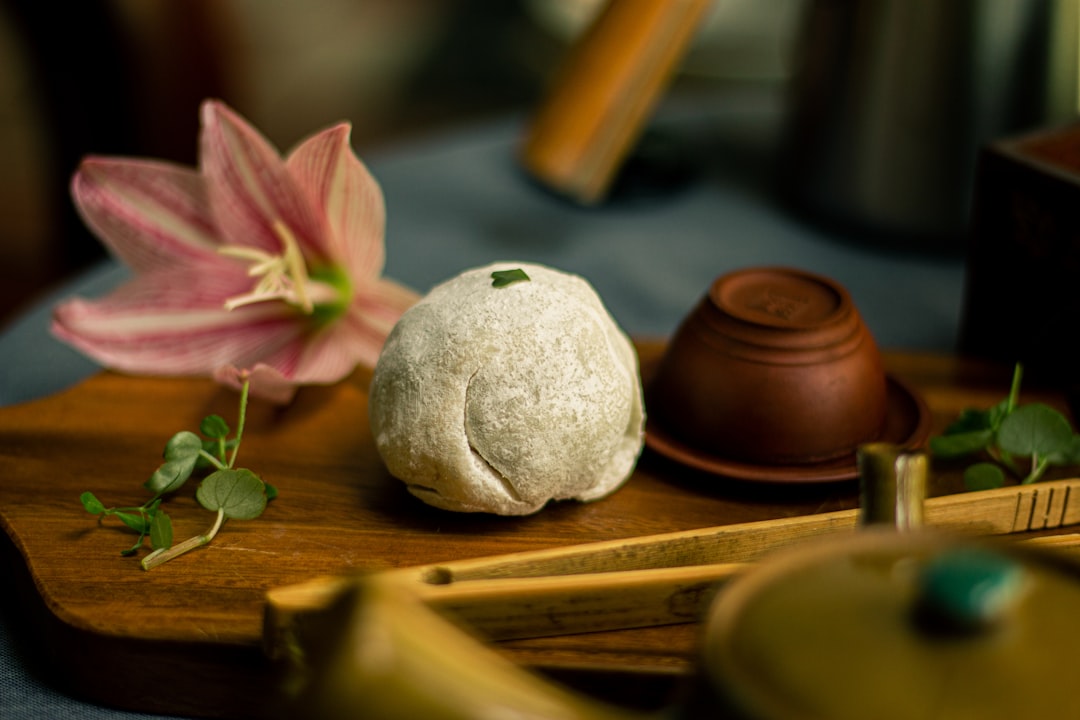
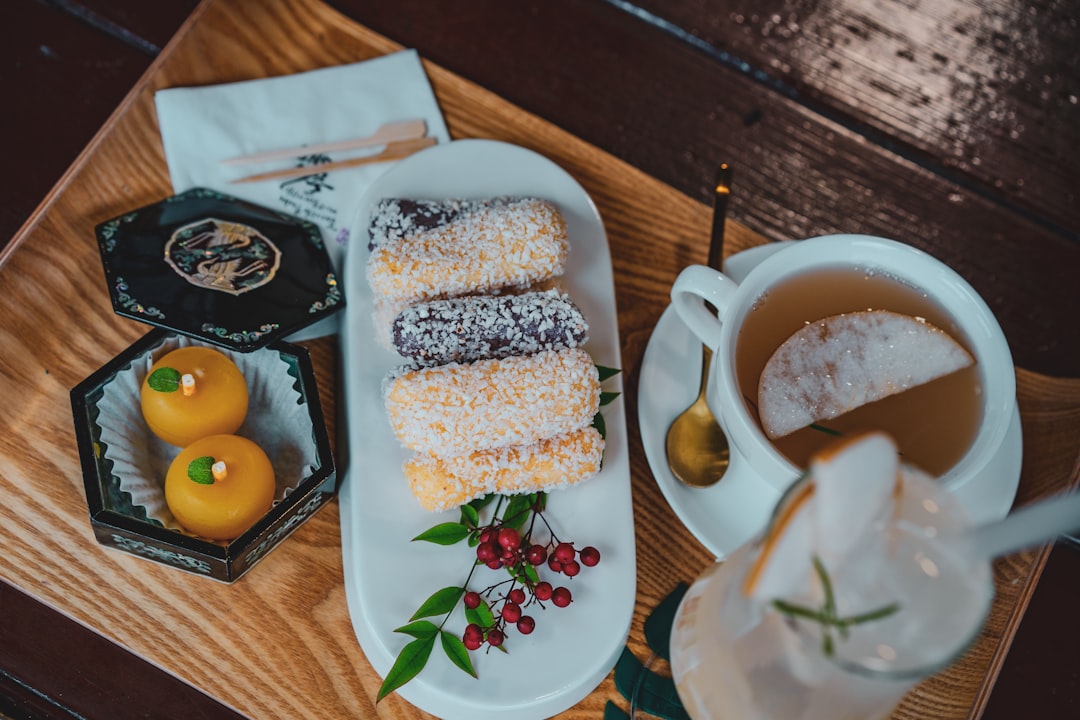
Traditional Korean snacks, such as rice cakes (tteok) and honey-based confectionery (hangwa), are characterized by the use of natural ingredients. By using grains, nuts, fruits, and honey as primary ingredients, the focus is on highlighting the natural flavors of the ingredients rather than artificial sweetness.
- Rice and glutinous rice are used as main ingredients to emphasize a chewy texture.
- Honey and grain syrup are used to create a subtle and gentle sweetness.
- Seasonal flowers, mugwort, and red beans are utilized to harmonize color and nutrition.
Harmony with Modern Desserts
Recently, the Korean dessert market has seen great popularity in fusion styles that combine traditional ingredients with modern baking techniques. By incorporating Korean ingredients like black sesame, injeolmi (roasted soybean powder), and mugwort into cakes or macarons, new flavors are being created that everyone, young and old, can enjoy.