K-Culture World

Food · 2026. 7. 31.

The Joy of Traveling in Korea: A Guide to Street Food Types and How to Eat Them

BY 김민중

Essential Travel Guide for a Successful Visit to Korea

Must-Try Street Food on Your Trip to Korea

Korea's street food culture is highly dynamic, offering a variety of menus that change with the seasons. Easily found in major markets and busy streets, these foods are closely tied to the daily lives of Koreans. In particular, Korean-style snacks (bunsik) are popular with travelers as they provide a satisfying meal at an affordable price.

Iconic Snack Menu

  • Tteokbokki: Korea's representative snack made by cooking rice cakes in a spicy and sweet gochujang-based sauce.
  • Eomuk (Fish Cake): Fish paste patties served on skewers in a warm, savory broth.
  • Gimbap: A dish made by rolling rice and various fillings in seaweed, perfect for eating on the go.

Seasonal Favorite Snacks

  • Winter Snacks: Hotteok (sweet pancakes), bungeoppang (fish-shaped bread), and roasted sweet potatoes are classic winter treats that warm you up in the cold weather.
  • Summer Snacks: Refreshing sikhye (sweet rice drink) or slushie-style beverages are commonly sold on the streets.

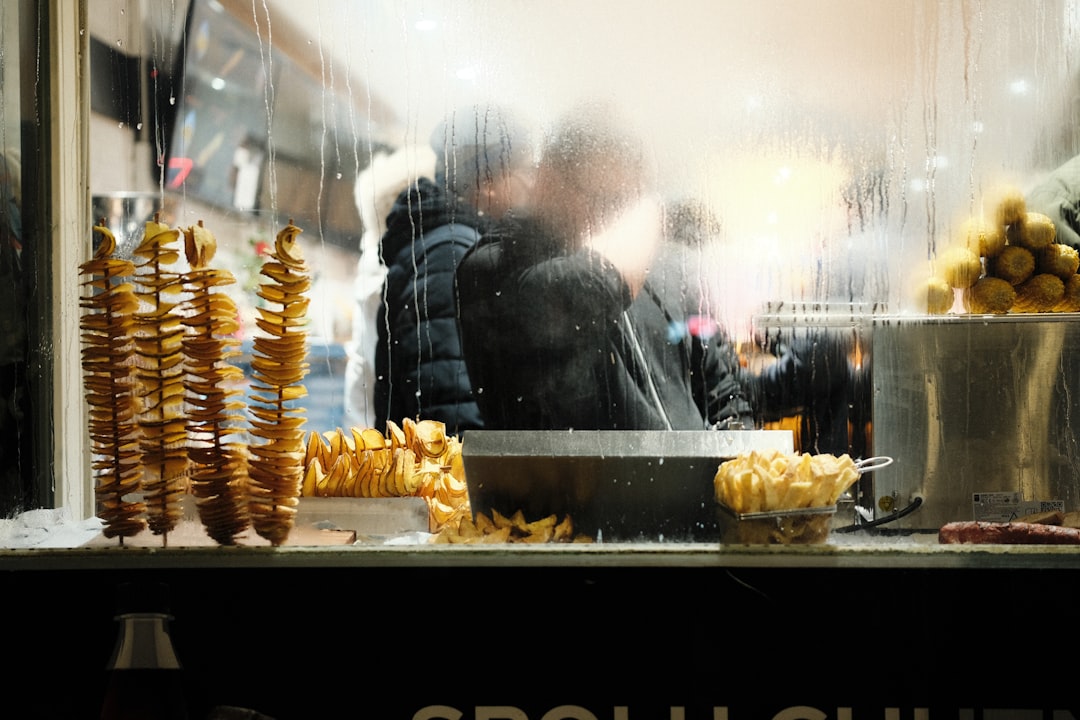
Korea's street food culture goes beyond just eating; it serves as a social space where people stand and share food while interacting with others. For first-time visitors, we recommend ordering tteokbokki and fried snacks together to dip the fried items into the sauce.
Buy Korean Snack Sets

SHOP THE LOOK: Buy Korean Snack Sets

3 Steps to Enjoying Street Food Hygienically

Street food is often prepared outdoors, so it is wise to pay attention to hygiene and safety. Choosing stalls with high turnover—where locals frequently visit—ensures you get the freshest food. Here are the key steps for a safe and enjoyable street food experience.

How to Choose a Smart Stall

  • Check Turnover: Choose places where there is a constant stream of customers and food is consumed as soon as it is prepared.
  • Check Cooking Conditions: Ensure that cooking utensils are kept clean and ingredients are well-protected with covers.
  • Check Hygiene: Observe whether the vendor wears cooking gloves or uses sanitary tools.

Proper Eating Etiquette

  • Use Disposables: Most street stalls provide disposable paper cups or skewers. It is important to dispose of them properly in designated trash bins.
  • Prepare Cash: While card payments are increasingly accepted, small stalls often still prefer cash, so it is convenient to carry some small denominations.

When buying food on the street, it is best to eat within the designated area near the stall so as not to obstruct pedestrian traffic. Such small considerations make Korea's street culture more mature.

Street Food Price Range and Buying Tips

Korean street food is generally affordable, making it effective for saving on travel expenses. While prices vary by menu, you can experience a variety of flavors for between 1,000 and 5,000 KRW. Trying small portions of various foods according to your budget is an efficient way to enjoy a culinary trip.

Cost-Effective Menu Combinations

  • Set Orders: Ordering a combination of tteokbokki, fried snacks, and sundae (blood sausage) allows you to enjoy a wider variety of flavors economically.
  • Market Tours: Stalls located within traditional markets often offer slightly lower prices and larger portions than those in general busy downtown areas.

Payment and Usage Tips

  • Bank Transfers: If you are short on cash, many vendors allow bank transfers. Familiarizing yourself with Korean banking apps or mobile payment services beforehand can be helpful.
  • Check Business Hours: Street stalls usually start late in the afternoon and operate until late at night. It is better to visit during the evening hours or at night markets rather than at lunchtime.

Korean street food is like soul food, infused with the emotions of the Korean people. It is more than just a way to fill your stomach; it is a gateway to quickly checking the latest trends and food culture in Korea. We hope you wander around and find your own personal favorite street food.

Frequently Asked Questions

What is street food?+

Street food refers to convenient snacks sold at outdoor stalls or small kiosks on the street. Korea's street food, including tteokbokki, fish cakes, bungeoppang, and hotteok, is incredibly diverse, allowing you to experience both traditional flavors and modern culinary trends at an affordable price.

How can I enjoy street food even more?+

To enjoy street food like a local, try the classic combination of ordering tteokbokki and fried snacks, then dipping the fried items into the tteokbokki sauce. Also, fish cake broth is often provided for free; drinking it warm helps cleanse the palate from oily flavors, making your meal much more enjoyable.

What are the criteria for finding a hygienic street food stall?+

When choosing a street food stall, it is best to find a place with many customers and high food turnover. Check if the cooking area is tidy and if ingredients are stored hygienically. Additionally, selecting stalls with well-managed waste disposal nearby is a great way to ensure a safe and pleasant dining experience.

Share

Show us your style! Share with #kcultureworld on Instagram & TikTok.

About the author

김민중

Writes practical guides to Korean beauty and food for overseas readers — Olive Young, convenience stores, and how-to tips.

More from 김민중

Related Posts

4 Essential Steps and Ingredient Harmony for Delicious Bibimbap

Food · 07/31/26

4 Essential Steps and Ingredient Harmony for Delicious Bibimbap

Bibimbap is a representative traditional Korean dish made by mixing fresh vegetables, meat, and gochujang with rice. This guide details the origins, nutritional profile, and 4 key steps to perfectly prepare it at home. Check out these cooking tips for those pursuing a healthy diet.

Comments

No sign-up or login required.

No comments yet. Be the first to comment.