Why Korean dessert culture is so beloved
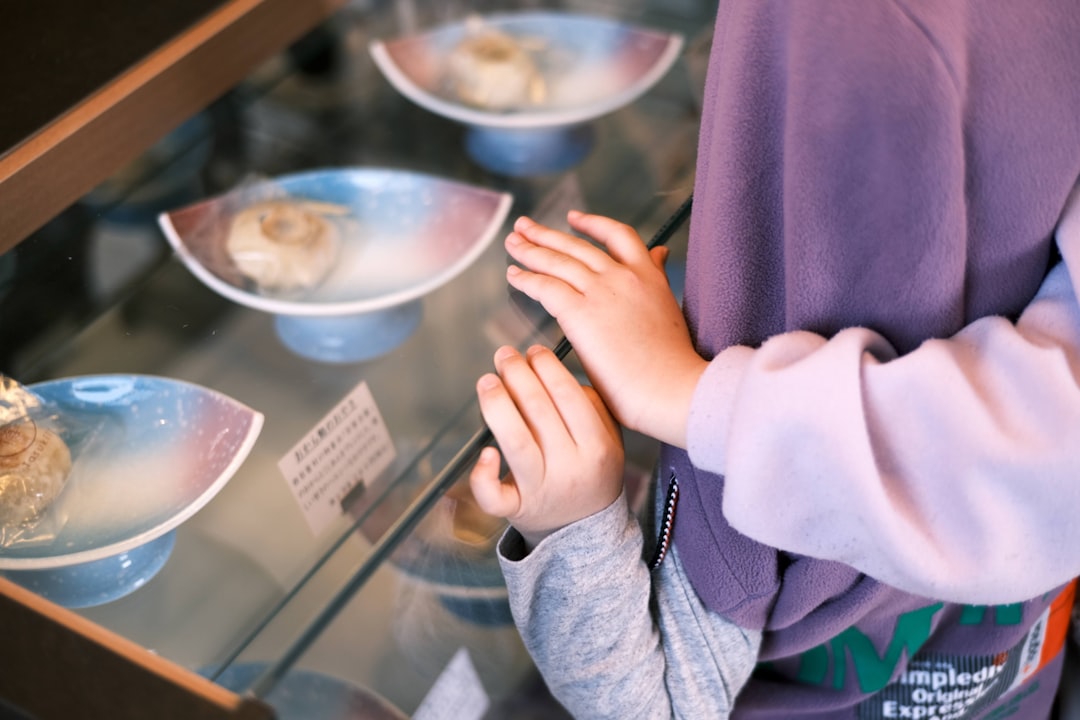
The Korean dessert market is gaining global attention by reinterpreting traditional ingredients in a modern way. Rice cakes (tteok) and traditional confectionery (hangwa), once reserved for holidays or special occasions, have now become staples in everyday cafe menus. The unique flavors derived from healthy, natural ingredients serve as a major attraction.
Modern transformation of traditional ingredients
The most notable aspect of Korea's snack culture is the incorporation of traditional ingredients like red bean, black sesame, mugwort, and injeolmi (roasted soybean powder) into cakes and ice cream. These combinations offer a deep, savory, and well-balanced flavor profile without being overly sweet.
- Black Sesame Latte: A uniquely Korean drink topped with savory black sesame cream
- Mugwort Cake: A fragrant dessert that balances the herbal notes of mugwort with coffee
- Injeolmi Toast: A menu item that offers both the chewy texture of rice cake and the crunch of toasted bread
The combination of cafe tours and desserts
Korea has a highly developed cafe culture, where enjoying high-quality snacks in aesthetically pleasing spaces has become a cultural activity. It is characterized by consuming not just sugar, but also visual pleasure and the atmosphere of the space itself.