K-Culture World

Food · 2026. 7. 30.

Korean Dessert Trends and 5 Must-Try Menu Guide

BY 김민중

Korean Dessert Trends and 5 Must-Try Menu Guide

Characteristics and Evolution of Korean Dessert Culture

Korean desserts have evolved widely, from traditional snacks once enjoyed in the royal court to sophisticated modern cafe menus. In Korean food culture, desserts are an essential element for cleansing the palate after a meal or accompanying tea, with the key being to highlight the natural flavors of the ingredients.

Modern Reinterpretation of Traditional Snacks

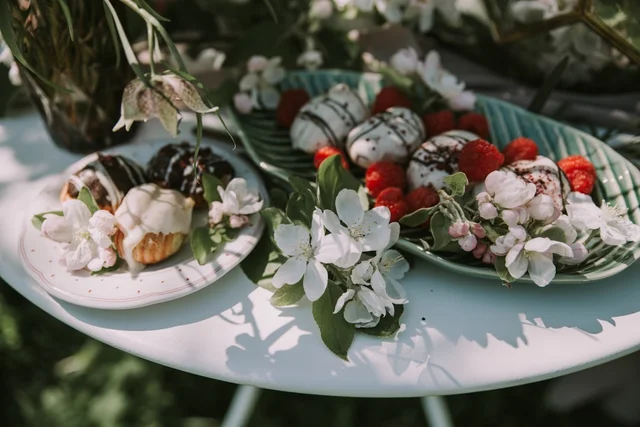
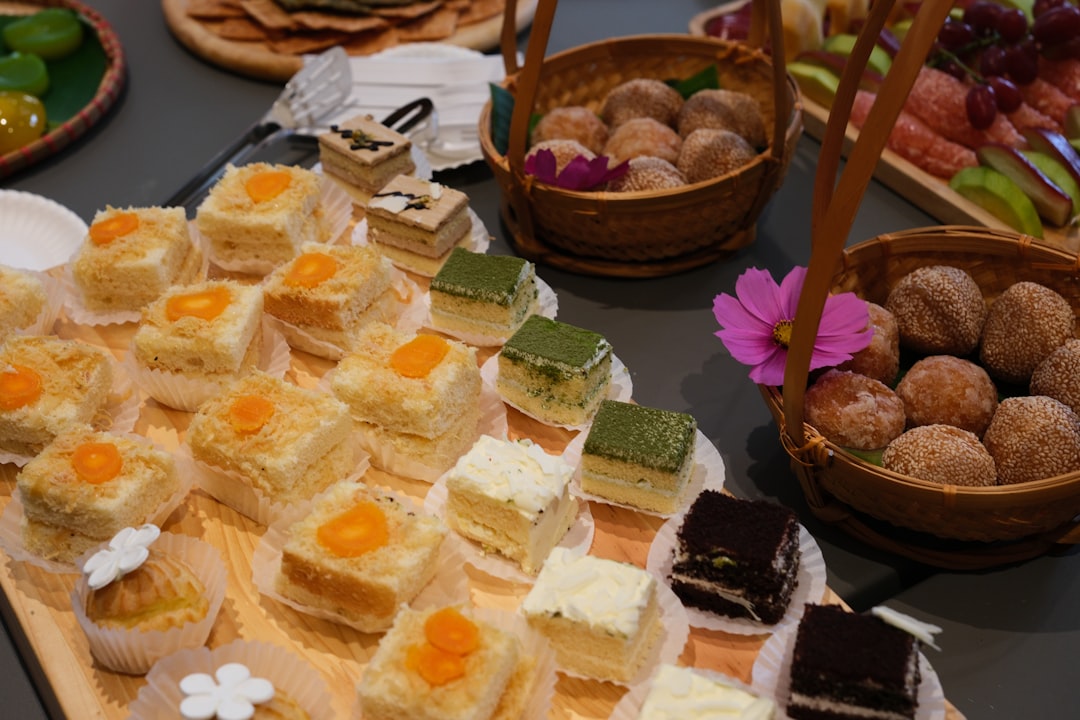
In the past, food made primarily from grains, such as tteok (rice cakes) and hangwa (traditional confectionery), dominated, but recently, menus that reinterpret these with a modern sensibility have gained immense popularity. Representative examples include cakes or macarons that utilize traditional ingredients like red beans or black sesame.

  • Nutty flavors utilizing grain powders
  • A preference for mild, not overly sweet tastes
  • Utilization of seasonal fruits to highlight freshness

Why Dessert Culture Has Flourished

Korea is a country with a highly developed cafe culture, where gathering with friends or acquaintances to enjoy tea and sweet treats is a routine social activity. Thanks to this environment, new menus are released every season, and visually stunning snacks that offer aesthetic pleasure are constantly being developed. It has now moved beyond simple food to become a form of cultural content.

Traditional Tea Sets

SHOP THE LOOK: Traditional Tea Sets

5 Representative Korean Desserts You Must Try

There are certain menu items you must try when visiting Korea or exploring a Korean cafe. Each item possesses a unique texture and flavor, making them optimal for experiencing Korean food culture.

  • Patbingsu: A representative Korean summer treat consisting of finely shaved ice topped with sweet red bean paste and rice cakes.
  • Hotteok: A street food made by filling wheat dough with brown sugar and nuts, then pan-frying it.
  • Yakgwa: A traditional pastry made by frying dough mixed with honey and sesame oil, known for its chewy texture.
  • Bungeoppang: A must-have winter snack made by baking wheat batter filled with red bean paste or custard in a fish-shaped mold.
  • Injeolmi: A traditional rice cake coated in roasted soybean powder, offering a nutty and chewy experience.

How to Choose Your Menu

It is best to consider your personal preferences when choosing a menu. If you prefer warm foods, freshly grilled Hotteok or Bungeoppang are suitable, while if you crave something cool and sweet, Patbingsu or Injeolmi ice cream are recommended. Especially lately, there is a wide range of choices due to the many fusion menus utilizing these traditional ingredients.

Popular Korean Snacks

SHOP THE LOOK: Popular Korean Snacks

3 Ways to Enjoy Desserts Even More

To properly experience the taste of Korea, pairing with beverages and the order of consumption are important. Beyond simply enjoying the sweetness, here are suggestions to maximize the flavors of the ingredients.

Pairing Tips with Beverages

  • Harmony with Tea: Snacks containing red beans or grains are best paired with warm green tea or barley tea to enhance their nutty flavor.
  • Harmony with Coffee: Sweet desserts are perfectly balanced when enjoyed with a bitter Americano, which neutralizes the sweetness.
  • Order of Consumption: It is recommended to choose fruit-based or light-textured snacks immediately after a meal, and heartier rice cakes or breads during the afternoon.

Precautions and Storage

Most Korean snacks do not contain preservatives, so it is best to consume them as soon as possible after purchase. In particular, rice cakes or Bungeoppang can harden over time, so if storage is necessary, it is recommended to seal them, freeze them, and then thaw them naturally or warm them up slightly. Using these small tips will allow you to recreate the taste of a Korean cafe right at home.

Frequently Asked Questions

Which types of desserts do foreigners prefer the most?+

Among desserts, the most popular items for foreigners are definitely Patbingsu and Hotteok. Patbingsu is considered a summer essential due to the unique harmony of cool ice and sweet red beans, while Hotteok shows overwhelming preference among street foods due to its warm, crispy texture cooked on the spot.

What is the difference between traditional and modern desserts?+

Traditional desserts emphasize the natural, mild flavors of ingredients like grains, honey, and nuts, typically taking the form of rice cakes or traditional confectionery. In contrast, modern desserts combine these traditional ingredients with Western baking techniques like cakes, macarons, and ice cream to achieve striking visuals and bold flavors.

Are there ways to enjoy Korean-style desserts deliciously at home?+

When enjoying Korean desserts at home, it is good to pay attention to the beverages you pair them with. Menus containing red beans or soybean powder come alive with warm barley tea or green tea, while sweet breads are perfectly balanced when paired with a bitter Americano, making them even more delicious.

Share

Show us your style! Share with #kcultureworld on Instagram & TikTok.

About the author

김민중

Writes practical guides to Korean beauty and food for overseas readers — Olive Young, convenience stores, and how-to tips.

More from 김민중

Related Posts

How to Make Delicious Bibimbap and the Harmony of Traditional Korean Ingredients

Food · 07/30/26

How to Make Delicious Bibimbap and the Harmony of Traditional Korean Ingredients

Bibimbap is a representative traditional Korean dish made by mixing fresh vegetables, meat, and gochujang. This guide provides detailed information on the historical background of bibimbap, home cooking recipes for the perfect flavor, and criteria for choosing ingredients to balance nutrition. Check out these essential tips for a healthy diet.

Comments

No sign-up or login required.

No comments yet. Be the first to comment.