K-Culture World

Food · 2026. 8. 1.

How to Enjoy Delicious Grilled Meat and a Guide to Korean BBQ Culture

BY 김민중

How to Enjoy Delicious Grilled Meat and a Guide to Korean BBQ Culture

3 Key Elements That Determine the Taste of Grilled Meat

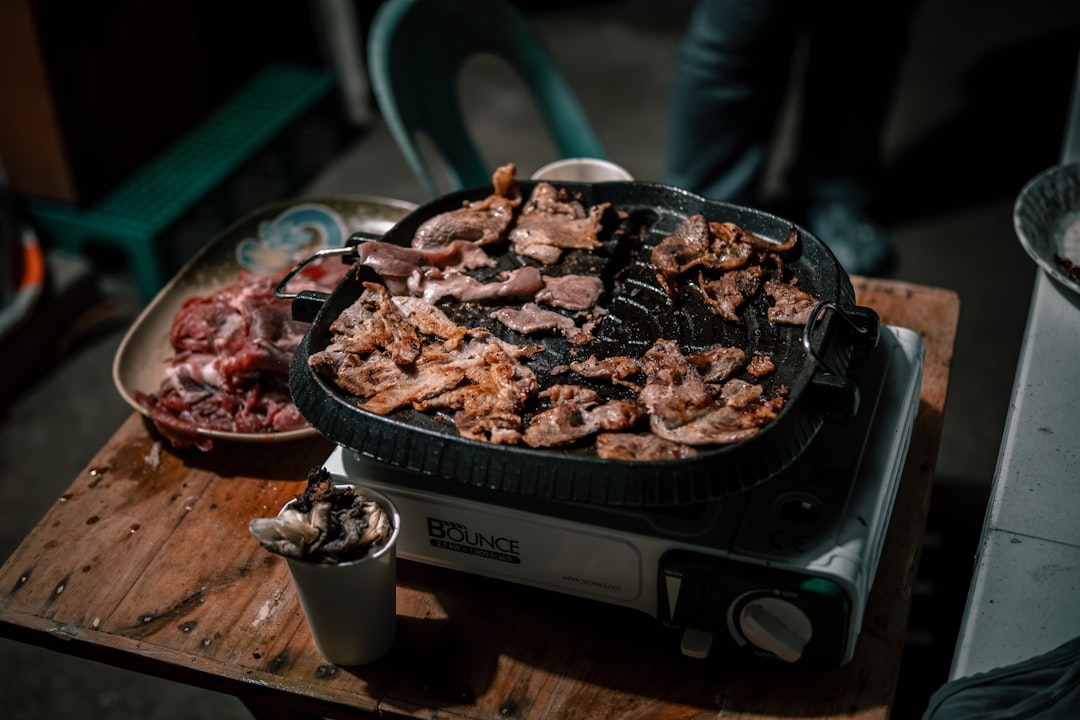
Korean grilled meat culture is more than just cooking meat; it is a sophisticated process designed to bring out the best flavor. The first element is heat control. Depending on the type of meat, the pan temperature and cooking time vary. Generally, for pork, the Maillard reaction—achieving a crispy exterior—is important, while for beef, the key is locking in the juices.

Choice of Grill and Temperature Management

  • Non-stick Pan: The easiest to use at home and suitable for beginners as the meat does not stick.
  • Cast Iron Skillet: Excellent heat conductivity, which helps sear the exterior quickly to preserve juices.
  • Wire Grill: Great for adding a smoky charcoal aroma, but be careful as dripping oil can cause flare-ups.

Cooking Strategy Based on Meat Thickness

For thick cuts like pork belly or pork neck, sear the outside over high heat first, then lower the heat to ensure the inside cooks evenly. Conversely, thin slices like shaved pork belly or beef brisket should be cooked quickly over high heat to prevent them from becoming tough. Minimize the number of times you flip the meat to prevent juice loss; the ideal time to flip is when blood begins to bead on the surface. Additionally, letting the meat rest for about a minute after grilling will make the texture much more tender.
Grilling Tools

SHOP THE LOOK: Grilling Tools

Perfect Side Dishes for Grilled Meat

In a Korean BBQ spread, side dishes are just as important as the meat itself. Various vegetables and fermented foods help neutralize the richness of the meat and enhance the overall satisfaction of the meal. In particular, green onion salad and pickled onions have become essential components that maximize the flavor of the meat.

Essential Side Dish List

  • Green Onion Salad (Pajeori): Green onions tossed in red chili powder, vinegar, and sesame oil make the perfect pairing to cut through the greasiness of the meat.
  • Pickled Perilla Leaves (Myeongi-namul): Their slightly bitter yet sweet taste pairs perfectly with meat, providing a clean finish.
  • Ssam Vegetables: Lettuce and perilla leaves provide vitamins and dietary fiber, offering a rich texture when wrapping your meat.

Types and Uses of Sauces

Sauces for dipping range from simple salt-based mixtures to ssamjang (thick soybean paste) and meljeot (anchovy sauce). A salt dip is best for enjoying the natural savory taste of the meat, while ssamjang pairs perfectly with garlic and chili peppers. Jeju-style meljeot is a fermented anchovy sauce that dramatically boosts the umami of pork. Feel free to choose sauces based on your preference, though it is recommended to enjoy the natural flavor of the meat first before adding sauces.

BBQ Sauces and Sides

SHOP THE LOOK: BBQ Sauces and Sides

Finishing Your Meal After Grilling

It is a traditional Korean habit to end a BBQ meal with a carbohydrate-based dish. These dishes cleanse the palate from the meat's oiliness and provide a satisfying finish. Soybean paste stew (doenjang-jjigae) and cold noodles (naengmyeon) are the most popular choices.

  • Soybean Paste Stew: A stew made with savory soybean paste, vegetables, and tofu perfectly balances the oily taste of the meat.
  • Cold Noodles (Mul-naengmyeon): The icy broth cools down your stomach after a hot grilling session and aids in digestion.
  • Fried Rice: Rice stir-fried on the grill with leftover meat, kimchi, and seaweed flakes is a delicacy that marks the perfect finale to a BBQ meal.

How to Finish Your Meal Healthily

When choosing your final dish, consider the pairing with the type of meat you ate. For example, slightly spicy kimchi stew or soybean paste stew goes well after pork, while a clean, refreshing cold noodle dish is preferred after beef. If you are concerned about excessive carbohydrate intake, adjust the portion of rice and ensure you eat plenty of fresh vegetables or ssam wraps for a healthy dining habit.

Frequently Asked Questions

How can I grill meat without burning it?+

To avoid burning meat, it is important to maintain a consistent temperature on the grill. Start with high heat to sear the exterior and lock in juices, then lower the heat to cook the inside slowly. Also, avoid flipping the meat too often; waiting until blood beads on the surface to flip it once is ideal.

What are recommended sauces that pair well with grilled meat?+

While it depends on personal preference, we recommend coarse salt or a sesame oil-salt dip as the basics. If you want to enjoy the natural flavor of the meat, use salt; for extra nuttiness, use the sesame oil dip. For a more unique experience, try meljeot (boiled anchovy sauce) or ssamjang to get the full Korean flavor profile.

Are there tips for reducing odors when grilling meat at home?+

To reduce odors, prioritize ventilation while cooking. Run your kitchen hood at maximum power and open windows to create airflow. Additionally, lining the pan with parchment paper or wiping away excess grease with paper towels as you cook can significantly reduce smoke and odor.

Share

Show us your style! Share with #kcultureworld on Instagram & TikTok.

About the author

김민중

Writes practical guides to Korean beauty and food for overseas readers — Olive Young, convenience stores, and how-to tips.

More from 김민중

Related Posts

How to Make Delicious Bibimbap and Understand Korean Traditional Food Culture

Food · 08/01/26

How to Make Delicious Bibimbap and Understand Korean Traditional Food Culture

Bibimbap is a representative traditional Korean dish, a healthy meal consisting of rice topped with various seasoned vegetables, meat, and gochujang. This guide covers the origins of Bibimbap, key steps for preparation, and regional variations to help you recreate authentic Korean flavors at home.

Comments

No sign-up or login required.

No comments yet. Be the first to comment.